ANDROID Vivo V70 Lite 4G Adds 8,100mAh Battery, Drops 5G for Unisoc Chip STEAM Phantom Blade Zero Pre-Orders Hit 300K, Chasing Black Myth: Wukong INTEL Asus CX9406 Googlebook Leak: Panther Lake CPU, 16GB RAM, $1,383 Price GAMES GTA 6 Leaked Footage Shows Driving and Strip Club Scenes CONSOLES The Duskbloods Switch 2 Input Lag Hits 200ms in Network Test PC HARDWARE Philips Evnia 27-inch 260Hz Monitor Launches for $190 GAMES GTA 6 Leaks Hit Rockstar Morale, Netflix Unfazed by Early Footage AMD AMD Desktop CPU Share Hits 34.9% in Q2 2026 as Intel Loses Ground GAMES WWE 2K26 Patch 1.15 Adds Finn Balor Theme and Fixes Match Bugs NVIDIA Modern Warfare 4 Beta Nerfs Frangible Rounds and Footsteps GAMES Modern Warfare 4 Beta Patch Tweaks TTK and Footstep Audio SOFTWARE AND UPDATES Twitch Faces Class Action Lawsuit Over Unlicensed AI Training INTEL Lenovo ThinkPad L14 Gen 7 Launches with Wi-Fi 7 and Core Ultra 3 for $1,109 STEAM Settler’s Domain Launches on Steam With Native ARM Support

Google Negotiates 1.4nm and 2nm Process Split for Icefish AI Chip

Lena Fischer 1 min read

Google is negotiating a dual- foundry strategy for its Icefish TPU, assigning the compute die to TSMC on 1.4nm and the memory I/O die to Samsung on 2nm.

Google Icefish TPU chip architecture diagram showing manufacturing split
PC HARDWARE

Google is negotiating a manufacturing split for its next-generation AI processor. The company plans to divide production between TSMC and Samsung. This arrangement targets the release of the tenth-generation Tensor Processing Unit, codenamed Icefish.

Google splits manufacturing between TSMC and Samsung for the tenth-generation Tensor Processing Unit.

The Icefish architecture relies on two distinct semiconductor nodes. TSMC will manufacture the main compute die using a 1.4nm process technology. Samsung would handle the separate memory I/O die using its advanced 2nm node.
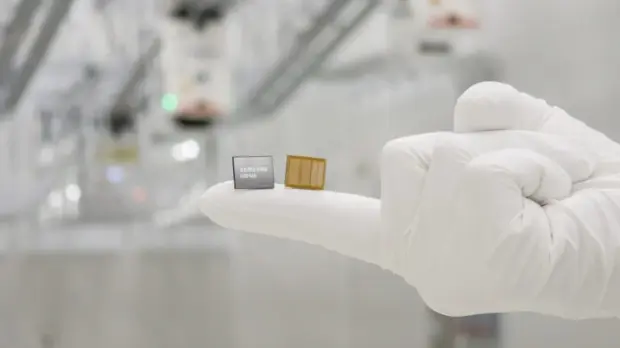
Google Icefish TPU chip architecture diagram showing manufacturing split

This dual-foundry strategy leverages specific capabilities at each manufacturer. Samsung possesses integrated high-bandwidth memory and packaging resources that influenced Google's decision. The deal complements ongoing discussions between Google and Intel for other production needs.

Mass production for the Icefish chip is potentially scheduled to begin in 2028. Google co-develops the architecture with MediaTek. Reports indicate these manufacturing talks are active but remain unconfirmed by either company.

Source: TweakTown