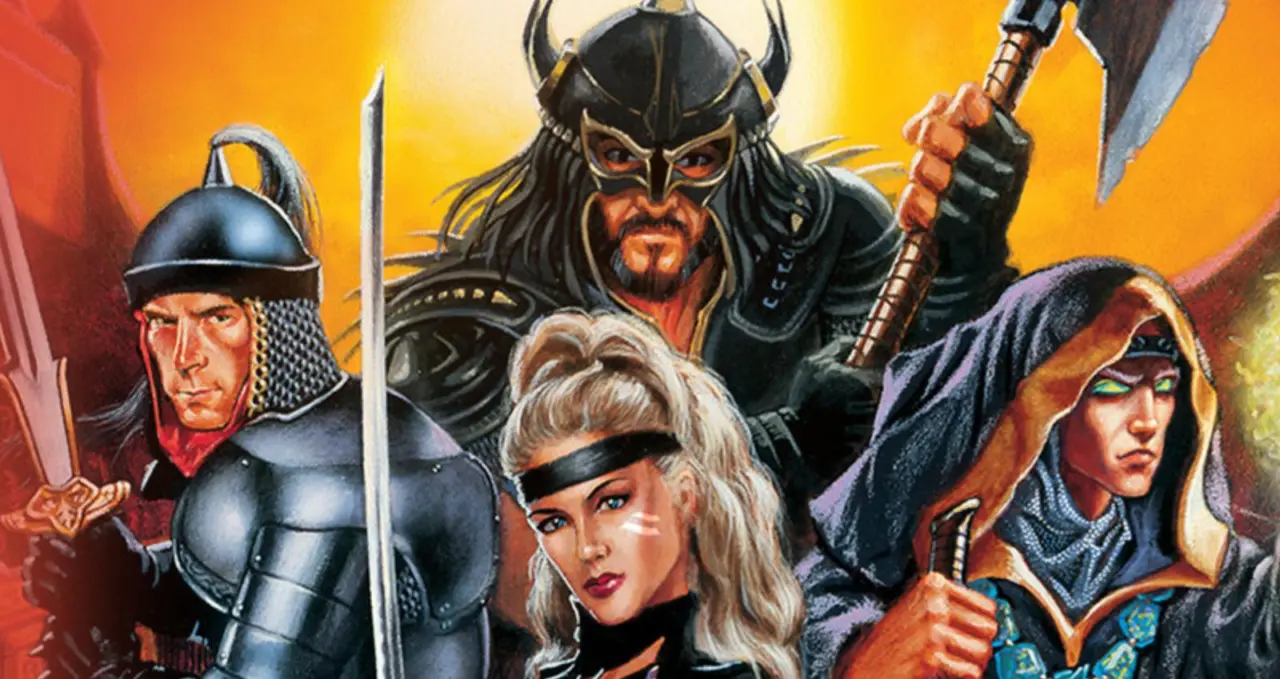
The Elder Scrolls franchise nearly collapsed before it truly began, a reality that reshaped how we view its legacy today. Ted Peterson, a creator of the original title, revealed that poor initial sales and a chaotic launch almost ended the series in its infancy. This historical context matters because it highlights the role of word-of-mouth in sustaining a gaming property that would eventually become a billion-dollar empire. Without that early struggle, the franchise might not have evolved into the cultural touchstone it is now.
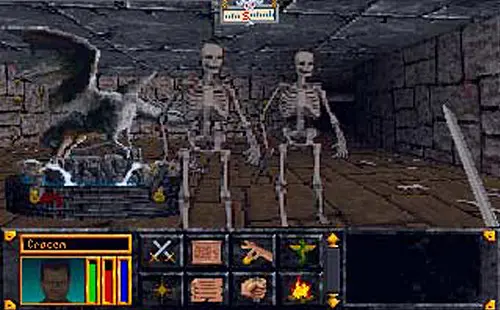
Creator Ted Peterson reveals how poor sales and a chaotic launch nearly ended the franchise before it began.
Bethesda Softworks released The Elder Scrolls: Arena as the debut entry in the series, but the launch was far from smooth. The company postponed the game's release after retail stores had already pre-ordered copies, a move that disrupted initial distribution. Following this delay, many stores canceled their orders, leaving Bethesda with a product that had lost its initial retail momentum. This logistical failure meant the game had to rely on organic growth rather than a strong initial market presence.
The early sales performance of The Elder Scrolls: Arena was so weak that it sold fewer copies than The Terminator 2029 expansion in its first days. This comparison underscores the difficult start the franchise faced, as a downloadable content pack for a different title outperformed the main game. Despite this catastrophic launch, word of mouth eventually worked, allowing people to start playing and enjoying the game. This organic spread was crucial in building an audience that would sustain the series for decades.
Ted Peterson described the early period as a catastrophe, yet he noted that it was what started a billion-dollar franchise. This retrospective view connects the humble, troubled beginnings of Arena to the massive success of later titles. Bethesda is currently developing The Elder Scrolls VI, which has no specific release date, continuing the lineage that began with those early struggles. The story of Arena serves as a reminder that even the most successful franchises can start with significant setbacks and uncertainty.
The history of The Elder Scrolls: Arena is defined by a delayed launch, canceled orders, and weak initial sales that were overcome by player enthusiasm. Ted Peterson's account confirms that word of mouth was the primary driver for the game's eventual success. This narrative provides a clear origin story for a franchise that now stands as one of the most enduring in gaming. The early challenges faced by Bethesda Softworks ultimately contributed to the unique resilience and dedicated community that the series enjoys today.
Source: IXBT
Discussion
0 comments