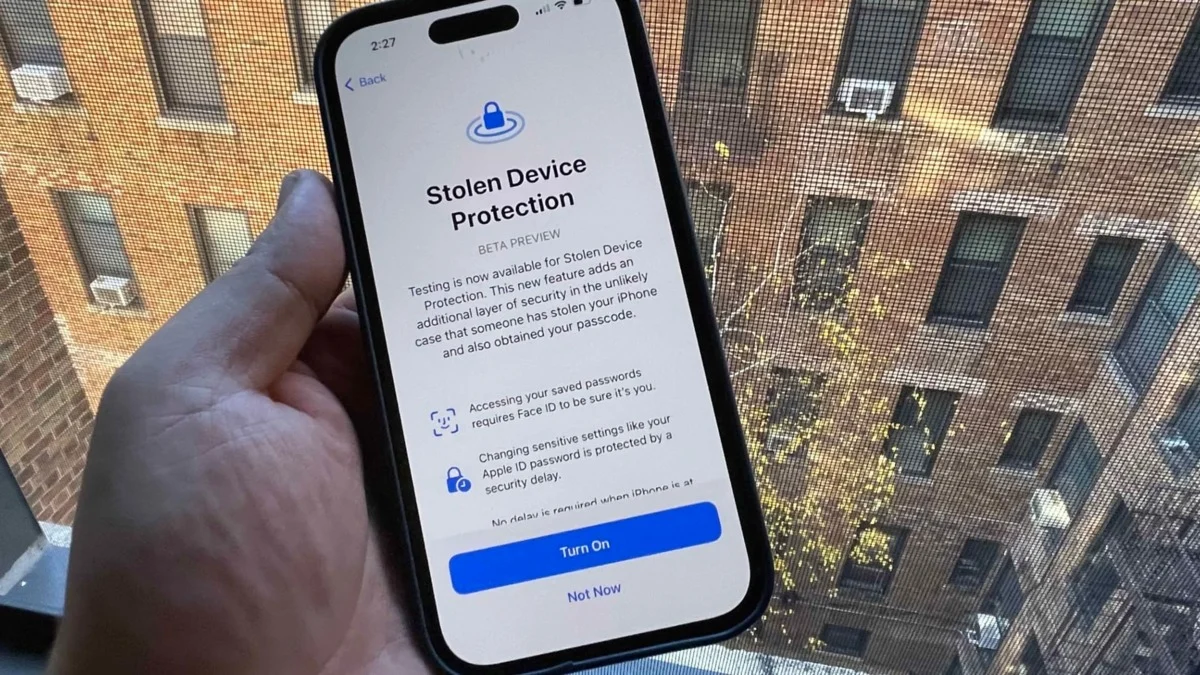
Apple is quietly testing a new anti-theft mechanism in the latest iOS beta that could change how iPhones respond to snatching incidents. The feature, known internally as AutoLock, aims to automatically secure the device the moment it detects a theft in progress. This development matters because it shifts the burden of recovery from manual user action to automated system detection, potentially reducing the window of opportunity for thieves.
Internal beta code reveals automated theft detection logic
AutoLock is currently embedded in iOS 27.2 beta 2 and remains disabled for end users. The code is active only in the background, allowing Apple to refine the detection logic without impacting daily operations. This internal testing phase suggests Apple is validating the reliability of the sensors and connectivity checks before enabling the feature for the general public.
The detection logic relies on a combination of motion sensors and connectivity status to identify a snatching event. The system monitors for sharp acceleration, a sudden loss of connection to a paired Apple Watch, and network interruptions. It also applies time thresholds to ensure the device is not locked during normal, albeit fast, movement.
Several veto conditions prevent false positives from locking the phone during legitimate use. The system allows the lock to be bypassed if the user successfully authenticates via biometrics, if high-priority apps are running in the foreground, or if the device remains in a familiar location. If the theft is confirmed, Stolen Device Protection activates, imposing mandatory delays on high-risk account changes.
Source: TweakTown


Discussion
0 comments