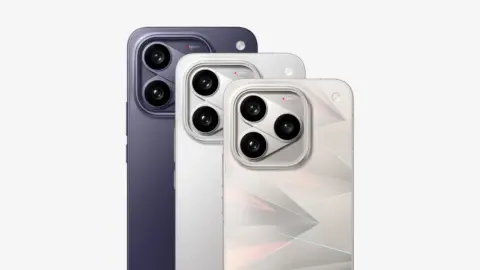
A new memory technology called LLW, or Low Latency Wide DRAM, may replace current standards in next-generation AI smartphones. Industry leaks suggest this format offers significantly higher bandwidth and lower latency than existing LPDDR solutions. The technology aims to solve the thermal and space constraints associated with high-performance memory designs.
New memory format promises 50% power reduction and 10x bandwidth gains
LLW functions as a direct alternative to High Bandwidth Memory (HBM) for mobile devices. While HBM provides excellent performance, its stacked design creates packaging complexities and heat issues that are difficult to manage in slim phones. LLW seeks to deliver similar speed advantages without these physical limitations, making it more suitable for consumer electronics.
LLW Memory Specifications
- Memory Type: Low Latency Wide DRAM
- Performance: 1.5x improvement over LPDDR
- Power Consumption: 50% reduction
- Bandwidth: 10 to 15x faster than LPDDR
Leaked specifications indicate that LLW could reduce power consumption by approximately 50 percent. The same reports claim a performance improvement of roughly 1.5 times compared to current best-in-class LPDDR memory. Additionally, the technology is expected to be 10 to 15 times faster than existing LPDDR standards, offering a substantial boost for AI workloads.
Major smartphone manufacturers like Xiaomi and Huawei are rumored to be potential early adopters of this technology. Neither company has publicly confirmed their involvement or interest in LLW as of now. The information regarding these partnerships comes from industry bloggers and tipsters rather than official corporate announcements.
Widespread deployment of LLW memory is not expected until the second half of 2027. This timeline reflects the long development cycle required for new memory formats to reach market readiness. The technology remains unconfirmed by official manufacturers and relies entirely on current industry reports.
Source: GIZMOCHINA