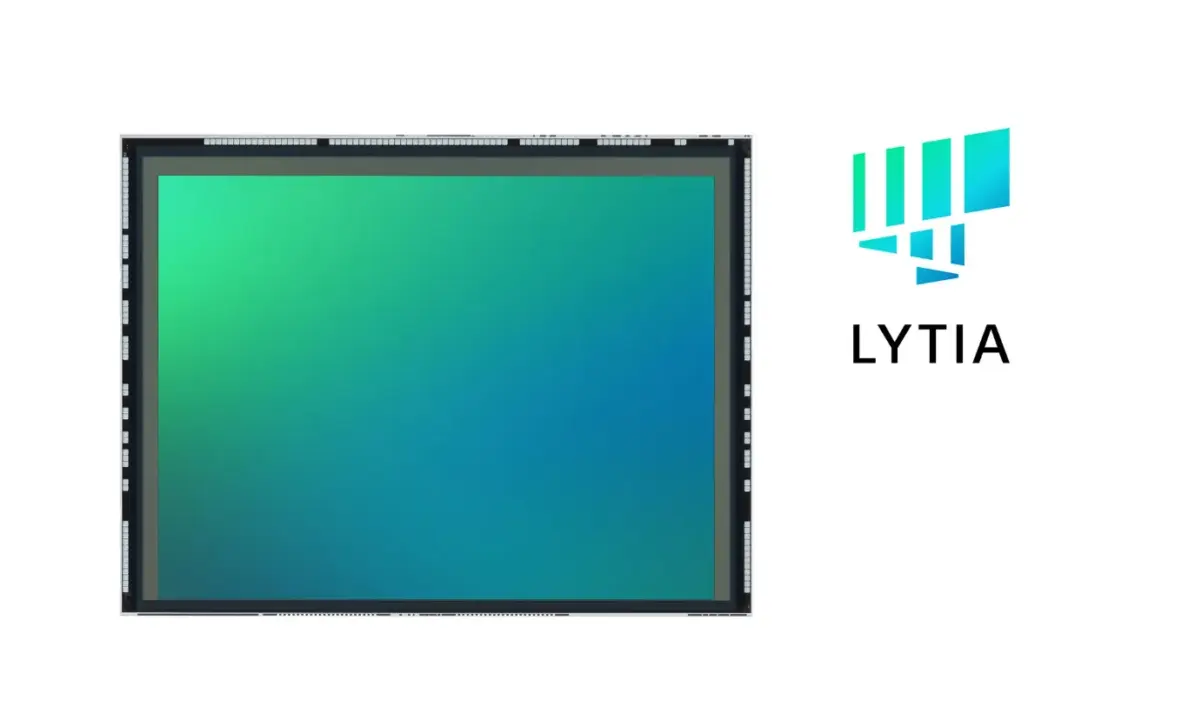
Sony has introduced the LYTIA L910, its first mobile image sensor built around a LOFIC architecture. The new design aims to significantly improve dynamic range in smartphone cameras, addressing a key limitation of smaller sensors.
New architecture boosts dynamic range
The LYTIA L910 is a 1/1.28-inch stacked CMOS sensor with 50 effective megapixels and a pixel size of 1.22µm. It uses Triple Conversion Gain HDR to achieve a dynamic range of up to 100 dB from a single exposure.
Specifications
- Sensor size: 1/1.28-inch
- Resolution: 50 effective megapixels
- Pixel size: 1.22µm
- Dynamic range: 100 dB
- Video recording: 4K HDR at 60fps
An Ultra High Conversion Gain circuit reduces random noise by roughly 30 percent compared to the LYTIA 828 sensor. This allows the sensor to capture cleaner images in low-light conditions.
The sensor supports 4K HDR video recording at 60fps. It can shoot full-resolution 50-megapixel images at up to 30fps and 12.5-megapixel images at up to 120fps.
Mass production shipments are scheduled to begin in summer 2026. The sensor is expected to appear first in the Vivo X500 and Oppo Find X10, according to reports.
Source: GIZMOCHINA