PLAYSTATION 5 Mafia III: Definitive Edition launches on PS5 and Xbox Series with native 60 FPS support PC HARDWARE Ubiquiti launches IP67 WiFi 7 outdoor AP and fanless DIN-rail switches starting at $307 GAMES Way of the Hunter 2 Update 1.2 Adds 50% Item Sell-Back and Fixes Aim Assist GAMES Paramount Pictures develops live-action Cyberpunk 2077 film with CD Projekt Red PHONES Galaxy S27 and S27 Plus rumored to keep $899 and $1,099 starting prices GAMES The Weeknd Photos Stellar Blade: Blood Rain Main Menu, Confirming Full Build State GAMES ARC Raiders players can now unlock the Emperor location via a new blueprint method PLAYSTATION 5 Marvel’s Wolverine sells 2.16 million copies on PS5, with 51% of European launch sales going physical STEAM HITMAN: World of Assassination regains Steam Deck Verified status after downgrade GAMES Crossy Road Rush launches November 5 on Apple Arcade with 50-level adventure mode GAMES Rockstar Reveals GTA 6 Radio Stations Including Flash FM and Dirty South Classics PLAYSTATION 5 Grand Theft Auto VI adds on-demand podcasts and six new radio stations ahead of November launch PLAYSTATION 5 Two Point Museum adds free Little Kitty, Big City Digiverse Rift to all platforms GAMES GTA 6 Adds On-Demand Podcasts, First in Franchise History

Google Negotiates 1.4nm and 2nm Process Split for Icefish AI Chip

Lena Fischer 1 min read

Google is negotiating a dual- foundry strategy for its Icefish TPU, assigning the compute die to TSMC on 1.4nm and the memory I/O die to Samsung on 2nm.

Google Icefish TPU chip architecture diagram showing manufacturing split
PC HARDWARE

Google is negotiating a manufacturing split for its next-generation AI processor. The company plans to divide production between TSMC and Samsung. This arrangement targets the release of the tenth-generation Tensor Processing Unit, codenamed Icefish.

Google splits manufacturing between TSMC and Samsung for the tenth-generation Tensor Processing Unit.

The Icefish architecture relies on two distinct semiconductor nodes. TSMC will manufacture the main compute die using a 1.4nm process technology. Samsung would handle the separate memory I/O die using its advanced 2nm node.
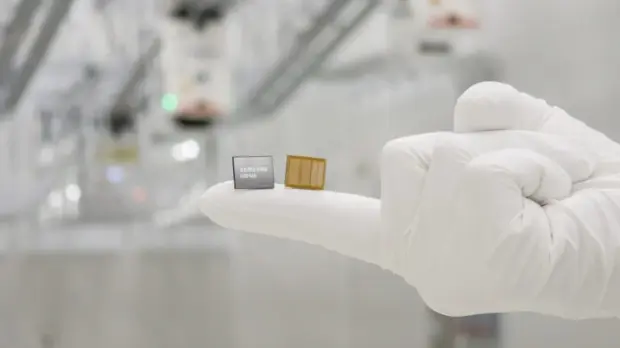
Google Icefish TPU chip architecture diagram showing manufacturing split

This dual-foundry strategy leverages specific capabilities at each manufacturer. Samsung possesses integrated high-bandwidth memory and packaging resources that influenced Google's decision. The deal complements ongoing discussions between Google and Intel for other production needs.

Mass production for the Icefish chip is potentially scheduled to begin in 2028. Google co-develops the architecture with MediaTek. Reports indicate these manufacturing talks are active but remain unconfirmed by either company.

Source: TweakTown