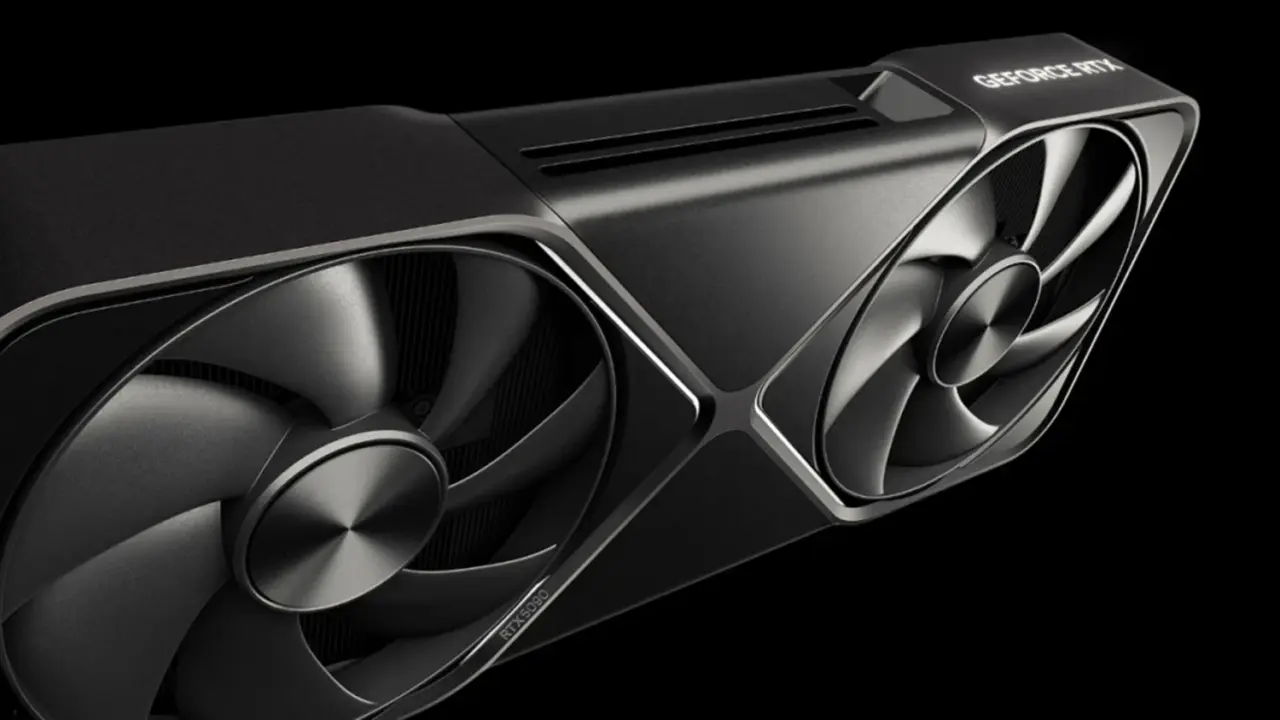
HWiNFO64 beta 8.55 adds a new telemetry feature that helps GPU owners understand the power efficiency of their hardware. This update is relevant because silicon quality varies between individual chips, and understanding where a card falls on that spectrum helps users set realistic performance expectations. The new tool gives users a clearer picture of how their specific GPU operates under standard conditions.
New telemetry feature tracks silicon quality and power efficiency for NVIDIA GPUs
The update introduces support for an ASIC quality metric derived from Nvidia's SPEEDO measurement system. This feature allows the software to read silicon quality data from newer Nvidia graphics cards. Users can now view this specific data point in their hardware monitoring dashboard alongside other standard metrics.
SPEEDO calculates silicon quality by analyzing how a GPU handles voltage and frequency behavior. The system compares chips by checking if one can run at a higher frequency at a specific voltage point than another. Chips that achieve higher frequencies at those voltage levels receive a higher quality score from the metric.
The documentation clarifies that SPEEDO is designed to show power efficiency at stock frequencies only. It is not a reliable indicator for potential overclocking headroom. In fact, high SPEEDO scores may indicate that a chip is already boosting closer to its silicon limits. This suggests that cards with the highest efficiency scores might actually have less room for manual overclocking.
We covered the last HWiNFO64 update, which added per-chip VRAM temperature monitoring for both AMD and Nvidia GPUs. That previous release focused on thermal tracking, while this new beta version shifts attention to power efficiency and silicon quality. The software continues to expand its telemetry capabilities with each release.
Source: TweakTown



Discussion
0 comments