
Buyers of next-generation consoles may anticipate a substantial increase in raw processing power as the current generation concludes. Leaked specifications indicate that Sony and Microsoft are aiming for hardware with significantly higher compute performance than current models. This development is significant because higher theoretical throughput generally allows for more complex graphics and faster load times.
Leaked compute figures suggest Microsoft's hybrid console will lead Sony's next machine
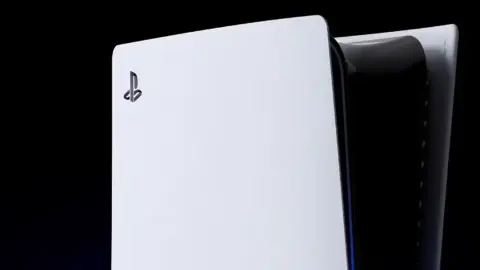
The rumors center on two distinct hardware platforms: the PlayStation 6, also known as Project Helix, and a competing device from Microsoft. According to an unverified leaker, the PlayStation 6 will utilize an Orion APU. The Microsoft device, referred to as Project Helix, is said to use a different chip called the Magnus APU.
- PS6 Compute Power: 40 TFLOPS
- Project Helix Compute Power: 56 TFLOPS
- PS6 APU: Orion APU
- Project Helix APU: Magnus APU
- APU Manufacturer: AMD
Both the Orion and Magnus chips are developed by AMD. The leaked data indicates that the PS6 Orion APU will deliver 40 TFLOPS of compute power. In comparison, the Project Helix Magnus APU is reported to provide 56 TFLOPS. These numbers reflect the raw floating-point performance capabilities of the respective graphics cores.
The leaker claims that both chips have reportedly passed the tape-out stage of development. This manufacturing milestone typically occurs before final production and eventual market release. The source suggests that both consoles could launch in 2027, with a November release window being likely.
Project Helix is described as taking a hybrid approach that blends PC and console elements, distinguishing it from the traditional PlayStation 6 model. We have been tracking PlayStation 6, Project Helix closely — see our earlier coverage on PS6 to Outsell Project Helix 2.5x. This context underscores the competitive market dynamics surrounding these upcoming platforms.
All reported specifications remain unconfirmed and rely on a single anonymous source. The 2027 launch date is speculative and based on the reported development timeline. Consumers should regard these TFLOPS figures and chip names as unverified rumors until official announcements are made.
Source: NotebookCheck


Discussion
0 comments