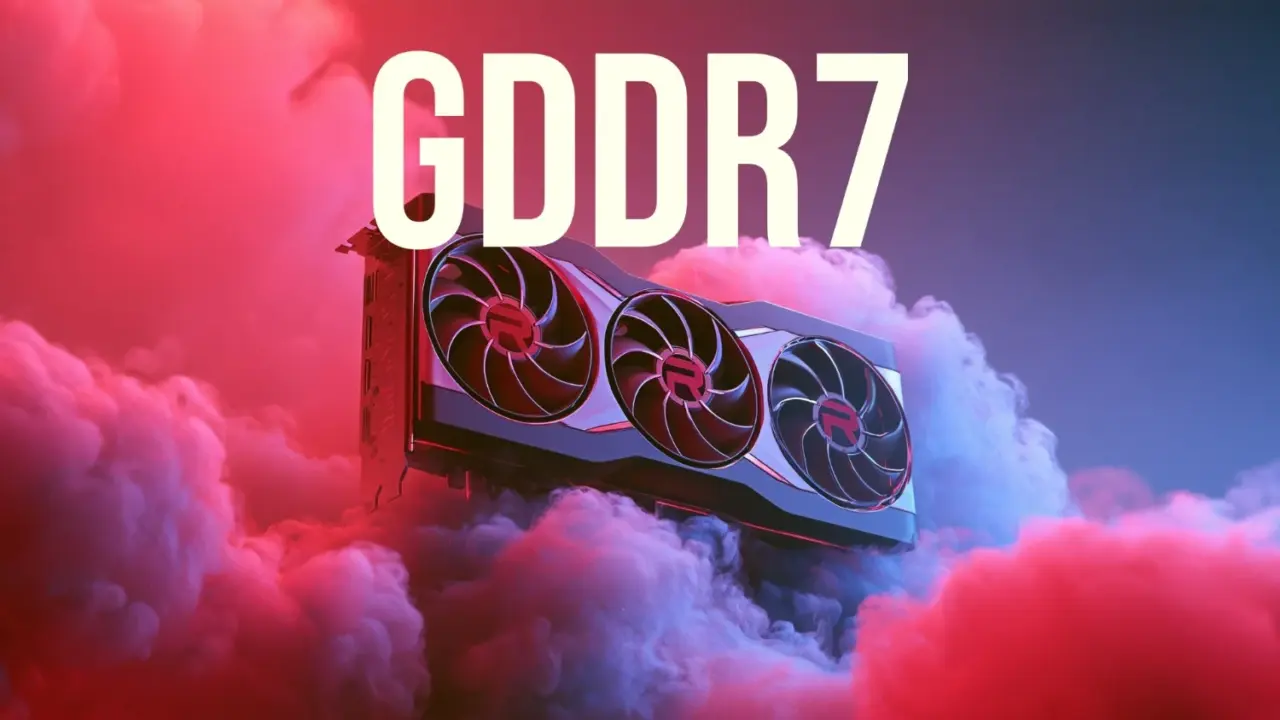
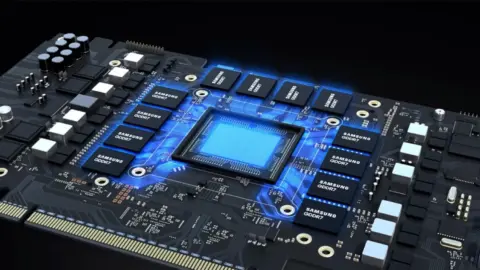
AMD updated its open-source Linux graphics drivers to include support for GDDR7 memory, a move that signals the company is preparing for the next generation of Radeon hardware. This change matters because it confirms the memory standard shift that RDNA 5 GPUs will require, giving PC builders and Linux users a clear indicator of upcoming performance benchmarks. We can now expect higher memory bandwidth in future gaming rigs, which directly impacts frame rates in memory-intensive titles.
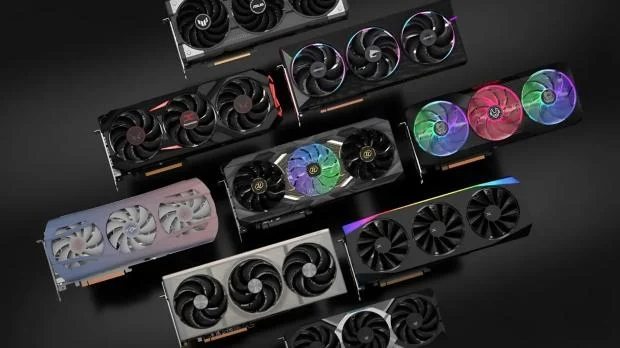
New driver update prepares software stack for next-gen memory speeds
The driver update introduces an RDNA 5 update for the Display Core Next (DCN) display engine, aligning the software stack with the next architectural generation. This technical adjustment ensures that the display pipeline is ready to handle the higher data throughput that GDDR7 memory will provide. It marks a necessary step in the software development cycle before the actual hardware launches.
- Memory Technology: GDDR7
- Memory Speed: 36 Gb/s (up to 48 Gb/s future)
- Bandwidth Increase: 640 GB/s to 1,152 GB/s (for 16GB config)
- Display Engine: RDNA 5 DCN
Current RDNA 4 GPUs, part of the RX 9000 Series, use GDDR6 memory which tops out at 20 Gb/s. The new driver support points to a switch to GDDR7, which raises that speed to 36 Gb/s with the possibility of up to 48 Gb/s in the future. For a 16GB configuration, this increase raises memory bandwidth from 640 GB/s to 1,152 GB/s for the Radeon RX 9070 XT. These numbers represent a significant jump in data transfer capabilities compared to the current generation.
Rumors suggest that RDNA 5 will launch a single mid-range desktop PC gaming GPU in 2027. This timeline indicates that the full rollout of GDDR7 and the new display engine will not be immediate. We looked at the last Radeon Graphics Drivers update earlier while tracking these architectural changes, noting that balance and stability themes often accompany such foundational updates.
AMD has confirmed the driver changes that pave the way for RDNA 5 hardware. The inclusion of GDDR7 support and the DCN engine update provides a concrete foundation for future performance claims. Buyers should monitor these driver updates as they signal the readiness of the software ecosystem for new hardware releases.
Source: TweakTown
Discussion
0 comments