NVIDIA is releasing a major graphics update for 007 First Light on September 15, bringing path tracing to the title. This change matters because it shifts the game from standard rasterization to a more demanding rendering method that requires significant GPU power. Players with high-end hardware can now experience ray-traced lighting, while those with older cards may need to rely on upscaling technologies to maintain frame rates.
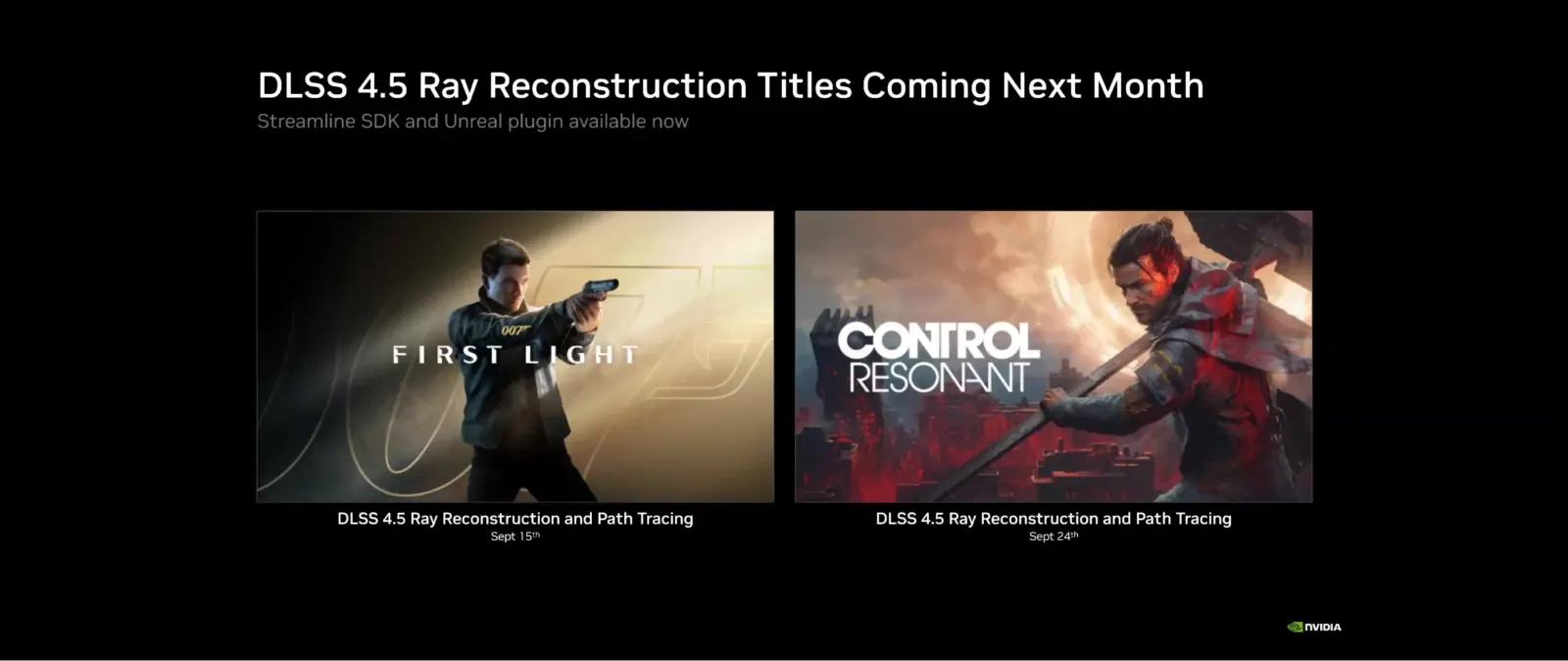
Patch brings path tracing and DLSS 4.5 to the Glacier Engine title
The update introduces NVIDIA DLSS 4.5 Ray Reconstruction to enhance the visual fidelity of the path-traced scenes. 007 First Light runs on the Glacier Engine, which handles the complex lighting calculations required for this feature. The patch is available globally on September 15, allowing players to access the new graphics options immediately upon release.
- Path Tracing Support: Enabled via patch on September 15
- DLSS Version: DLSS 4.5 Ray Reconstruction
- Engine: Glacier Engine
- AMD FSR Frame Gen Support: Not currently supported
- Intel XeSS 2.0 Support: Not currently supported
NVIDIA claims that the RTX 5090 provides a smooth 4K gaming experience without needing an upscaler for this content. This performance benchmark suggests that the base hardware can handle the increased load of path tracing at high resolutions. The update does not currently support AMD FSR Frame Gen or Intel XeSS 2.0, limiting options for non-NVIDIA users who want frame generation.
The release also includes per-game reBAR control in the NVIDIA App, giving users more granular management over their system settings. We looked at the last 007 First Light update while tracking similar stability improvements, and this patch continues that trend of refining the game's technical foundation. The update confirms NVIDIA's commitment to supporting the title with advanced rendering techniques as new hardware becomes available.