Apple is updating its entry-level desktop line with a significant internal overhaul that matters for buyers waiting for better efficiency. The company plans to release a new 24-inch iMac powered by its upcoming M6 processor before the end of 2026. This refresh replaces the current M4 model and signals a direct jump in silicon generation for the standard all-in-one. Users looking for a compact machine with improved power management should note this timeline.
Apple refreshes 24-inch desktop with M6 silicon and new colors
The M6 chip marks a major shift in manufacturing technology for Apple's Mac lineup. It is the first Mac processor built on a 2-nanometer manufacturing process. This architectural change aims to deliver notable improvements in both performance and power efficiency according to Bloomberg's Mark Gurman. The design retains the familiar 24-inch form factor without introducing physical changes to the chassis.
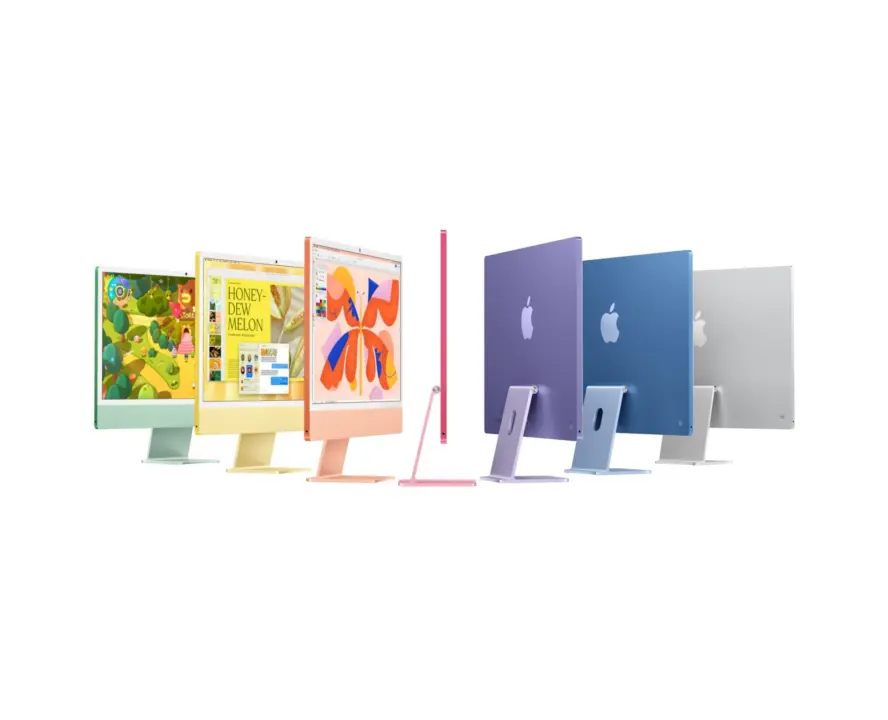
Apple appears to be skipping the M5 generation for the standard iMac, similar to how it bypassed the M2 chip in previous cycles. The current iMac is available in seven colors: green, yellow, orange, pink, purple, blue, and silver. The refreshed model will introduce new color options to the lineup, though Gurman confirmed that he did not specify the exact shades. This suggests a visual update to accompany the internal hardware changes.
While the iMac receives a chip upgrade, a substantial display upgrade to OLED technology is reportedly still several years away from reaching consumers. The physical design and display size will remain identical to the current M4 model. We looked at Apple cancels M6 Pro and Max in our earlier Apple coverage. This confirms that the M6 iMac will rely on the existing panel technology for now.
The M6 iMac is scheduled to launch globally before the end of 2026. No specific pricing details have been released for this upcoming model. Buyers should expect a direct replacement for the current M4-based units with the new silicon and color options. The focus remains on efficiency gains rather than display or chassis innovations.
Source: NotebookCheck