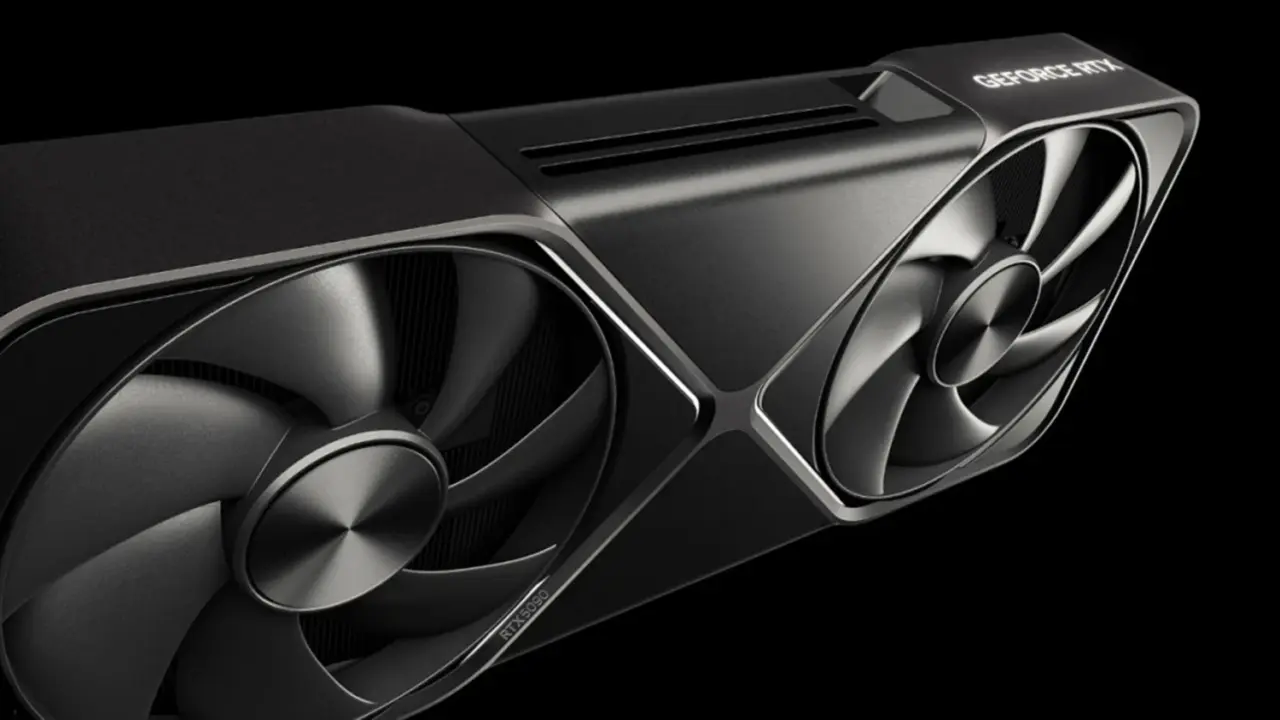
A new third-party tool named melonVolt gives users the ability to overclock the internal interconnect of NVIDIA RTX 5090 graphics cards. This modification matters because it allows the GPU to maintain higher clock speeds with less voltage, potentially improving efficiency or performance in specific workloads. Buyers who tinker with hardware can now access a feature that NVIDIA itself does not officially support for consumer devices.

Third-party utility adjusts MSVDD voltage to boost internal interconnect speeds
The melonVolt utility works by adjusting the MSVDD voltage offset on the GPU. This voltage change directly controls the crossbar frequency, which is the internal pathway that handles data transfer between the GPU's cores. The tool is currently available only for the RTX 5090 and the RTX 5080 models.
Early reports from users on overclock.net show significant gains in crossbar frequency. The lowest observed increase was 90MHz, pushing the clock from 2670MHz to 2760MHz. The highest gain reached 142MHz, moving the frequency from 2625MHz to 2767MHz on a single sample.
One user reported that their RTX 5090 outperformed a top-ranked Hall of Fame card in the 3DMark Steel Nomad benchmark. This result was achieved while operating at a 120MHz lower GPU and memory clock compared to the top result. The performance boost comes specifically from the increased crossbar bandwidth rather than higher core clocks.
We looked at the last RTX 5090 update earlier while tracking stability issues, and these new overclocking capabilities add another layer to the card's modification landscape. The tool is a technical experiment rather than a certified product, and NVIDIA does not officially allow this type of voltage manipulation. Users should be aware that modifying MSVDD carries a risk of hardware damage.
The effectiveness of this overclocking method remains unclear due to a lack of comprehensive benchmarking data. Standard benchmarks like 3DMark do not display the crossbar frequency, making it difficult to isolate the exact impact of the change. The tool provides a new avenue for enthusiasts, but the practical benefits for general gaming are not yet fully understood.
Source: TweakTown