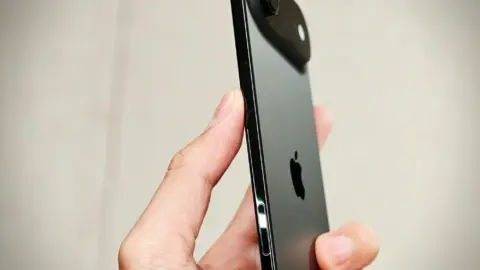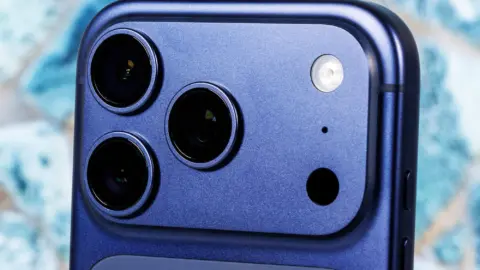
Apple plans to change how the iPhone 18 series launches by splitting the release schedule. This shift means buyers looking for the standard iPhone 18 will wait until spring 2027 instead of getting it alongside the Pro models in September. Separating the release schedule clarifies the difference between standard and premium models, though it requires users to wait longer for the base version.
Apple splits release schedule, boosts memory, and shrinks the punch hole
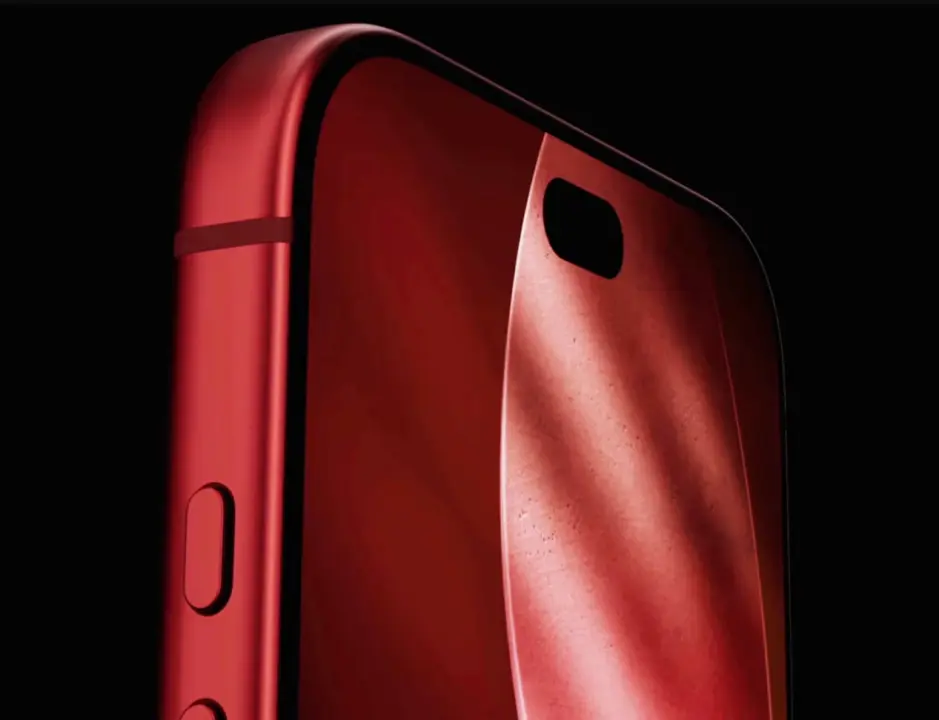
The iPhone 18 base model will feature a redesigned Dynamic Island that Apple expects to make about one-third smaller. This change involves embedding the infrared projector under the AMOLED panel to reduce the punch-hole size. The smaller opening allows the device to display more background activity while keeping the front-facing camera and infrared sensor for 3D facial recognition inside the pill-shaped cutout.
iPhone 18 Key Specs
- RAM: 9 GB
- RAM: 12 GB
- Dynamic Island: Redesigned, smaller pill-shaped punch hole
- Front Camera Array: Front-facing camera and infrared camera for 3D facial recognition only
Reports indicate that the iPhone 18 lineup is expected to feature increased RAM compared to previous generations. The iPhone 18e is expected to receive 9 GB of RAM, while the standard iPhone 18 and iPhone 18 Pro models will get 12 GB. The additional memory is expected to support on-device AI features and multitasking capabilities.
We have been tracking iPhone 18 closely — see our earlier coverage on Apple iPhone 18 Launch at Risk. The split launch strategy remains unconfirmed by Apple, but reports from analyst Jeff Pu via 9to5Mac suggest this timing is likely. The base model will not be unveiled alongside the Pro models, but rather in the spring of 2027.
The iPhone 18 series will introduce a smaller Dynamic Island and higher RAM configurations for all models. The base model launch is expected to occur in spring 2027, separate from the Pro lineup. The redesigned Dynamic Island is expected to provide more display area and enhance multitasking performance.

Source: NotebookCheck