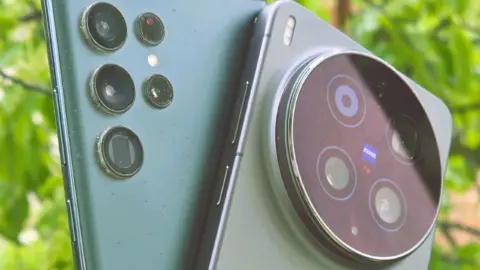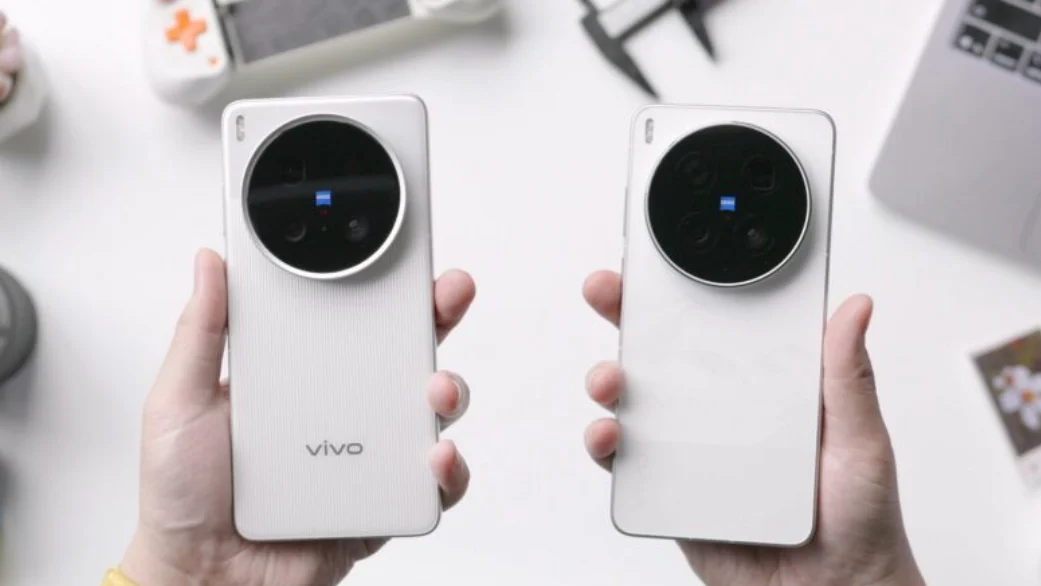
The 2026 smartphone camera lineup is shifting toward extreme resolution, with Samsung, Vivo, and Oppo all deploying 200MP sensors as the new standard for flagship imaging. This trend matters because higher pixel counts allow for significant digital cropping while retaining detail, effectively replacing the need for multiple dedicated telephoto lenses in many scenarios. Buyers who prioritize zoom flexibility and low-light performance now have access to hardware that fundamentally changes how mobile photography works.
Flagship devices from Samsung, Vivo, and Oppo deploy 200MP sensors to replace dedicated telephoto lenses
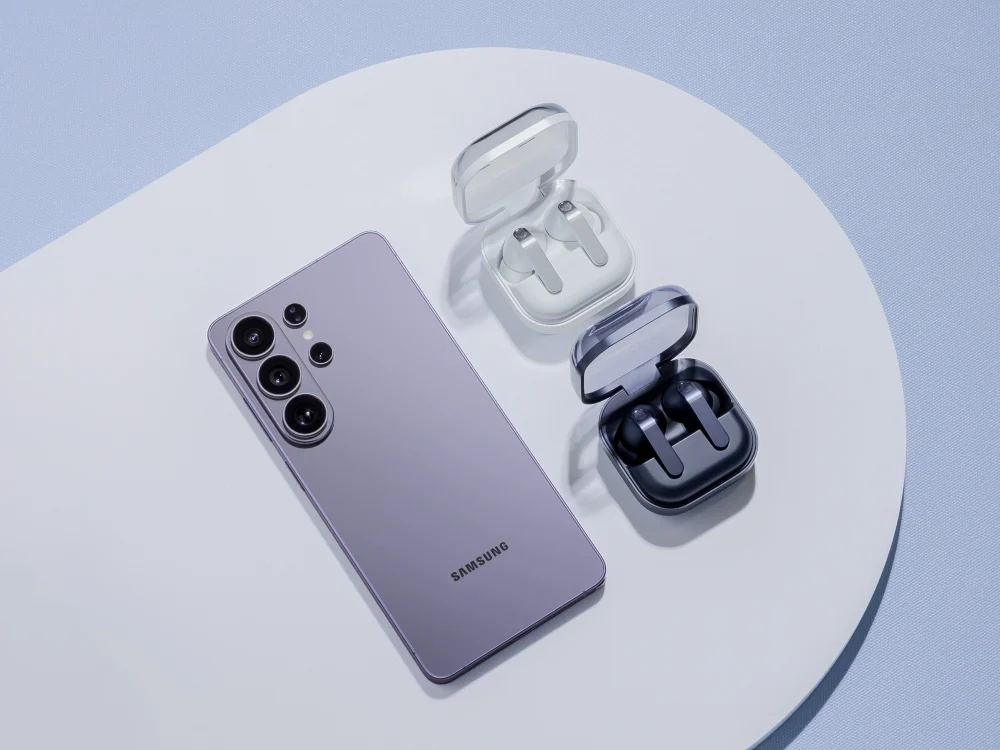
Samsung leads this charge with the Galaxy S26 Ultra, which pairs a large f/1.4 aperture with its ISOCELL HP2 main sensor to capture more light per pixel. The device bins these 200MP files down to 12.5MP or 50MP for everyday shots, balancing resolution with file size and processing speed. This method enables the device to preserve high detail when necessary while avoiding excessive processing load during typical operation.
Spec comparison
| Spec | Samsung Galaxy S26 Ultra | Vivo X300 Pro | Vivo X300 Ultra | Oppo Find X9 Ultra |
|---|---|---|---|---|
| Main Sensor | ISOCELL HP2 200MP | Sony 50MP | Sony LYTIA 901 200MP | 200MP |
| Telephoto Sensor | 50MP (5x zoom) | ISOCELL HPB 200MP | Samsung HP0 200MP | 200MP (3x zoom) |
| Aperture | f/1.4 | N/A | N/A | f/1.5 |
| Stabilization | N/A | N/A | CIPA 7.0 | N/A |
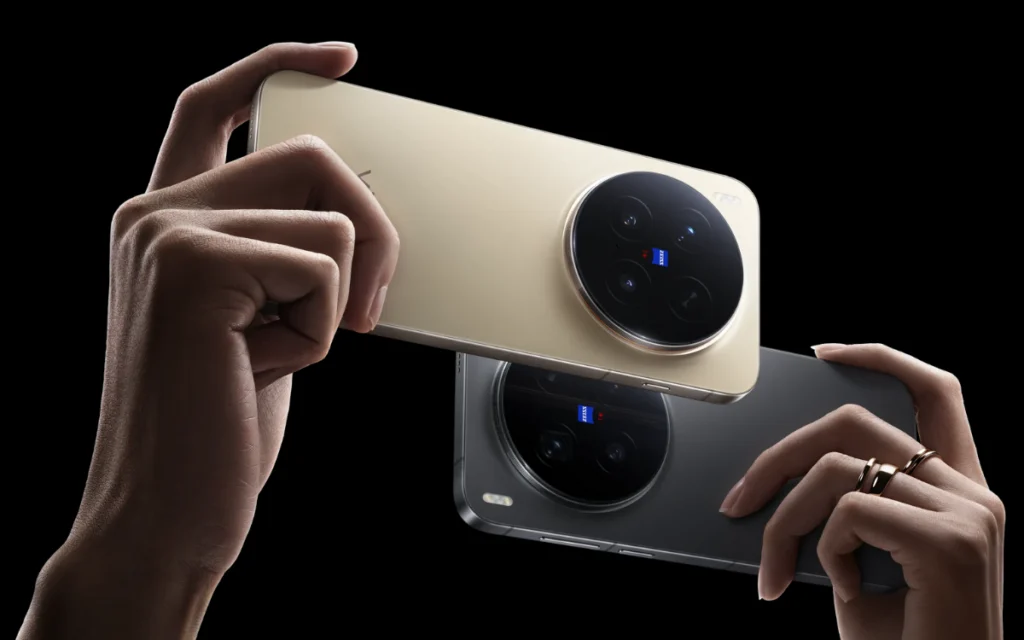
Vivo takes a different path by focusing on telephoto resolution and stabilization across its X300 series. The X300 Pro places a 200MP Samsung ISOCELL HPB sensor on its 85mm periscope lens, enabling sharp long-range shots that hold up even after 3.5x digital cropping. Meanwhile, the X300 Ultra upgrades its main camera to a Sony LYTIA 901 200MP sensor and adds CIPA 7.0 stabilization to its telephoto unit, ensuring stability at extreme focal lengths.
Oppo rounds out the competition with the Find X9 series, which emphasizes versatility and specialized tuning. The Find X9 Pro features a 200MP telephoto lens with Hasselblad tuning and the ability to focus as close as 10cm for macro photography. The flagship Find X9 Ultra stacks this setup with a dual 200MP configuration, adding a 50MP ultrawide and a separate 50MP telephoto for 10x optical zoom, creating one of the most complex camera arrays in the segment.
These devices confirm that 200MP is no longer a niche feature but a core component of high-end smartphone design. Manufacturers are using this resolution to extend zoom ranges, improve low-light capture, and reduce reliance on optical hardware for every focal length. The result is a generation of phones that offer greater flexibility for photographers willing to leverage digital processing.
Source: GIZMOCHINA