Microsoft is quietly testing a new layer of backward compatibility on Windows that could reshape how we play older Xbox titles. The beta release lets users launch four original Xbox games on PCs and handhelds like the ROG Ally. This move signals a shift from simple compatibility checks to active emulation infrastructure. Gamers should watch this closely because it hints at a unified library strategy for future hardware.
Leaker suggests PC beta is groundwork for unified console emulation
Leaker Moore’s Law Is Dead suggests this PC update is groundwork for a project codenamed Helix. The rumor points to a next-generation Xbox console that might unify emulation across all previous generations. According to the source, Microsoft is building the technical foundation to run OG Xbox, Xbox 360, Xbox One, and Xbox Series games on a single device. The leaker describes this as a hunch rather than a confirmed roadmap.
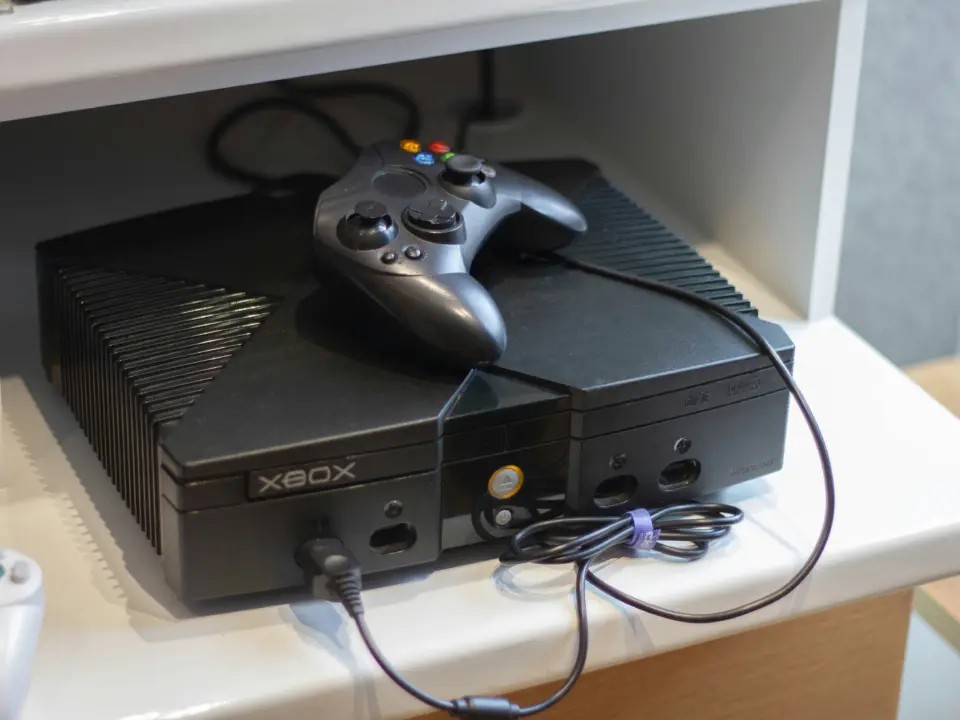
The technical architecture behind the current PC beta appears layered and complex. Reports indicate the Xbox backward compatibility app on PC functions as an original Xbox emulator running inside an Xbox 360 emulator. This nested approach allows older titles to execute on modern Windows systems without native support. The structure explains why the beta currently supports only a limited selection of games.
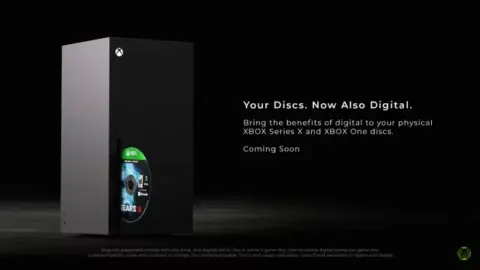
Microsoft is also developing a service called Positron to digitize physical disc libraries for future consoles. This initiative aims to convert physical media ownership into digital licenses for next-generation hardware. The combination of Helix emulation and Positron digitization suggests a push toward a fully digital, backward-compatible ecosystem. These features would simplify library management for users upgrading to new consoles.
We have covered the initial launch of Xbox Backward Compatibility on PC, which introduced four playable titles to Windows users. That earlier release established the baseline for the current beta testing phase. The new speculation builds directly on those confirmed software capabilities. The focus remains on how Microsoft plans to extend this compatibility to dedicated console hardware.
Source: NotebookCheck