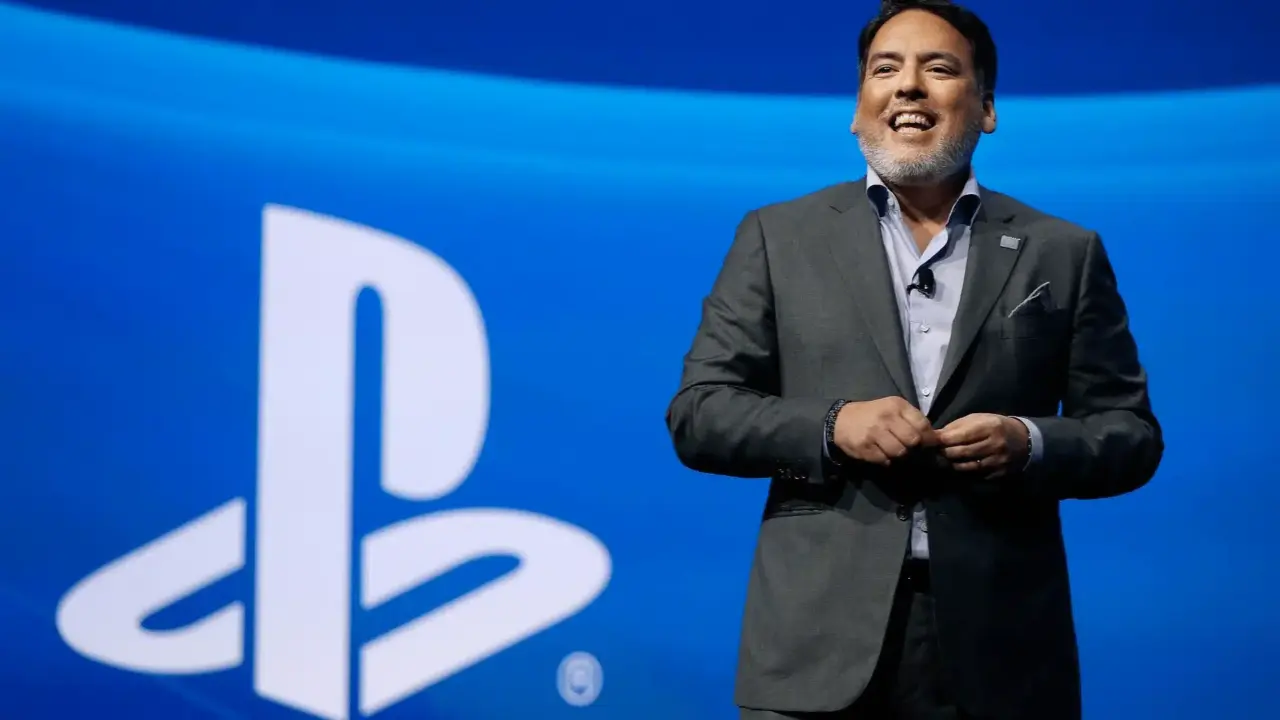
Game development budgets have ballooned to a point where executives no longer tolerate financial risk, a shift that has effectively eliminated the experimentation that once defined the industry. Former PlayStation CEO Shawn Layden argues that this trend is driven by the sheer cost of modern projects, which now require $100 million or more to produce. This financial pressure forces studios to rely on safe sequels and established licenses rather than original ideas, fundamentally changing the types of games players see on store shelves.
Shawn Layden says ballooning budgets force studios into safe sequels
Layden contrasts the current landscape with the early days of the original PlayStation, when development costs were manageable at around $5 million to $7 million per title. He notes that this lower barrier to entry allowed Sony and third-party developers to release a wide variety of weird and innovative games without fearing total failure. The ability to spend millions on a project that might not work provided a crucial safety net for creative risks that are no longer viable today.
The industry's current approach prioritizes familiar franchises over new intellectual property because the cost of failure has become too high for most publishers. Layden observes that executives now demand to see proven formulas, such as a mix of popular genres like Fortnite and Call of Duty, before approving a budget. This risk-averse strategy means that even if a new concept has potential, it struggles to get funding unless it fits a recognizable mold that guarantees a return on investment.
Beyond the creative constraints, the physical media landscape for consoles is also undergoing a significant change that will impact how games are distributed in the near future. Sony has confirmed that it will stop manufacturing discs for new games starting in January 2028. This move signals a definitive shift toward digital distribution for the PlayStation ecosystem, aligning with broader industry trends while closing the chapter on physical media for new releases.
Source: Former PlayStation CEO, MP1ST