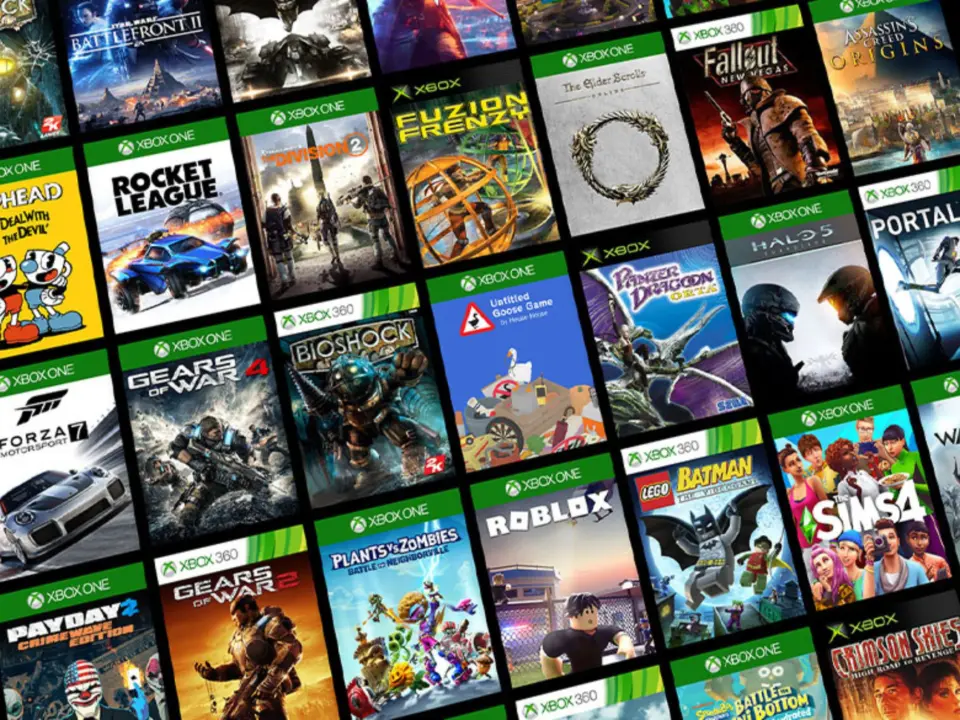
Players hoping to run classic Xbox 360 titles on modern Windows PCs have a stronger reason to stay hopeful. Dataminers found active emulator code buried in the current Xbox hardware ecosystem, proving the technical foundation exists. This discovery suggests Microsoft could soon expand backward compatibility beyond the games it has already certified. Users who rely on digital libraries for older hits may finally see their collections accessible on new hardware.
Dataminers find active emulator code in Xbox One stack
The core of this discovery is an emulator component known as Fission, which operates within the Xbox One and Series X|S software stack. Researchers identified a nested structure called Fusion that allows original Xbox games to boot, and similar architecture appears ready for Xbox 360 titles. Independent developer TheLunarixus analyzed the code and confirmed that robust support for Xbox 360 games on Windows is technically feasible. This internal tooling mirrors the infrastructure Microsoft already uses for older console generations.
Third-party testing has already moved beyond theoretical code analysis. A developer using the tool XWine1 integrated the Fission emulator code and successfully booted legacy titles like Plants vs. Zombies on a PC. This proof-of-concept demonstrates that the emulation layer can handle game execution without immediate crashes. The technical hurdle of running the software appears cleared, leaving only the business and legal layers to navigate.
Microsoft has not officially confirmed that it will release Xbox 360 backward compatibility for PC, though the company has previously promised to boost compatibility across PCs and handheld devices. Significant obstacles remain before any public release. Licensing permissions from publishers who may no longer exist could block specific titles. Music rights also require renegotiation, a process that previously delayed releases like Tony Hawk's Pro Skater 1+2. These legal hurdles often dictate which games survive the transition to new platforms.
Reviewing past backward compatibility initiatives provided context for these emulator discoveries. The technical proof is now in place, but the final decision rests on licensing agreements. Microsoft must secure permissions from rights holders before any Xbox 360 games can officially ship on Windows. Until those contracts are signed, the emulator remains a powerful but unverified tool in the hands of developers.
Source: NotebookCheck