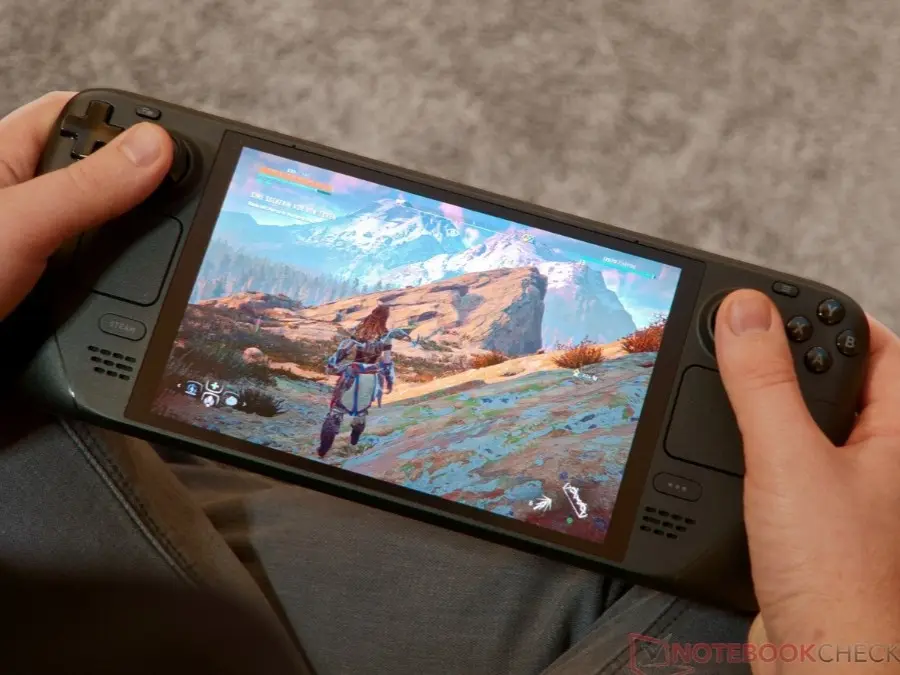
The upcoming Steam Deck 2 will move forward with its original development roadmap, even as the global shortage of memory chips continues to squeeze hardware manufacturers. This confirmation matters because it tells handheld gamers that Valve is not delaying or canceling the next generation of its popular PC gaming device. The company is sticking to its plan to deliver a significant jump in performance rather than a minor incremental update.
Valve prioritizes significant performance gains over quick release dates
Valve is building the next iteration of its handheld PC with a clear focus on generational leaps in power and efficiency. The company aims to preserve the specific balance of performance, battery life, and cost that made the original Steam Deck a success. This approach means the device will likely target a higher performance tier while trying to keep the price accessible for existing fans.
The broader context for this development is the ongoing global crisis in memory and RAM pricing, which has already impacted the current generation of hardware. Valve has noted that component costs have forced price increases for the existing Steam Deck OLED models, with the 512GB version now costing $789 and the 1TB model reaching $949. Despite these market pressures, the company maintains that its development strategy for the successor remains intact.
Pierre-Loup Griffais, a software developer at Valve, addressed rumors suggesting that the memory crisis might derail the project, stating that this is not the case. The release date for the Steam Deck 2 remains unconfirmed, though previous speculation pointed to a 2028 launch window. Buyers should expect a device that prioritizes substantial performance gains over quick time-to-market, even if that means a longer wait.
Source: NotebookCheck


Discussion
0 comments