STEAM Settler’s Domain Launches on Steam With Native ARM Support STEAM Steam Study: Top 1% of Games Take 85% of Revenue ANDROID Honor Turbo 5G Launches with 8,560mAh Battery and IP69 Rating ANDROID Sony Xperia 10 VIII Leak Reveals Snapdragon 6 Gen 3 and 8GB RAM AMD Heatwarped Free Demo Now on Steam: Retro Arcade Racer Specs Revealed AMD Asus ProArt Creation 16 with Ryzen AI 9 and RTX 5070 hits China for $3,413 GAMES GTA 6 Leak Reveals Realistic Carjacking and Persistent Vehicle Mechanics NINTENDO SWITCH 2 From Software’s The Duskbloods Network Test Reveals Missing Lore and Maps ANDROID Compaq QTab Ultra 12.6 Android tablet launches in Mexico for $502 ANDROID Google Pixel 11 Pro Fold Fails Bend Test Despite 3x Durability Claim ANDROID Honor Pad X10 Pro Max: 13-inch tablet with 10,100mAh battery ships Aug 28 PHONES REDMI K100 Pro Max Sales Hit 135% of Predecessor in First Week PC HARDWARE HP OmniBook 3 brings Snapdragon X1 laptop for around $500 PC HARDWARE AOC Q27G4ZRAD/01 Monitor Launches at $312 With 260 Hz Refresh Rate

Uncharted 1 Used Dynamic Difficulty to Slow Down Fast Players

Simon Ellis 0 comments 2 min read

Uncharted 1 used dynamic difficulty to slow down players who finished combat too quickly, extending the game's length because it was only five hours long.

Uncharted 1 Used Dynamic Difficulty to Slow Down Fast Players
GAMES

Uncharted 1 used a hidden difficulty system that slowed down players who finished combat too quickly. This design choice extended the game’s length because the original version was only about five hours long. Players who wanted a more standard experience might have felt held back by this mechanic.
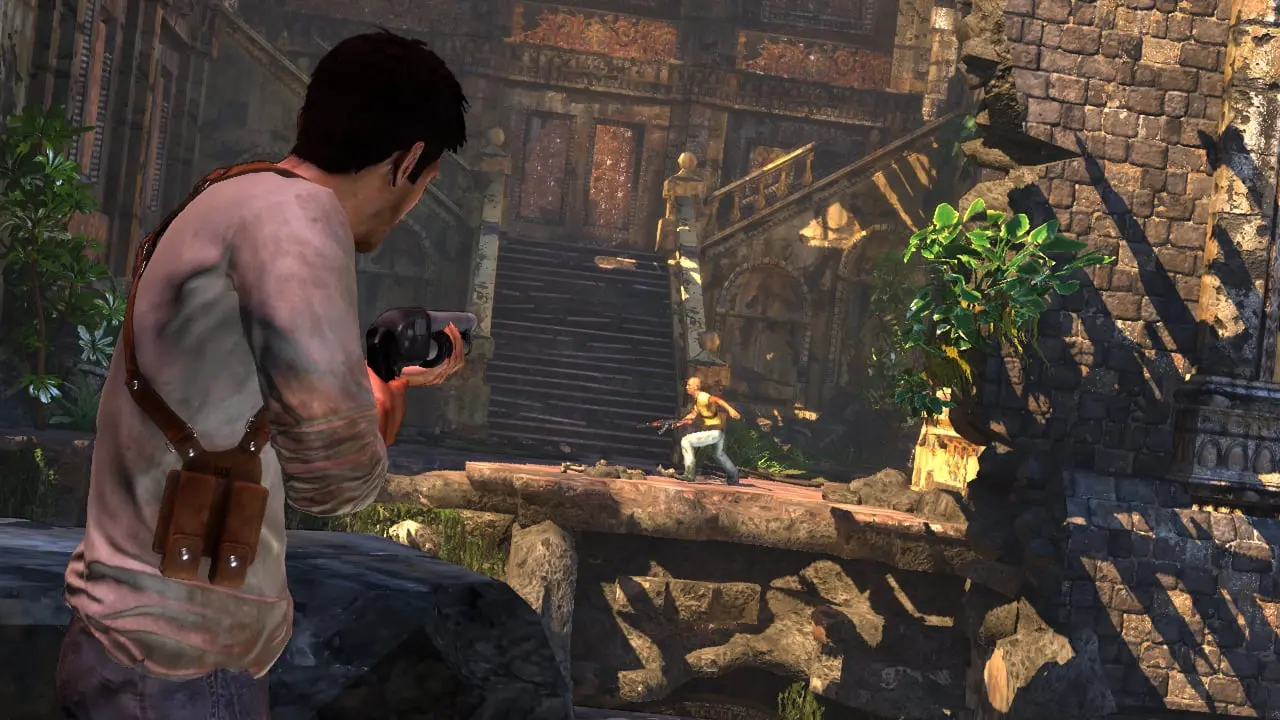
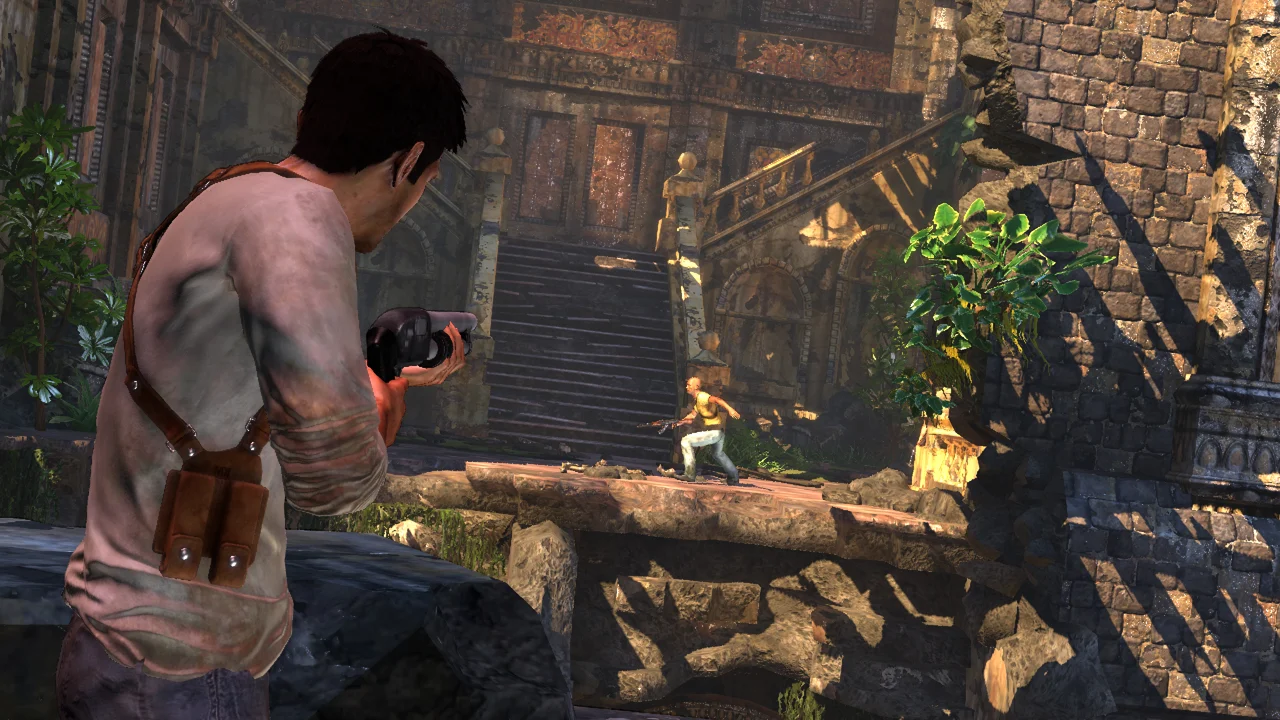
Uncharted gameplay scene

Former designer explains how the mechanic extended the five-hour runtime

Former Naughty Dog designer Benson Russell explained how the system worked during a recent discussion. The developers added dynamic difficulty scaling to manage the game's short runtime and lack of multiplayer. This approach aimed to keep the pacing steady for all players regardless of their skill level.

The system tracked how fast players completed encounters and compared that speed to an internal average. If a player finished faster than the average, the game would increase the difficulty settings. Russell noted that the team put this in specifically to slow down players who were too good.

Later entries in the series kept dynamic difficulty but changed the goal. Uncharted 2 and 3 tuned the system to match player skill rather than artificially slowing them down. We looked at the last Uncharted update earlier while tracking balance changes, and these themes of stability continue to shape the series.

Source: VideoGameChronicles
Discussion

0 comments

Leave a comment