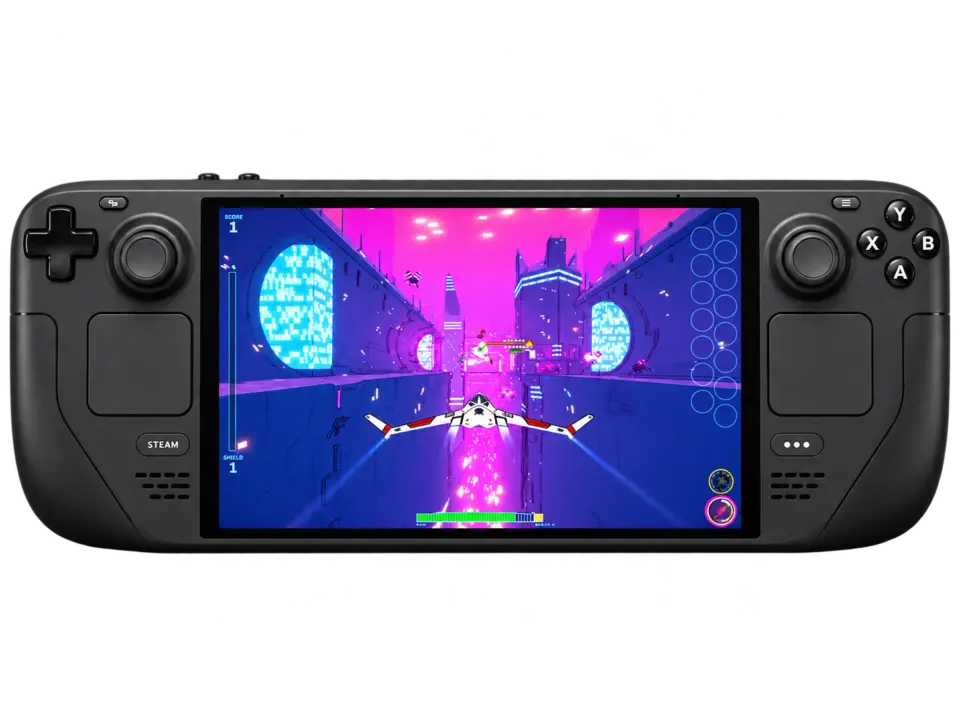
Valve has kept the hardware details of its next handheld console tightly under wraps, but a recent leak suggests the company is moving forward with a specific AMD chip. This information matters because it provides the first concrete technical glimpse into the Steam Deck 2, helping buyers and enthusiasts understand the performance trajectory of the upcoming device. The leak points to a semi-custom processor that could define the handheld gaming landscape for the next few years.
Leaked specs suggest Zen 6C and RDNA 5 architectures for Valve's next handheld
The chip in question is an unreleased AMD APU codenamed Gainsborough. Internal documentation from AMD identifies Gainsborough as a semi-custom processor developed by the company's S3 team. The codename appears to be a deliberate nod to the original Steam Deck APU, which was known as Aerith, referencing the character Aerith Gainsborough from Final Fantasy VII. This naming convention suggests a direct lineage between the current generation and the upcoming successor.
Gainsborough will be manufactured using TSMC's efficiency-focused N3P process. This manufacturing node prioritizes power efficiency, which is critical for battery life in a portable device. MLID speculates that the chip could use somewhere between four and eight Zen 6C CPU cores. The GPU side is expected to feature 12 to 24 RDNA 5 compute units. These specifications remain unconfirmed and are based on driver sightings and leaker analysis rather than official Valve statements.
None of this confirms that Gainsborough will ultimately appear inside the Steam Deck 2. Valve has repeatedly said that it is working on a Steam Deck successor, but has heretofore remained deliberately vague about the hardware that could power it. The leak also mentions that Sony is rumored to use a similar N3P-based AMD APU for its PS6 Portable. Gainsborough would thus be a particularly fitting codename for its successor, aligning with the established naming tradition.
MLID predicts that the Steam Deck 2 could release in late 2027 or 2028. This timeline suggests a multi-year development cycle for the next generation of handhelds. The information currently available is limited to driver sightings and internal documentation claims. Readers should treat these details as early indicators rather than finalized product specifications.
Source: NotebookCheck



Discussion
0 comments