
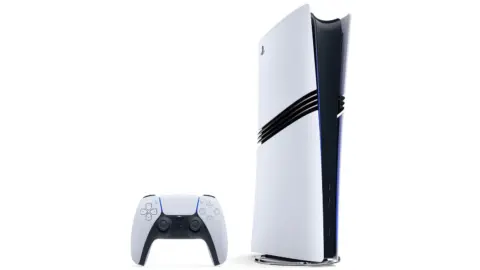
Sony has quietly updated the internal architecture of the PS5 Slim console, a change that primarily benefits long-term reliability and owner maintenance rather than raw gaming speed. This hardware revision, first spotted in a Marvel's Wolverine limited edition unit, signals a shift toward easier repairs and better thermal management for existing console owners. Gamers who plan to keep their systems for many years may find these tweaks useful for avoiding overheating issues or costly professional repairs down the line.
Internal changes improve thermal management and repairability for console owners
The core computing platform remains unchanged, as Sony retained the familiar EDM-051 motherboard found in previous Slim models. This decision keeps the fundamental processing capabilities identical to earlier versions while allowing engineers to focus on peripheral component improvements. The console continues to serve its role as a standard high-definition gaming device without any internal silicon upgrades.
Thermal management receives the most significant attention in this revision, with the introduction of liquid metal between the CPU, GPU, and heatsink. This material transfers heat more efficiently than standard pastes, keeping internal temperatures lower during intense gaming sessions. Engineers also improved access to the CR2032 CMOS battery, making it simpler for users to replace the component if needed without specialized tools.
Sony implemented cost-saving measures elsewhere in the design, specifically by using a cheaper HDMI retimer chip. Despite the lower-cost component, the design optimizes signal integrity to minimize interference and maintain stable video output. These combined changes aim to extend the console's lifespan and improve reliability without delivering a noticeable performance boost for modern titles.
Source: NotebookCheck


Discussion
0 comments