Nintendo released the Nintendo 64 console in Japan on June 23, 1996, marking a significant shift in home gaming hardware. The launch established a new standard for interactive entertainment by introducing analog control sticks as a primary input method. This design choice allowed for more precise movement in three-dimensional space, which mattered to players seeking deeper immersion in virtual worlds. The system arrived in North America later that year on September 29, 1996, and reached Europe on March 1, 1997.

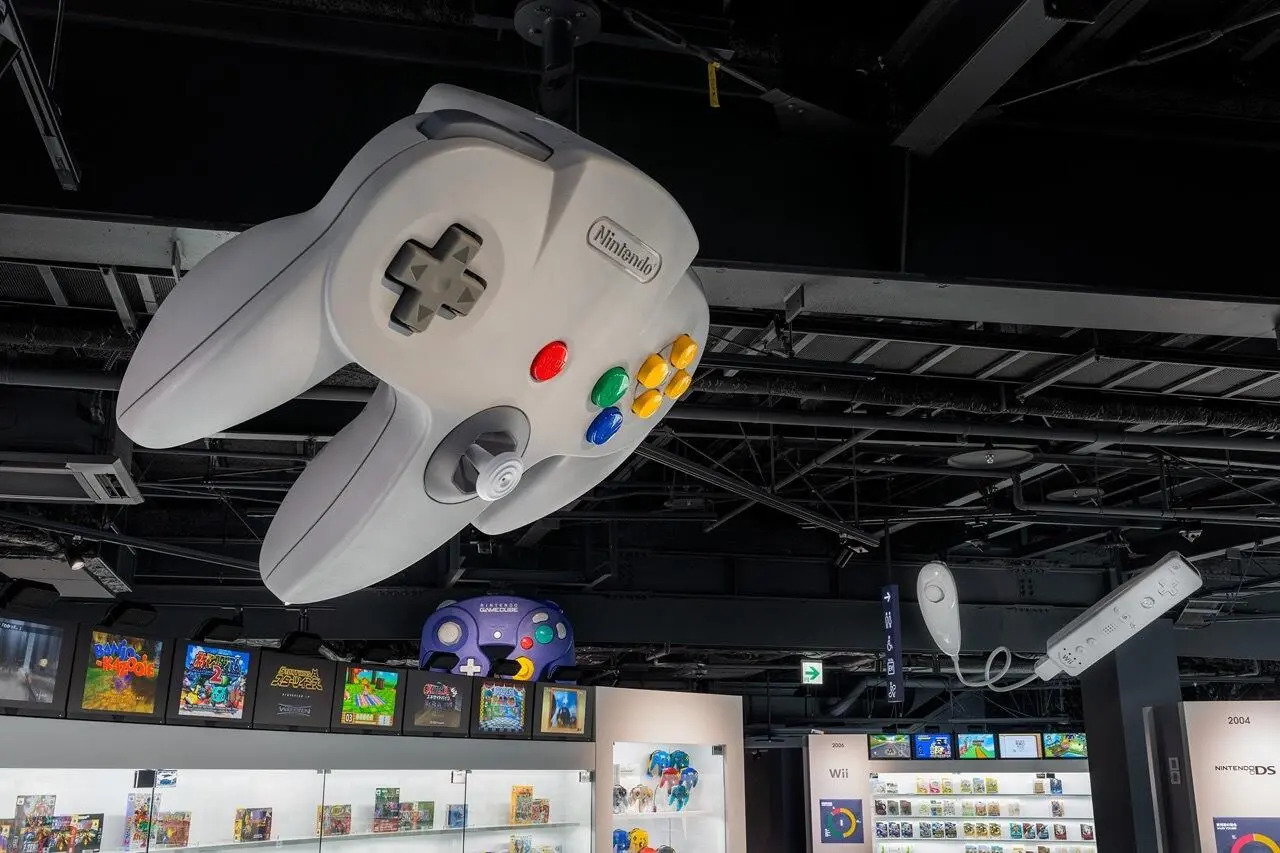
Commemorating the 1996 launch of the console that introduced standard analog sticks
Originally codenamed Ultra 64, the console was developed in partnership with Silicon Graphics to leverage advanced 3D processing capabilities. Nintendo positioned the device as a major platform for next-generation gaming, distinguishing it from previous generations that relied on digital inputs. The hardware architecture focused on delivering smooth polygon rendering, which became a key differentiator against competitors like the Sega Saturn and Sony PlayStation. This technical foundation supported a library of titles that emphasized spatial navigation and complex environments.
- Launch Region (Japan): June 23, 1996
- Launch Region (North America): September 29, 1996
- Launch Region (Europe): March 1, 1997
- Controller Ports: 4
- Base RAM: 4MB
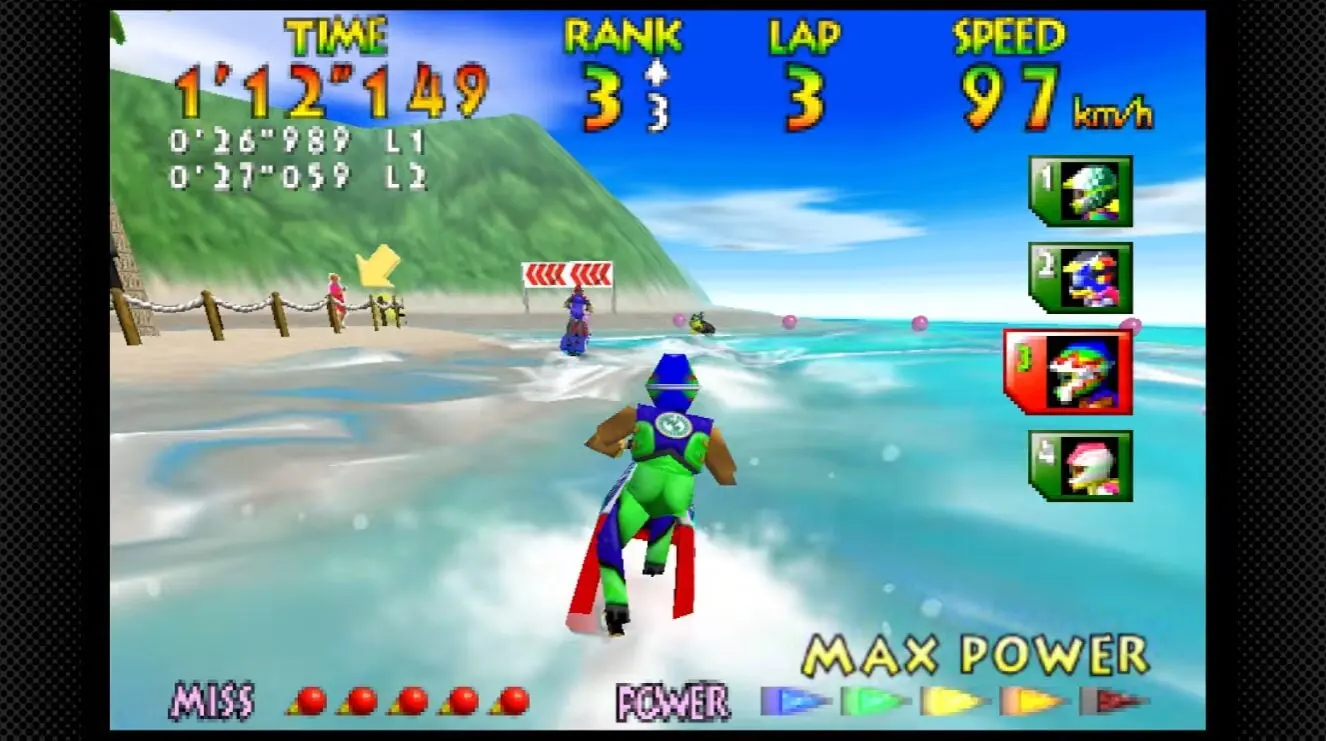
The base unit contained 4MB of RAM, which provided sufficient memory for standard game assets and system operations. An optional Expansion Pak increased this memory to 8MB, enabling developers to create more detailed textures and larger game worlds. The console featured four controller ports, allowing up to four players to connect simultaneously for local multiplayer sessions. This native support for multiple inputs facilitated social gaming experiences without requiring additional adapters or hubs.
Key launch titles included Super Mario 64, GoldenEye 007, and Star Fox 64, which demonstrated the system’s 3D capabilities. These games utilized the analog controls to redefine genre conventions, particularly in platforming and first-person shooter categories. The Nintendo 64 faced significant competition from the Sony PlayStation and Sega Saturn, ultimately losing market dominance in the broader industry. Despite this, the console established a legacy of influential software and hardware design that continues to be recognized in gaming history.
Source: VideoGameChronicles