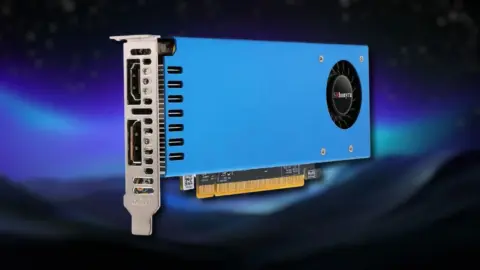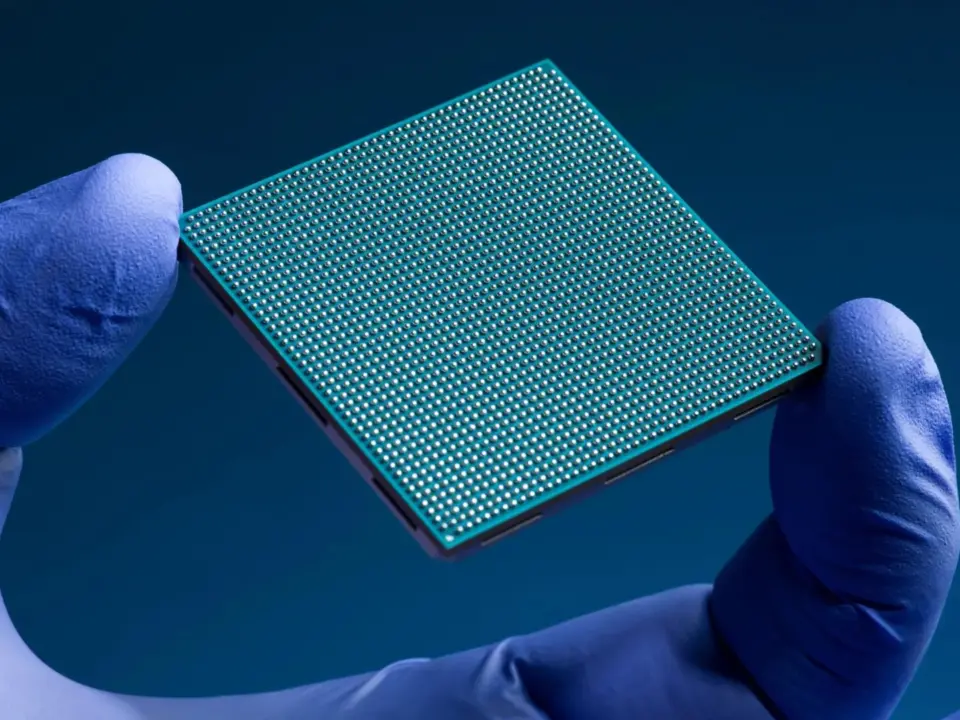
NASA announced the development of a next-generation artificial intelligence processor designated as the High Performance Spaceflight Computing chip. The agency unveiled the project on May 15, 2026, as part of an effort to replace older space-grade semiconductors with more capable hardware. This new chip aims to enable spacecraft to operate with greater autonomy during deep space missions where communication delays with Earth are significant.
New chip enables greater autonomy for deep space missions with extreme radiation resistance
The processor is designed to withstand the extreme radiation and temperature fluctuations inherent to deep space environments. NASA claims the chip can perform up to 100 times better than current hardware. Early results from prototypes undergoing stress tests at the NASA-funded Jet Propulsion Laboratory facility indicate performance exceeding 500 times that of current space-focused chips. The agency describes the design goals as fault-tolerant, flexible, and extremely high-performing.
The Jet Propulsion Laboratory is collaborating with Microchip Technology Inc. on the development of this processor. The prototype performance figures are reported rather than finalized certification data. NASA states that the chip is intended to boost spacecraft autonomy for missions where real-time control from Earth is impossible due to distance.
NASA has not confirmed the launch window for the HPSC chip. The agency has not disclosed pricing or availability details for the processor. The project represents a shift toward more resilient and powerful computing solutions for future aerospace exploration.
Source: NotebookCheck