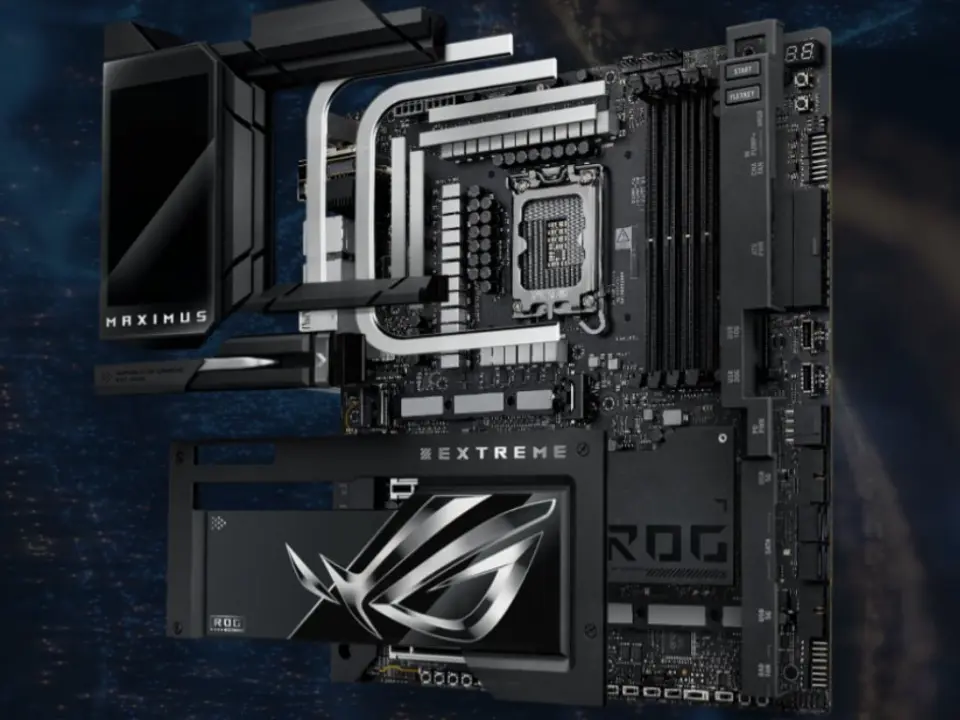
PC builders should brace for steeper costs when upgrading or building desktops, as major motherboard makers are preparing for significant price hikes in the third quarter of 2026. Supply-chain reports indicate that ASUS, MSI, and Gigabyte could raise prices by nearly 50% due to surging component costs. This shift marks a stark contrast to recent years, where DIY PC demand has slumped and shipments from these same vendors have dropped by double digits.
Supply chain reports warn of steep component cost increases
The primary driver behind these potential increases is the rising cost of Printed Circuit Boards (PCBs) and other critical hardware parts. Reports suggest that PCB prices could surge by at least 50% toward the end of 2026. This cost pressure affects the core infrastructure of every motherboard, forcing manufacturers to pass expenses to consumers even as market demand remains weak.
Beyond PCBs, the price surge extends to capacitors, heatsinks, voltage regulator modules (VRMs), and controller chips. These parts are critical for maintaining stable power and cooling in current desktop computers. The combination of higher material costs and reduced production volumes creates a difficult financial environment for motherboard manufacturers who are already struggling to meet lowered shipment targets.
Memory costs now represent the largest share of total PC building expenses, according to industry analysis. This situation makes it harder for PC builders to plan budgets, especially since memory costs are already high. Intel has released its Core Ultra 200 series as the last major desktop update, while AMD has withheld details about its upcoming Zen 6 architecture. Low interest in new hardware platforms could reduce buyer interest while component prices continue to rise.
No official announcements have been made by ASUS, MSI, or Gigabyte regarding these price adjustments. The reports originate from supply-chain outlets and financial news agencies, leaving the final impact on retail pricing uncertain. PC builders should wait for official announcements before planning purchases for late 2026 or early 2027.
Source: NotebookCheck