AMD GMKtec EVO-X5 Mini PC Leaks With 128GB RAM and Gorgon Halo Chip NINTENDO SWITCH Defender of the Crown: The Legend Returns Launches on PC and Consoles NVIDIA Battlefield 6 Free Trial Starts August 18 With Major Storage Catch GAMES Lords of the Fallen Update 1.114 Removes Quest Locks on Boss Weapons GAMES GTA 6 Fan Theory: Jason May Not Be the Traitor After All INTEL HP OmniBook 5 16-inch with Intel Panther Lake starts at $1,399 STEAM System Shock VR Announced for PS VR2, PC, and Quest PLAYSTATION 5 Bringer RPG Announced for PS5, PC, iOS, Android STEAM Stick It to the Stickman 1.0 Launches September 23 on Steam NINTENDO PLATONICA SPACE Switch Release Set for August 27 PLAYSTATION 5 Kingdom Hearts IV Confirmed for Late 2027 Release on PS5, Xbox, PC PHONES iQOO X Concept Phone Features Snapdragon 8 Elite Gen 10 Pro GAMES Kingdom Hearts 4 Adds Pixar’s Coco World in New D23 Trailer CONSOLES ModRetro M64 Firmware 1.24.3 Adds 50Hz/60Hz Display Options

Lexar Introduces Compact 30×20 mm mSSD for Handhelds

Simon Ellis 1 min read

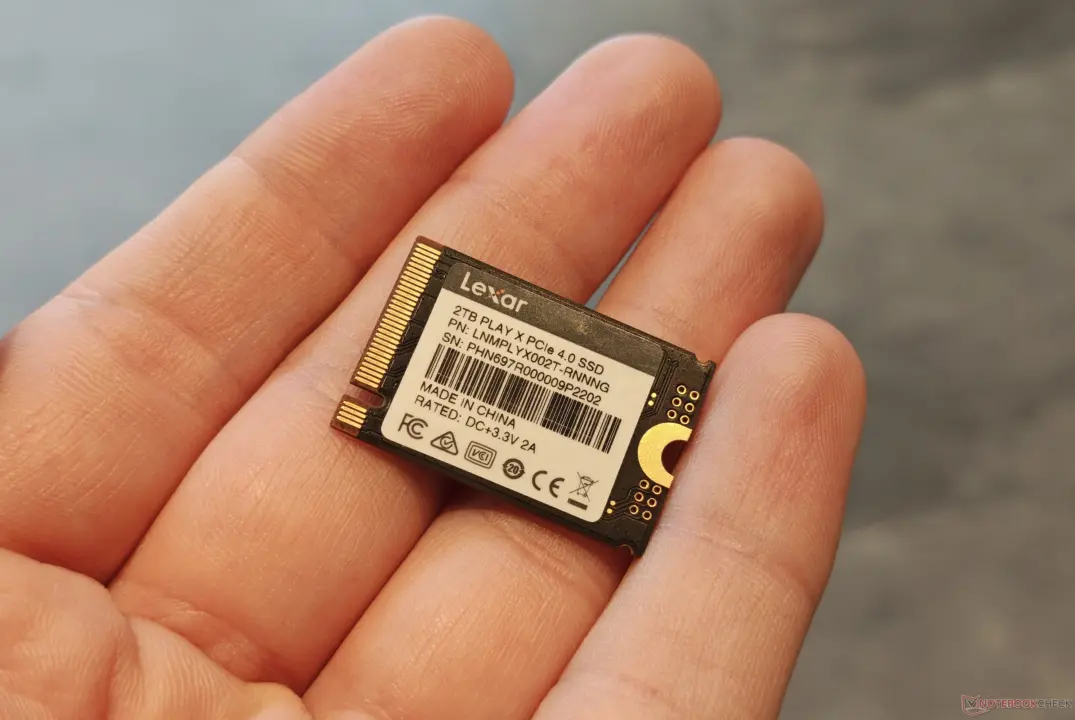
Lexar unveils a new 30 by 20 mm mSSD with up to 2 TB capacity, designed for handheld devices and AI workloads while maintaining its consumer storage lineup.

Lexar Introduces Compact 30x20 mm mSSD for Handhelds
PC HARDWARE

Lexar has maintained its consumer storage lineup while Micron shifts focus toward AI datacenter profits through the Crucial brand. The company now operates under Chinese firm Longsys and continues to supply drives for desktops, laptops, and handheld consoles.

New compact drive targets handheld consoles and AI memory expansion needs

Longsys manages Lexar’s manufacturing with in-house packaging and testing facilities located in Suzhou and Zhongshan. These production centers handle controller design and final assembly while memory chips arrive from external suppliers like Samsung and SK Hynix.

The firm recently showcased a new mSSD form factor measuring 30 by 20 mm that supports up to 2 TB of storage capacity. Lexar collaborates with partners such as Asus to integrate these compact drives into consumer devices.

Lexar designs its own SSD controller chips while developing AI-focused storage solutions to reduce RAM demands on host systems. The company acknowledges lower transfer speeds due to PCIe interface limits but positions the technology as a practical memory expansion method for future workloads.

Source: NotebookCheck