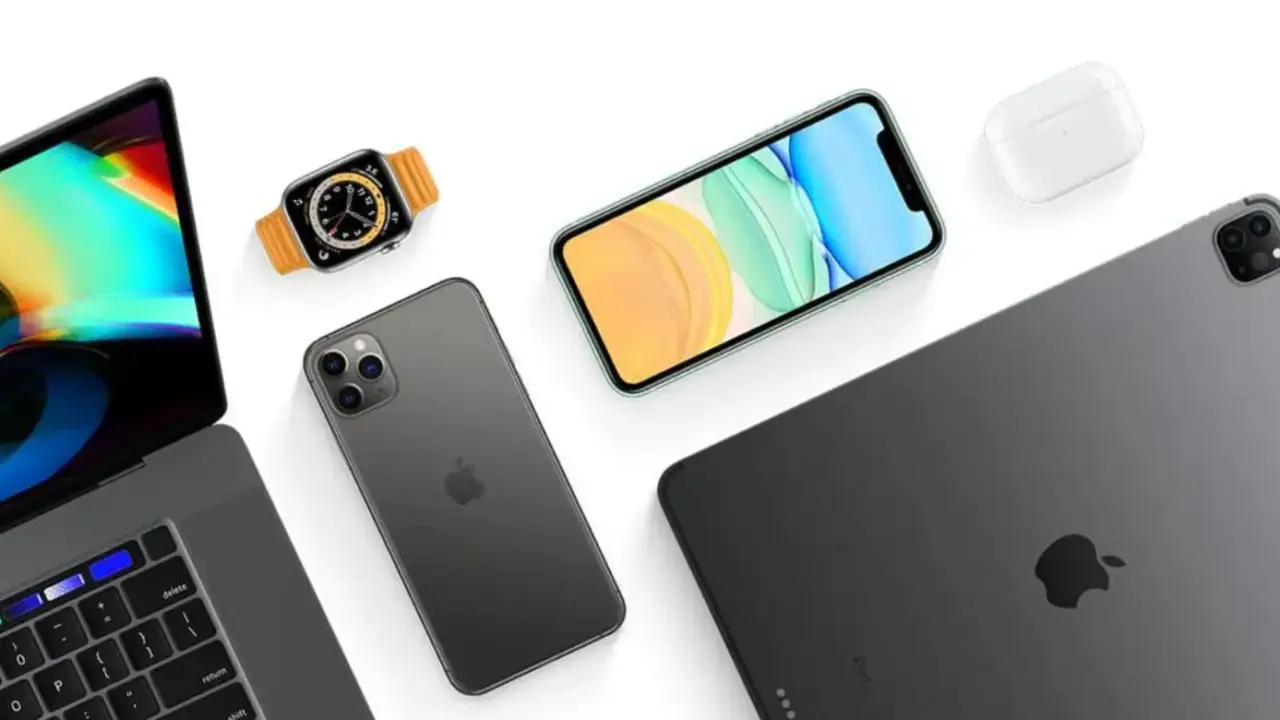
Apple is shifting how customers access its hardware by introducing a subscription-style leasing program called Apple Upgrade. This change matters because it offers a path to lower monthly costs for iPhones, Macs, and iPads, which helps buyers manage the impact of recent hardware price increases. Instead of paying the full retail price upfront, users can now spread the cost over a fixed term through a financial partner.
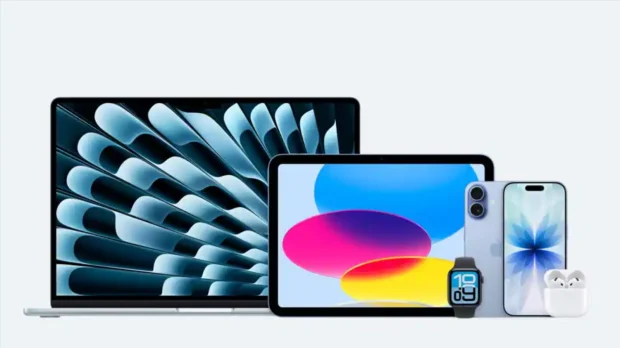
Apple partners with Klarna to offer flexible device access
The new service operates as a recurring payment model similar to a standard subscription. Apple has partnered with Klarna to handle the financial mechanics of the program. This partnership allows the company to offer flexible device access without requiring large initial outlays from consumers.
- Lease Duration (iPhone/Apple Watch): 24 months
- Lease Duration (Mac/iPad): 36 months
- Financial Partner: Klarna
- Program Structure: Subscription-like leasing
The lease terms depend on the specific device category. Users can lease iPhones and Apple Watches for a duration of 24 months. Macs and iPads come with a longer lease period of 36 months. These fixed terms define the commitment length for each product type.
At the end of the lease term, customers have four options for their devices. They can keep the device, pay off the remaining balance, return it, or upgrade to a new model. This structure gives users flexibility to change hardware as technology evolves without being locked into a single purchase.
Apple Upgrade is set to debut globally next week, relative to the July 21, 2026 announcement date. We've been tracking Apple Upgrade closely — see our earlier coverage on Apple iPhone, iPad, Mac price hikes. The program launches as a direct response to demand drops caused by recent hardware price hikes.
Apple is launching Apple Upgrade, a leasing service partnered with Klarna. The program allows users to lease iPhones and Apple Watches for 24 months. Macs and iPads can be leased for 36 months. At the end of the term, users can keep, pay off, return, or upgrade the device. The move aims to offset demand drops from recent hardware price increases. The service shifts device access from one-time purchase to recurring subscription-like payments.
Source: TweakTown