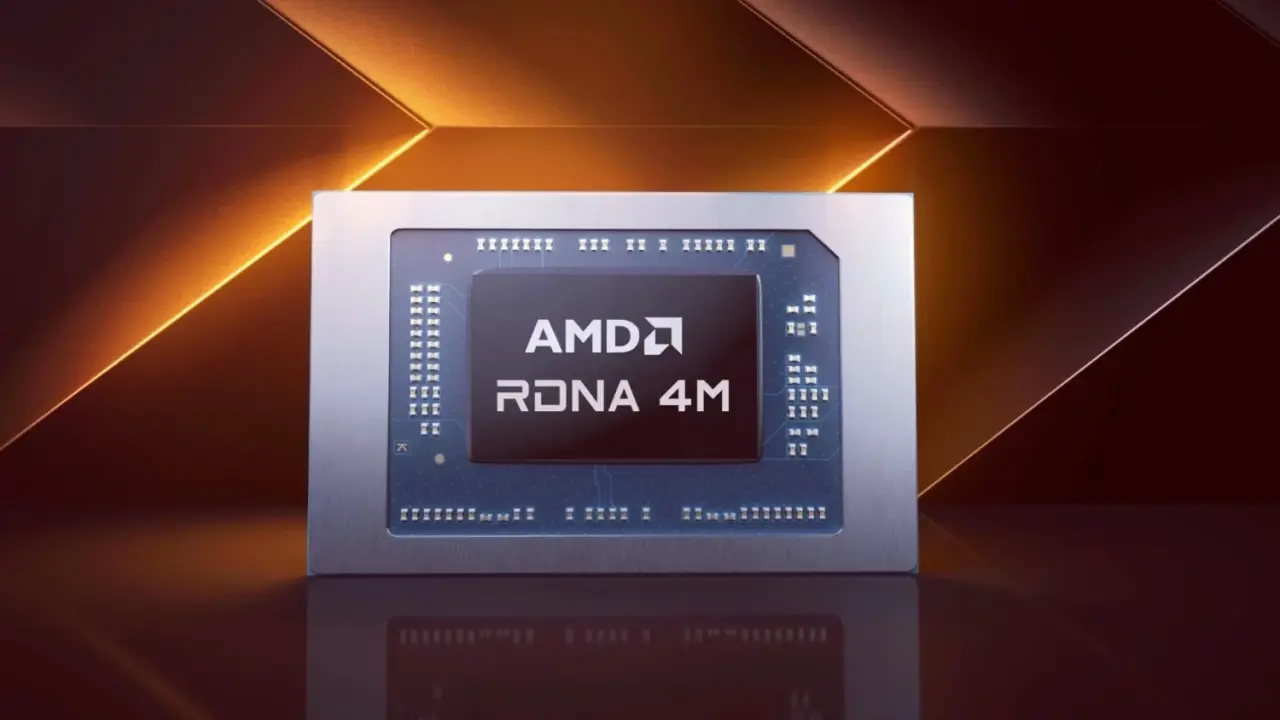
AMD's upcoming RDNA 4m graphics architecture has surfaced in the Mesa 26.3 Linux driver stack, signaling a shift in the company's mobile gaming roadmap. This development matters because it reveals the specific technical capabilities AMD is building into its next generation of integrated graphics. Buyers tracking the transition from current mobile GPUs to future models now have concrete data on what features to expect in the coming years.
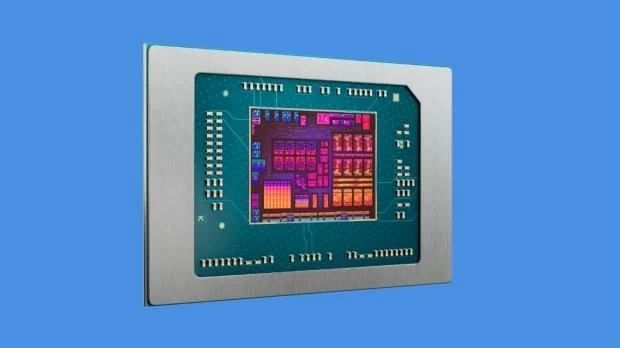
Mesa 26.3 merge reveals INT8 support and Zen 6 pairing for Medusa Point
The RDNA 4m architecture, identified in driver sources as GFX1171 and GFX1172, serves as an intermediate mobile solution distinct from the full RDNA 4 desktop GPUs. AMD plans to integrate this GPU design into its upcoming Medusa Point processor, which will also feature the next-generation Zen 6 CPU architecture. This pairing suggests a focused effort to balance performance and efficiency in a single chip package for portable devices.
Technical details in the Mesa merge indicate that RDNA 4m supports INT8 data types, which enables native support for FSR 4 upscaling technology. This feature set allows the hardware to handle specific AI-driven rendering tasks more efficiently than previous generations. The inclusion of these capabilities in the driver stack confirms that AMD has finalized the core instruction sets for this architecture.
Despite the arrival of RDNA 4m in driver code, AMD intends to retain its RDNA 3.5 architecture for integrated graphics in its APU lineup until 2029. This strategy indicates a prolonged lifecycle for the current generation of integrated graphics solutions. There remains a possibility that FSR 4 support could eventually extend to RDNA 3.5 hardware, though this is not yet confirmed.
The launch of hardware based on RDNA 4m is currently rumored for the fourth quarter of 2026. This timeline places the architecture's release several years into the future, allowing AMD to refine the design before it reaches consumers. The presence of the driver code now provides a clear benchmark for tracking the progress of this mobile graphics technology.
Source: TweakTown