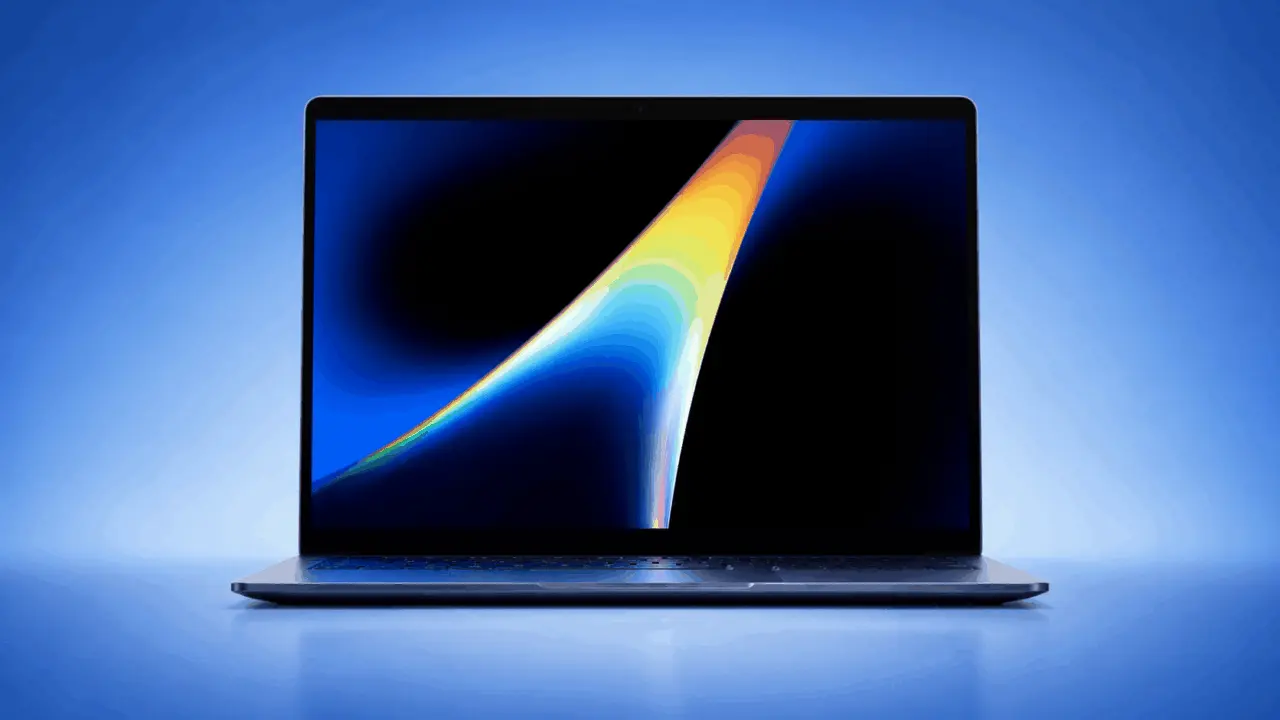
Google is expanding its hardware ecosystem with a new laptop line called Googlebook, and Acer is leading the charge with the Googlebook 14. This device matters because it introduces a dedicated physical Gemini key, which signals a deeper integration of AI tools into the daily workflow for users. The hardware leak reveals a machine designed to balance high-end processing power with specific AI-focused features.
Acer's new Googlebook 14 laptop features Intel Panther Lake chips and a dedicated Gemini key
The device, officially identified as model GP714-91N, runs on Google's new Googlebook platform rather than standard Chrome OS. It relies on Intel's upcoming Panther Lake processors, specifically the Core Ultra 5 325 or the Core Ultra 7 355. These chips provide the computational backbone for the system, ensuring that the laptop can handle modern workloads alongside its AI tasks.
Googlebook 14 Specifications
- Model Number: GP714-91N
- Processor: Intel Core Ultra 5 325 / Core Ultra 7 355
- Display: 14-inch 2.8K OLED 120Hz 100% DCI-P3
- RAM: 16 GB LPDDR5X
- Storage: 256 GB SSD
Acer has equipped the Googlebook 14 with a 14-inch OLED display that supports a 2.8K resolution and a 120Hz refresh rate. The screen covers 100% of the DCI-P3 color gamut, which benefits creators and media consumers who need accurate color reproduction. The base configuration includes 16 GB of LPDDR5X RAM and a 256 GB SSD for storage.
Connectivity options include Wi-Fi 7 and Bluetooth 5.4, ensuring fast and stable wireless connections for users. The system also features Titan C2 security hardware to protect user data and system integrity. A built-in NPU delivers more than 47 TOPS of AI performance, which accelerates local machine learning tasks. The device also includes a Glow Bar for visual status indicators.
European retailer SHI lists the Core Ultra 5 model at 1022 EUR (around $1,180). The listing suggests a potential release date of November 8, 2026, though Acer has not confirmed this timeline. This pricing and availability window gives buyers a concrete target for when the device might hit the market.
Source: NotebookCheck