ANDROID Vivo V70 Lite 4G Adds 8,100mAh Battery, Drops 5G for Unisoc Chip STEAM Phantom Blade Zero Pre-Orders Hit 300K, Chasing Black Myth: Wukong INTEL Asus CX9406 Googlebook Leak: Panther Lake CPU, 16GB RAM, $1,383 Price GAMES GTA 6 Leaked Footage Shows Driving and Strip Club Scenes CONSOLES The Duskbloods Switch 2 Input Lag Hits 200ms in Network Test PC HARDWARE Philips Evnia 27-inch 260Hz Monitor Launches for $190 GAMES GTA 6 Leaks Hit Rockstar Morale, Netflix Unfazed by Early Footage AMD AMD Desktop CPU Share Hits 34.9% in Q2 2026 as Intel Loses Ground GAMES WWE 2K26 Patch 1.15 Adds Finn Balor Theme and Fixes Match Bugs NVIDIA Modern Warfare 4 Beta Nerfs Frangible Rounds and Footsteps GAMES Modern Warfare 4 Beta Patch Tweaks TTK and Footstep Audio SOFTWARE AND UPDATES Twitch Faces Class Action Lawsuit Over Unlicensed AI Training INTEL Lenovo ThinkPad L14 Gen 7 Launches with Wi-Fi 7 and Core Ultra 3 for $1,109 STEAM Settler’s Domain Launches on Steam With Native ARM Support

Lexar Introduces Compact 30×20 mm mSSD for Handhelds

Simon Ellis 1 min read

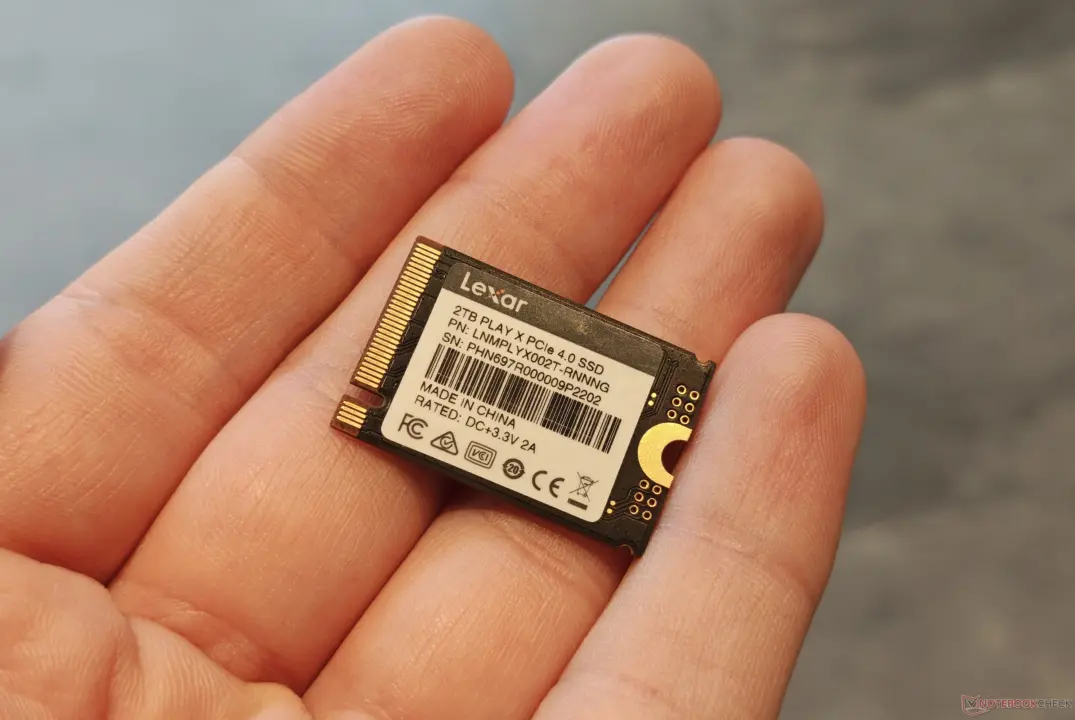
Lexar unveils a new 30 by 20 mm mSSD with up to 2 TB capacity, designed for handheld devices and AI workloads while maintaining its consumer storage lineup.

Lexar Introduces Compact 30x20 mm mSSD for Handhelds
PC HARDWARE

Lexar has maintained its consumer storage lineup while Micron shifts focus toward AI datacenter profits through the Crucial brand. The company now operates under Chinese firm Longsys and continues to supply drives for desktops, laptops, and handheld consoles.

New compact drive targets handheld consoles and AI memory expansion needs

Longsys manages Lexar’s manufacturing with in-house packaging and testing facilities located in Suzhou and Zhongshan. These production centers handle controller design and final assembly while memory chips arrive from external suppliers like Samsung and SK Hynix.

The firm recently showcased a new mSSD form factor measuring 30 by 20 mm that supports up to 2 TB of storage capacity. Lexar collaborates with partners such as Asus to integrate these compact drives into consumer devices.

Lexar designs its own SSD controller chips while developing AI-focused storage solutions to reduce RAM demands on host systems. The company acknowledges lower transfer speeds due to PCIe interface limits but positions the technology as a practical memory expansion method for future workloads.

Source: NotebookCheck