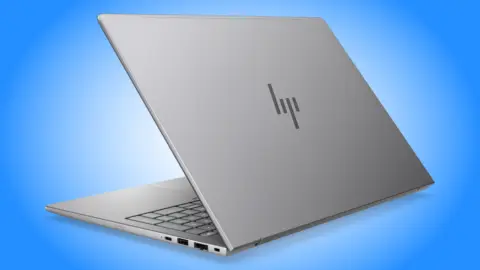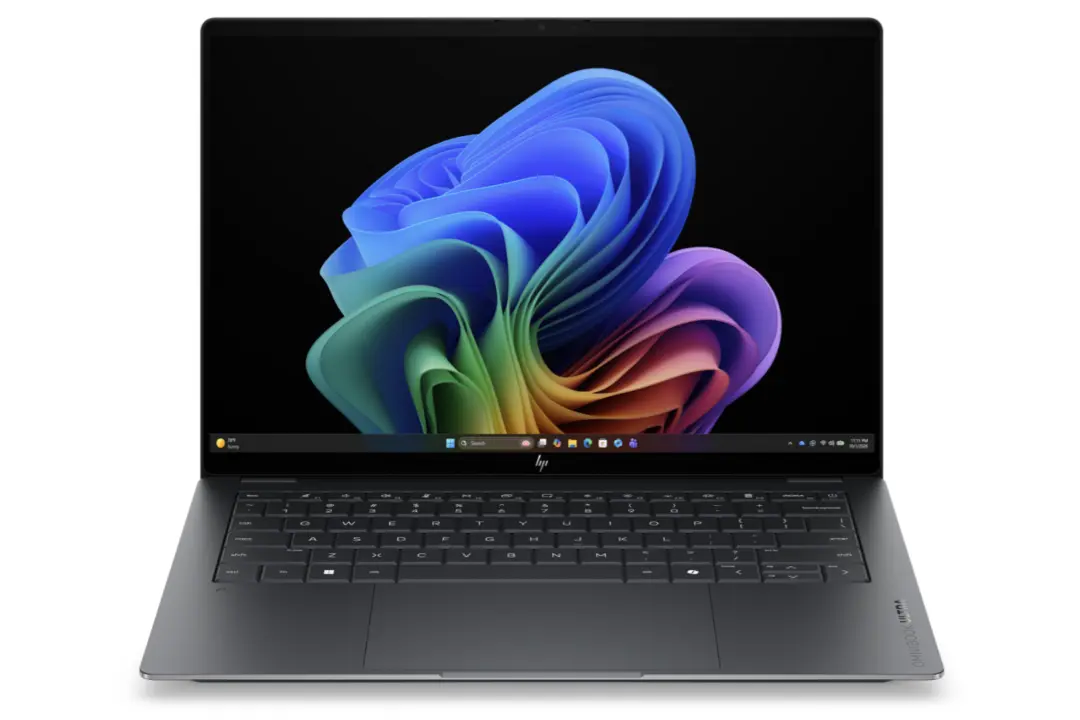
The first benchmarks for the Intel Core Ultra X9 388H reveal a surprising performance dynamic. Early tests show this high-end processor running slower in multi-threaded tasks than the lower-tier Core Ultra X7 386H. This counterintuitive result highlights how laptop cooling systems can override raw silicon capabilities.
Early tests show HP OmniBook with the chip trails Asus Zenbook Duo in multi-threaded workloads.
Intel introduced the Panther Lake-X series with two main models: the Core Ultra X9 and the Core Ultra X7. These chips share identical core counts and feature sets. The only hardware difference between them is their target clock speeds, which should theoretically give the X9 an edge in processing power.
Notebookcheck tested laptops equipped with both processors to isolate thermal effects from silicon differences. An HP OmniBook Ultra 14 using the Core Ultra X9 scored 17663 points in Cinebench R23 Multi-Core. The same benchmark yielded 20159 points for an Asus Zenbook Duo running the identical X9 chip.
Geekbench 6.6 results confirmed the trend with similar disparities. The HP OmniBook Ultra 14 achieved 16568 points in multi-core testing. In contrast, the Asus Zenbook Duo reached 17694 points on the same test suite. These gaps translate to roughly an 11 percent slowdown for the HP machine compared to its competitor.
Graphics performance also showed a measurable gap between the two laptops. The HP OmniBook Ultra 14 trailed the Asus Zenbook Duo by approximately 7 percent in graphical workloads. This consistent underperformance suggests that thermal throttling limits the X9 more severely than the X7 does in certain chassis designs.
The wide performance delta means some Core Ultra X9 laptops may lag behind competitors using the Core Ultra X7. Buyers should expect cooling solutions to dictate real-world speeds as much as CPU selection. Intel's new silicon delivers potential, but implementation varies significantly across different laptop models.
Source: NotebookCheck