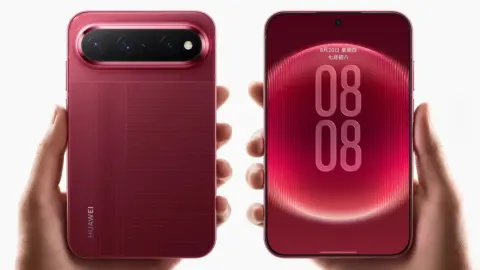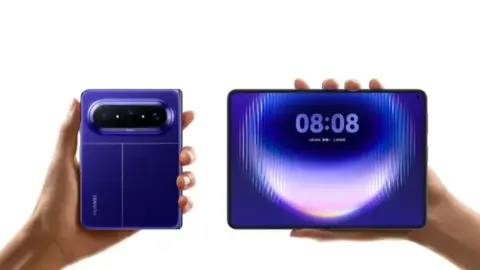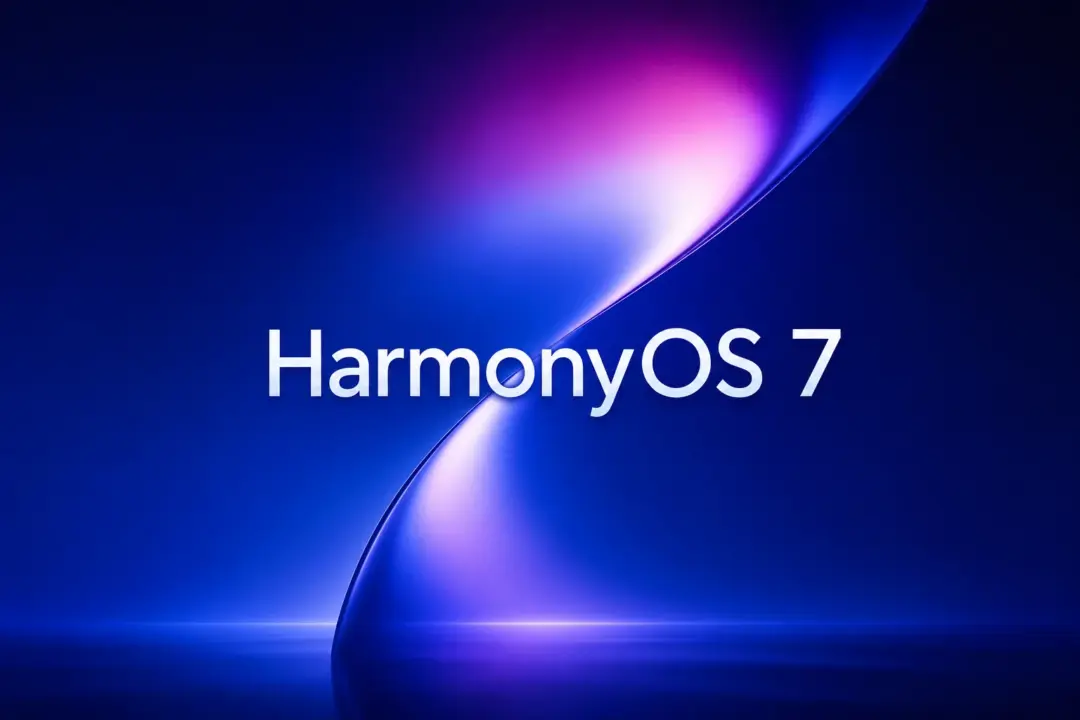
Huawei unveiled HarmonyOS 7 at its annual developer conference, marking a shift from incremental updates to an operating system built around artificial intelligence. The new platform introduces spatial design language with three-dimensional user interface effects and lighting animations that change based on device orientation. This release positions the software as the first major OS architecture designed for AI tasks rather than adding those capabilities later.
Spatial design language and intelligent agent framework debut on Mate devices
HarmonyOS 7 runs on several upcoming Huawei devices including the Mate 80 Pro, Mate X7 foldable, and Pura 90 Pro Max. The operating system upgrades the Celia voice assistant into a system-level intelligence hub that coordinates background tasks across applications. A new HarmonyOS Intelligent Agent Framework 2.0 handles routine operations with reported task completion rates exceeding ninety percent.
The update delivers up to fifteen percent better performance than the previous generation while controlling long-term load growth on older hardware. Huawei added an anti-fraud platform that detects suspicious QR codes, fraudulent web pages, app impersonation attempts, and spoofed phone numbers. HarmonyOS 7 optimizes memory allocation by giving priority to foreground tasks while keeping background activity in check.
Compatibility extends to existing devices through a developer beta release starting today for models like the Mate 80 Pro. The stable rollout arrives later this year with the Mate 90 series preloaded in September when it launches in China. The developer beta provides early access to the new three-dimensional interface, though stability improvements are expected before the official release later this year.
Huawei has not disclosed pricing or availability outside of China for HarmonyOS 7 at this time. The developer beta targets developers and enthusiasts who want to test new AI frameworks before general release. Standard consumers will wait for the stable version that arrives alongside next-generation hardware in September.
Source: Huawei, GIZMOCHINA