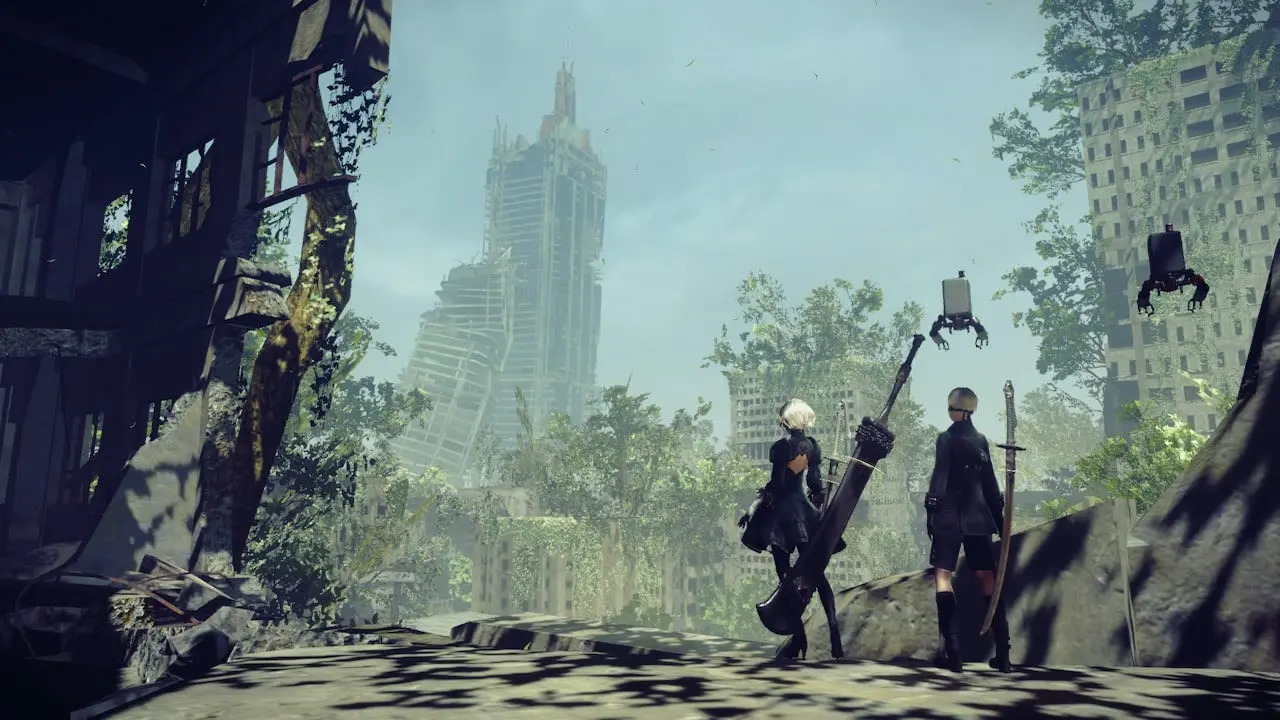
Game director Yoko Taro has outlined his approach to starting new development projects, emphasizing that the process begins with the available budget rather than a creative concept. He stated that he considers the financial resources first and then determines what kind of game can be built based on the resulting staff size and development timeline.
Game director explains how financial resources dictate project scope and team assignments
Taro explained that he evaluates the skills of his team members before deciding on a project direction. He noted that assigning veteran action developers to create non-action games would lead to poor results. Publishers or funding sources may request specific genres, which influences how he structures his proposals to align with both their expectations and his team's capabilities.
He admitted that he deliberately delays announcing deadline extensions until development reaches ninety percent completion. This strategy allows him to secure additional budget by presenting the situation as a near-finished product rather than an early-stage delay. He joked about passing this technique on to others after explaining how clients are unlikely to approve requests for doubled budgets at earlier stages.
Taro also addressed his recent work outside of video games, mentioning involvement in stage plays and anime projects that were mostly cancelled over the past three years. He clarified that he still receives payment for completed portions of those projects but expressed disappointment about never releasing them. Another developer, Hideki Kamiya, added that he prefers project cancellations over releasing unfinished or low-quality work.
Source: VideoGameChronicles