
European regulators are scrutinizing how major video games charge players, a move that could reshape spending habits for millions of users across the continent. The EU Consumer Protection Cooperation network has launched a broad investigation into in-game monetization, targeting practices that may unfairly push players toward additional spending. This regulatory action directly impacts how players interact with virtual economies in some of the most popular digital titles today.
Regulators examine loot boxes, timers, and virtual currency transparency
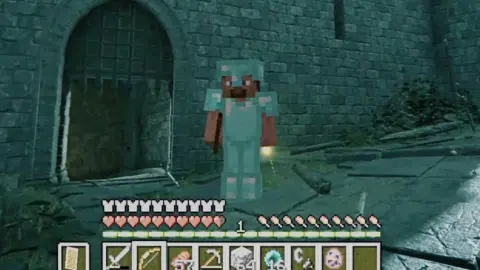
The probe focuses on nine specific games: Hunt: Showdown 1896, Forge of Empires, Candy Crush Saga, Minecraft, Mech Arena, Gardenscapes, Valorant, Clash of Clans, and For Honor. Regulators are examining whether these titles use complex mechanics to obscure costs or encourage excessive purchases. The investigation targets developers including Crytek, InnoGames, King, Mojang, Plarium, Riot Games, Supercell, and Ubisoft.
Key areas of scrutiny include the transparency of costs, the use of complex exchange rates for virtual currencies, and mechanics like loot boxes. Regulators are also investigating the use of misleading countdown timers that create artificial urgency for purchases. The probe extends to the protection of minors, parental controls, and the right of withdrawal for digital purchases.
The probe represents a major regulatory effort to align consumer protection standards with the interactive entertainment sector. Results from the inquiry may result in more stringent rules regarding price transparency and virtual transaction handling. European players might experience adjustments in the presentation of monetization features within popular games.
Source: EU, IXBT


Discussion
0 comments