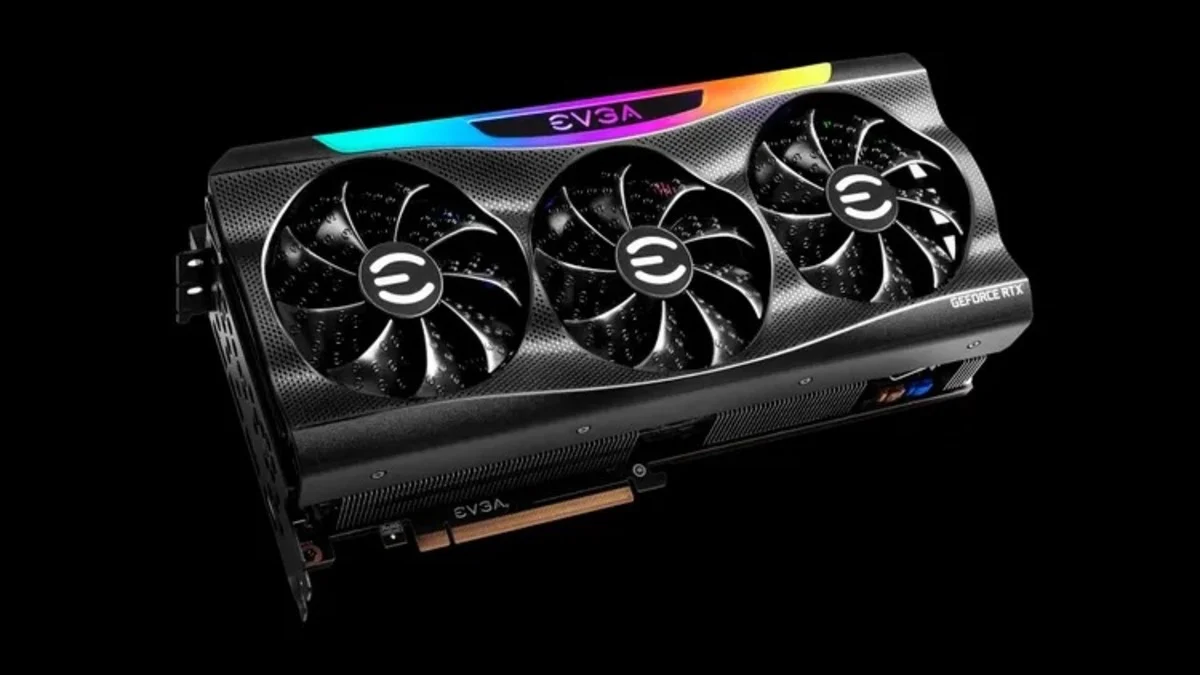
EVGA's decision to exit the graphics card market in 2022 stems from a long-standing pricing conflict with NVIDIA that began years before the company's departure. This history reveals how strict manufacturer pricing controls can force a major partner out of a segment that generates the vast majority of their revenue. Buyers interested in the GPU market should understand that partner independence is often limited by upstream supply constraints and pricing mandates.
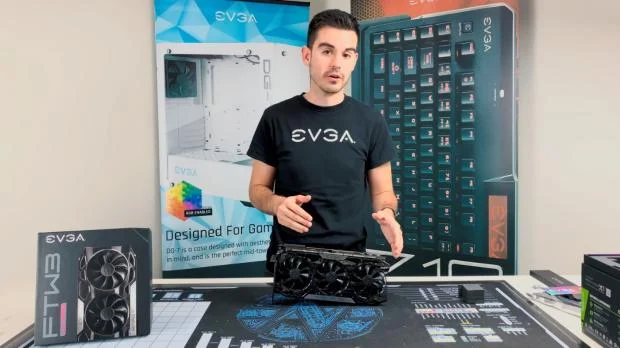
EVGA absorbed losses on specific models to maintain chip allocation
The core of this tension involves EVGA's strategy to keep at least one GeForce card listed at NVIDIA's recommended retail price, even when selling it at a financial loss. Former EVGA employee Brendon Ray Hedrick explains that the company feared NVIDIA would cut chip allocation if they allowed prices to drop below the advertised starting point. This practice meant EVGA had to absorb costs on specific models to maintain their standing with the chip maker.
NVIDIA's entry into the direct-to-consumer market with Pascal Founders Edition cards in 2016 intensified this dynamic by making the chip maker a direct competitor to its own partners. EVGA operated with thin margins, reportedly around 5% on GPUs, while graphics cards accounted for nearly 80% of the company's total revenue by 2022. The combination of low margins and the threat of reduced supply created a fragile business model for the hardware manufacturer.
EVGA CEO Andrew Han later cited NVIDIA withholding pricing and product information as a primary reason for the company's exit from the GPU business. While some reports suggest NVIDIA explicitly punished EVGA for pricing by cutting chip allocation, these claims lack evidence of a formal contract or witnessed enforcement actions. The situation highlights the complex relationship between component suppliers and the partners who build final consumer hardware.
Source: TweakTown



Discussion
0 comments