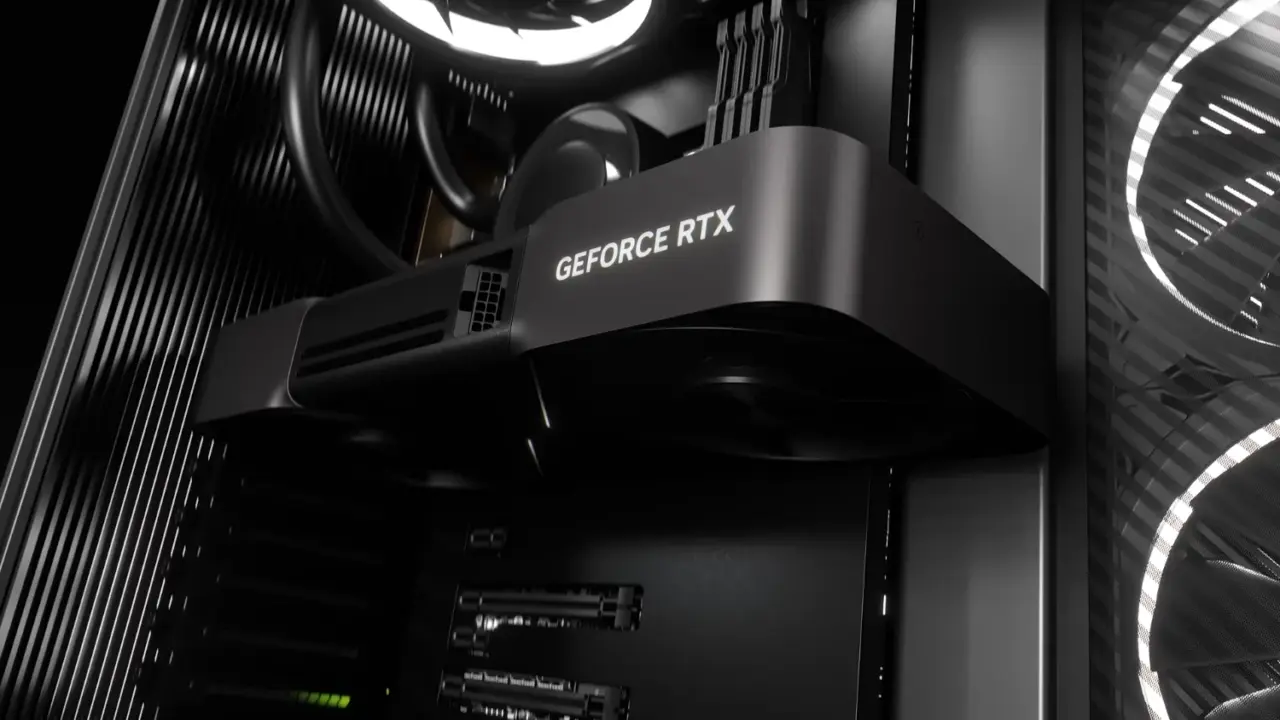
We can now push GDDR7 memory on the RTX 5070 Ti far beyond standard limits, which means buyers with this card can chase extra frames in demanding titles without waiting for official driver updates. A Reddit user recently demonstrated that the memory clock can reach 39Gbps, a speed that fundamentally changes how much data the GPU can process per second. This matters because memory bandwidth is often the bottleneck for high-resolution gaming, and unlocking it offers a tangible performance boost.
User achieves 39Gbps memory speed using mvolt+ extreme utility
The achievement relies on the RTX 5070 Ti, specifically using a GIGABYTE model in the reported case. The user employed a utility called mvolt+ extreme to bypass the typical 3000MHz offset cap found in standard tools like MSI Afterburner. This software allows for much higher voltage and frequency adjustments than what is usually accessible to the average PC gamer.
- Memory Clock Speed: 39Gbps
- Memory Bandwidth: 1,248GB/s
- Overclock Offset: +5500MHz
- GPU Model: RTX 5070 Ti
- Overclocking Utility: mvolt+ extreme
The overclocked memory achieved a +5500MHz offset, resulting in a total memory clock speed of 39Gbps. This configuration delivers 1,248GB/s of memory bandwidth, which is a significant jump from the stock specifications. The utility used to reach these speeds was mvolt+ extreme, which provides the necessary control to exceed standard hardware limits.
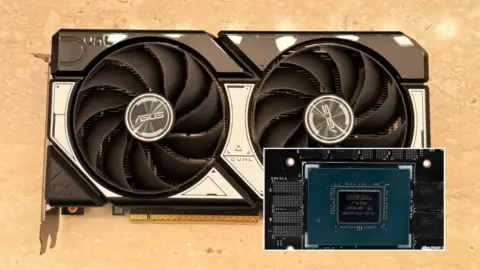
Performance scaling appears to be linear, with the user noting a gain of about +1 FPS for every +1000MHz increase in memory speed. This overclocked bandwidth exceeds what an RTX 4090 achieves at stock settings by over 200GB/s. However, stability varies between manufacturers, as one user with an ASUS Prime RTX 5070 Ti reported their card topped out at around +4500MHz.
We have been tracking GDDR7 Memory closely and previously covered the NVIDIA RTX PRO 5500 Blackwell GPU which also utilizes this new memory standard. The current findings confirm that GDDR7 overclocking is viable on consumer cards, though results depend heavily on the specific silicon quality of the individual GPU. Users interested in this tweak should be aware that not all cards will reach the same extreme offsets.
Source: TweakTown

Discussion
0 comments