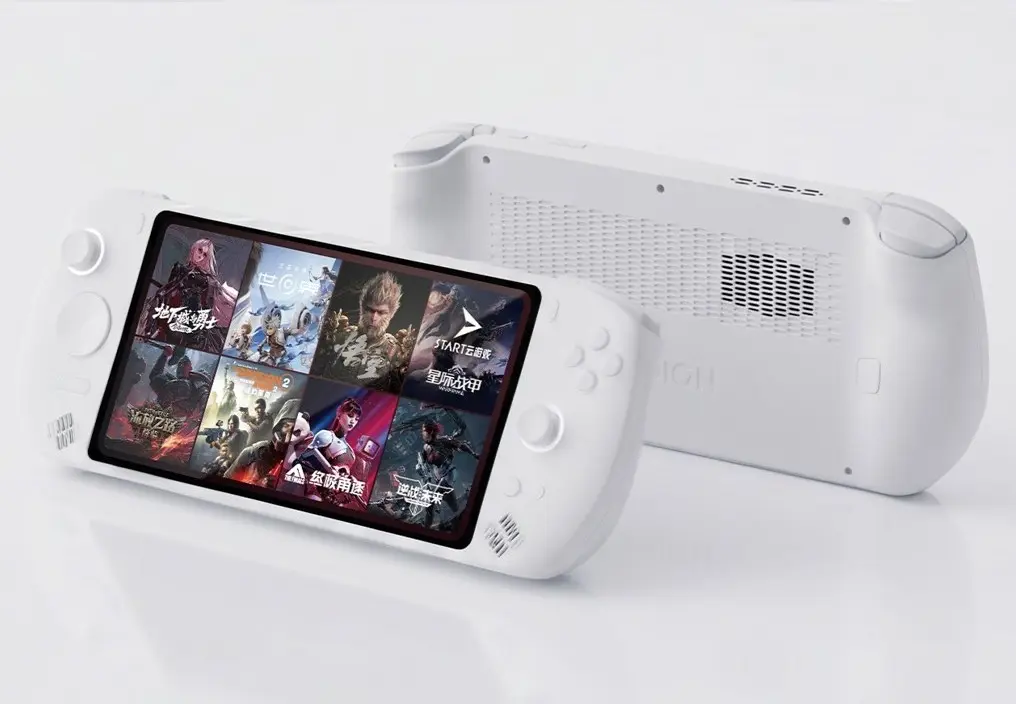
Lenovo introduced the Legion C700 handheld in late August, marking a strategic move into the cloud gaming market through a partnership with Tencent. The device is designed for gamers seeking powerful graphics performance in a portable form that avoids the bulk and thermal output of desktop setups. The release introduces a new entrant to the Chinese handheld market, where the identity of the manufacturer is often viewed as an indicator of device quality.
Software and hardware similarities point to Ayaneo involvement
The Legion C700 arrives as a collaboration between Lenovo and Tencent, designed specifically for streaming games from the cloud. YouTuber ETA Prime identified Ayaneo as the likely manufacturer or co-developer behind the hardware. This relationship indicates that Lenovo is utilizing existing handheld design expertise instead of developing the hardware structure independently.
Evidence for Ayaneo’s involvement comes from software and design similarities. The device features an 'FPS Thunder' performance overlay that is identical to software found on Ayaneo devices. The installation process for the Streamhost app downloads files directly from an Ayaneo server URL. These technical details point to a significant level of collaboration between the two manufacturers.
Hardware design cues further link the Legion C700 to Ayaneo’s previous models like the Kun and Next 2. The handheld uses a floating 8-way D-pad and a button layout that mirrors Ayaneo’s known configurations. The common design features suggest that the C700 utilizes engineering foundations similar to those found in Ayaneo devices, rather than employing a distinct Lenovo architecture.
The Legion C700 represents Lenovo’s entry into cloud-focused handheld gaming, relying on Tencent’s infrastructure for content delivery. The association with Ayaneo implies that the device may benefit from established ergonomic and thermal design principles. This collaboration enables Lenovo to provide a dedicated cloud gaming device by leveraging existing hardware platforms rather than creating them from the ground up.
Source: NotebookCheck


Discussion
0 comments