The 2026 Windows laptop lineup prioritizes efficiency and weight reduction over raw processing power. Buyers looking for all-day battery life and cooler operation should focus on these new configurations. Intel Core Ultra Series 3 and Qualcomm Snapdragon X2 platforms define this year's market. These chips enable devices to run significantly longer on a single charge while staying comfortable to use.
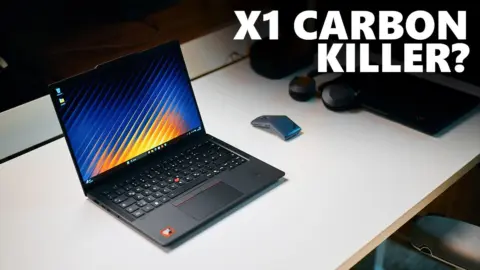
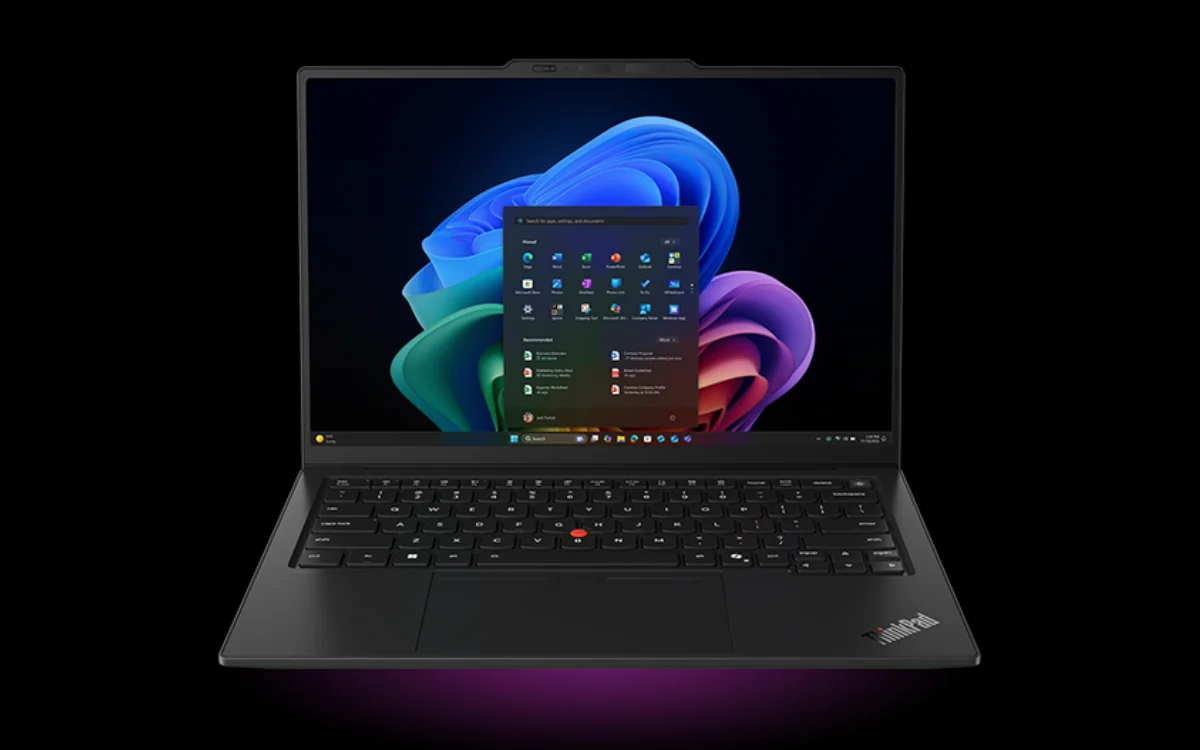
Lenovo ThinkPad X1 Carbon Gen 14 Aura Edition weighs less than 1kg
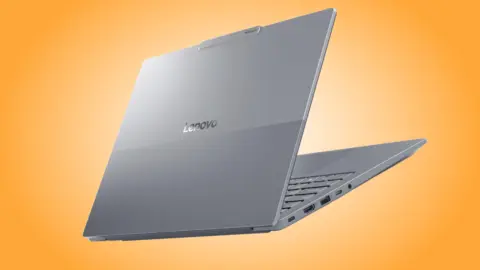
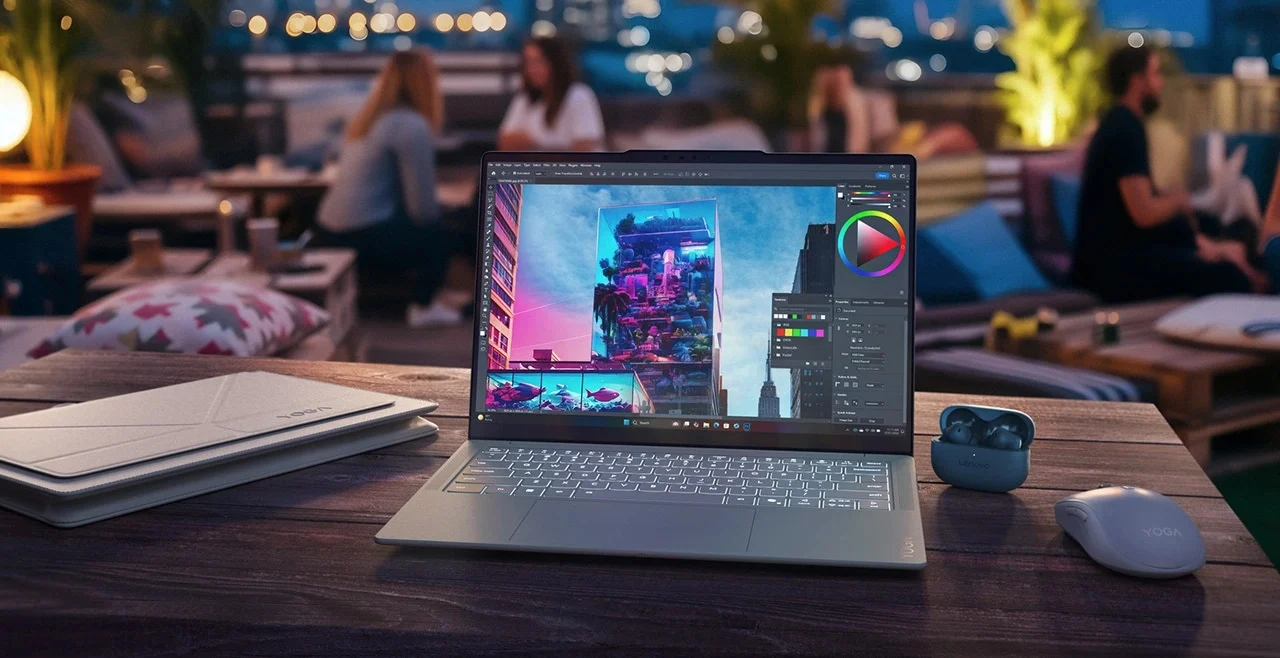
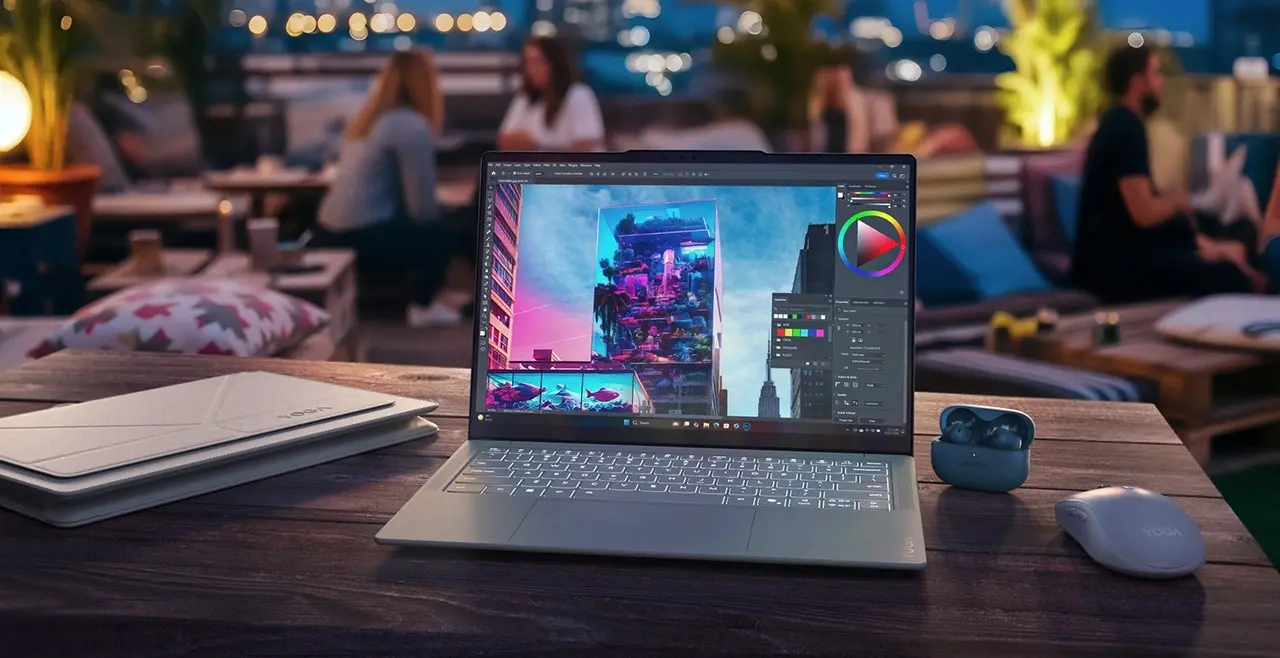
Lenovo leads the charge with two distinct models targeting different business needs. The ThinkPad X1 Carbon Gen 14 Aura Edition supports Intel Core Ultra 5 325, Core Ultra 7 355, and high-end Core Ultra X7 processors. It weighs less than 1kg, making it one of the lightest options available. The Yoga Slim 7i Ultra Aura Edition offers a 2.8K OLED display and starts at just 975g.
Spec comparison
| Spec | Lenovo ThinkPad X1 Carbon Gen 14 Aura Edition | Dell XPS 14 2026 | Asus ExpertBook Ultra |
|---|---|---|---|
| Weight | Less than 1kg (2.2 pounds) | 1.36kg (3 pounds) | 0.99kg (2.18 pounds) |
| Processor | Intel Core Ultra Series 3 | Intel Core Ultra X9 | Intel Core Ultra X9 vPro |
| Memory | Not specified | Up to 64GB LPDDR5X-9600 | Not specified |
Dell, HP, and Asus provide alternatives that emphasize specific use cases. The Dell XPS 14 2026 returns with a CNC-machined aluminum chassis and up to 64GB of LPDDR5X-9600 memory. It weighs about 1.36kg and uses Intel Core Ultra X9 chips for heavy workloads. HP splits its OmniBook Ultra 14 into Intel and Snapdragon X2 variants to cover different compatibility requirements.
Asus focuses on portability with the Zenbook A16 and ExpertBook Ultra. The 16-inch Zenbook A16 weighs 1.10kg and runs on Qualcomm Snapdragon X2 Elite processors. The ExpertBook Ultra is even lighter at 0.99kg and includes Intel Core Ultra X9 vPro chips for security. Both devices target users who carry their laptops daily.
Snapdragon X2 Elite models deliver up to 80 TOPS of NPU performance for AI tasks. This capability allows Copilot+ PCs to handle local AI workloads efficiently. Intel systems rely on traditional processing power for similar tasks. The market now offers clear choices between x86 compatibility and ARM efficiency.
Source: GIZMOCHINA