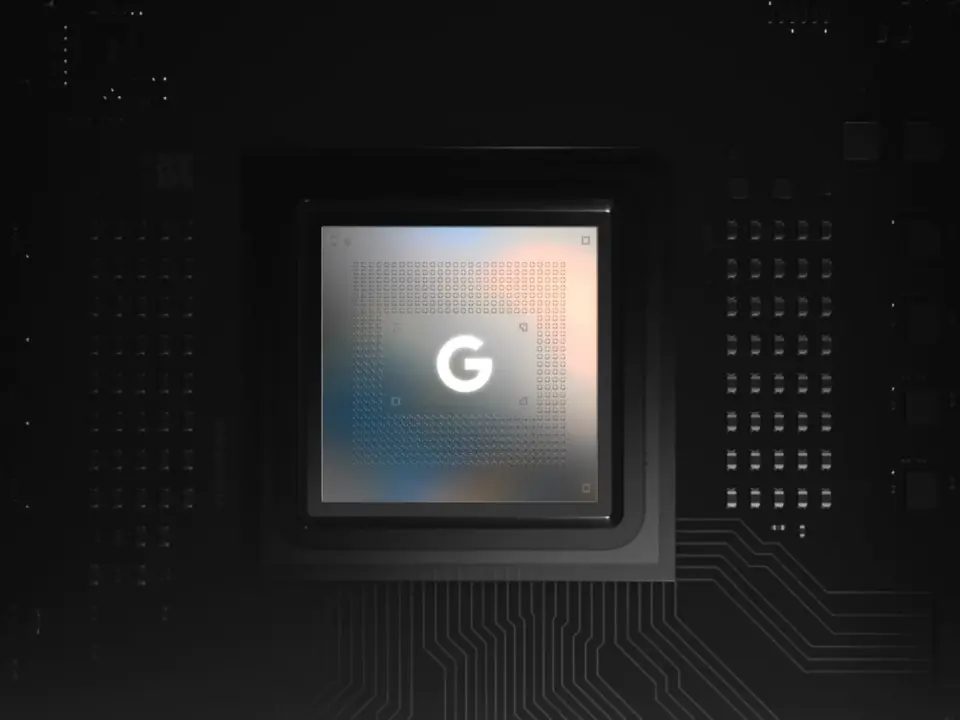
Google's upcoming Pixel 11 Pro XL has surfaced in early benchmark data, offering a concrete look at the performance trajectory of its new Tensor G6 processor. This leak matters to buyers because it reveals a significant architectural shift in how Google handles processing power for its flagship devices. The results show a device that prioritizes single-threaded responsiveness over raw multi-core throughput, a trade-off that will define the user experience for everyday tasks.
Early Geekbench 7 data reveals a seven-core Tensor G6 configuration with mixed performance results
The test device runs on Android 17 and is built around the Kodiak motherboard identifier. It features a unique seven-core CPU configuration that defies standard clustering norms. The processor consists of two cores clocked at 2.65 GHz, four cores at 3.38 GHz, and a single prime core running at 4.11 GHz. This unusual three-cluster setup suggests Google is experimenting with core specialization to optimize specific workloads.
Pixel 11 Pro XL Leaked Specifications
- CPU Cores: 7 cores (2x 2.65 GHz, 4x 3.38 GHz, 1x 4.11 GHz)
- Geekbench 7 Single-Core Score: 2,112
- Geekbench 7 Multi-Core Score: 5,196
- RAM: 16 GB
- GPU: PowerVR C-Series CXTP-48-1536 MC1
In Geekbench 7 testing, the Pixel 11 Pro XL scored 2,112 points in single-core performance and 5,196 points in multi-core performance. The system is equipped with 16 GB of RAM to support these operations. The GPU is identified as the PowerVR C-Series CXTP-48-1536 MC1, continuing the partnership with Imagination Technologies. These specifications provide a clear technical baseline for the hardware's capabilities before its official release.
Comparisons with previous generation data indicate that the Tensor G6 is approximately 7% faster in single-core performance than the Tensor G5 reference figures. However, multi-core performance sits roughly 12% lower than the Tensor G5 reference. This divergence suggests that while everyday app loading and UI interactions may feel snappier, heavy parallel processing tasks could see a relative decline. We've been tracking Pixel 11 Pro XL closely — see our earlier coverage on Google Pixel 11 Series Launches August.
The benchmark results come with important caveats regarding real-world applicability. Pre-release scores often differ from final consumer performance, and Geekbench 7 metrics are not directly comparable to previous Geekbench 6 standards. The specific Arm Cortex or Lumex IP cores used in the Tensor G6 remain unknown, leaving the exact architectural origins of these performance gains unconfirmed. Until official reviews arrive, these figures should be treated as early indicators rather than definitive performance guarantees.
Source: NotebookCheck