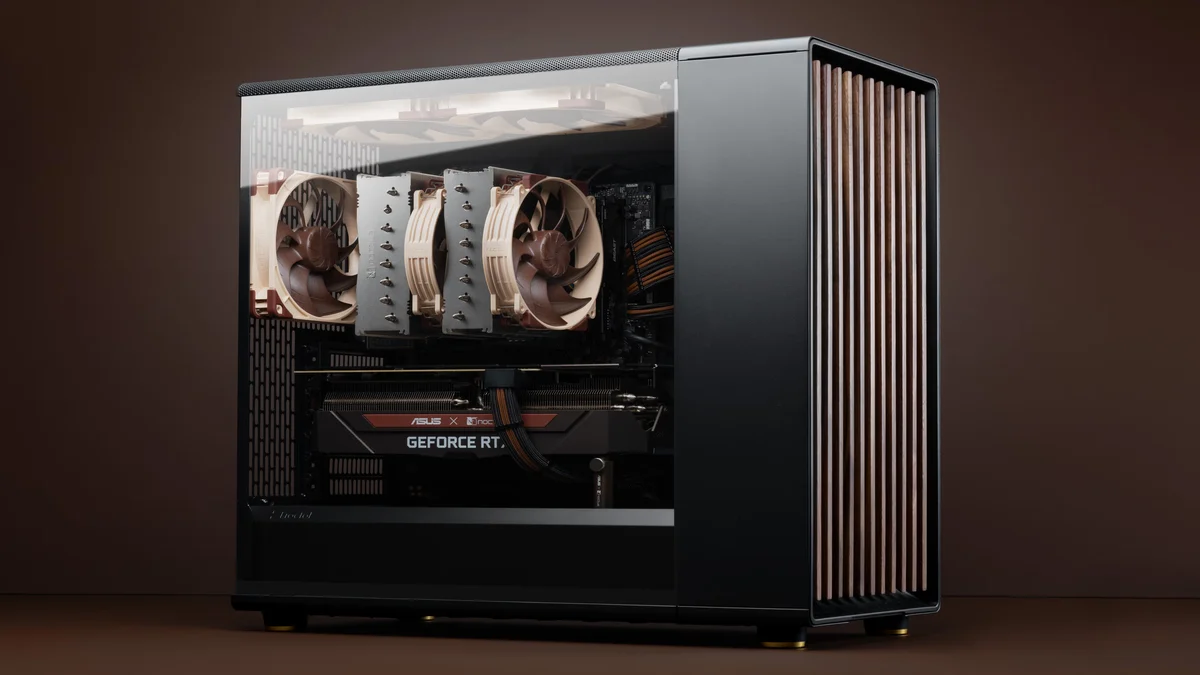
Noctua has released a detailed database of physical measurements for over 100 popular PC cases, challenging the accuracy of official manufacturer specifications. This update matters because many builders rely on listed clearance numbers to choose CPU coolers, and those numbers are often wrong. When specs do not match reality, builders might buy coolers that do not fit or overlook larger coolers that would actually work. The data helps users make informed decisions instead of guessing based on potentially misleading marketing sheets.
Independent measurements show official case specs often mislead builders
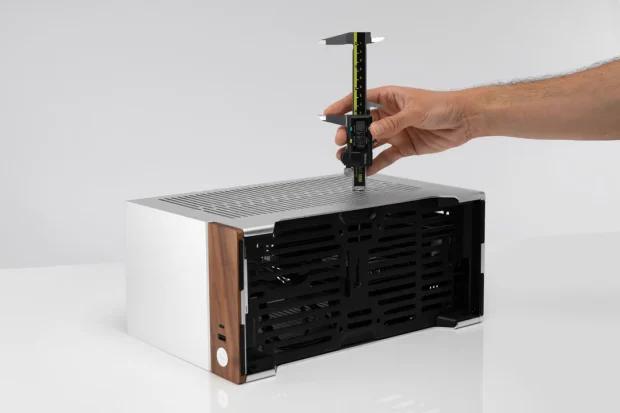
The analysis focuses on CPU cooler clearance, which is the vertical space available between the motherboard and the top of the case. Noctua physically measured this dimension in each case to determine the actual usable space for air coolers. The company compared its findings against the clearance values printed on official spec sheets from major case manufacturers. This process reveals a pattern of discrepancies that affects compatibility for high-end air cooling solutions.
Spec comparison
| Spec | Corsair Frame 4000D | NZXT H2 Flow | ASUS Prime AP201 |
|---|---|---|---|
| Listed clearance | 170mm | 75mm | 170mm |
| Measured clearance | 180mm | 79mm | 168.3mm |
| Deviation | +10mm | +4mm | -1.7mm |
Noctua found that actual clearance frequently differs from the listed numbers, sometimes significantly. For example, the Corsair Frame 4000D lists 170mm of clearance, but Noctua measured 180mm of usable space. The NZXT H2 Flow is listed at 75mm but measures 79mm in practice. Conversely, the ASUS Prime AP201 lists 170mm but provides only 168.3mm of actual clearance. The Lian Li B4-mATX lists 168mm but measures just 164.5mm. The Thermaltake TR100 lists 68mm but actually provides 70.7mm.
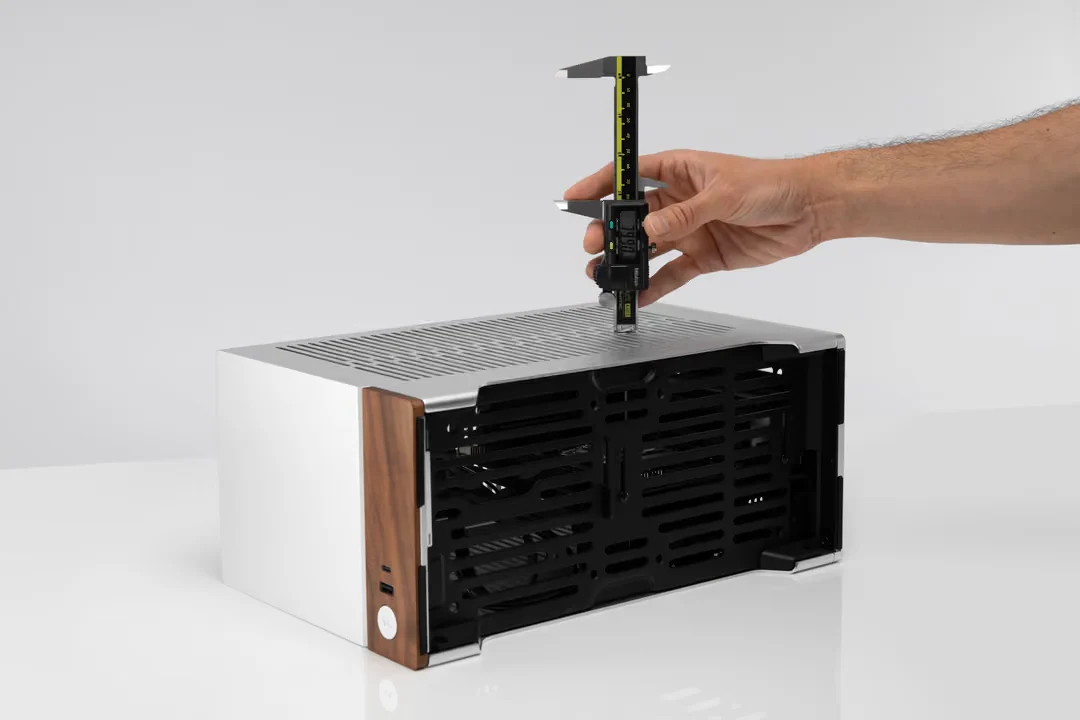
These deviations occur because manufacturers likely use conservative buffers in their specifications to account for manufacturing tolerances. Variations in motherboard standoffs and PCB thickness can also affect the final clearance in real-world builds. Noctua has created a dedicated case compatibility database to flag cases with significant deviations from manufacturer specs. This resource allows builders to verify compatibility before purchasing components, reducing the risk of installation failures.
The database serves as a practical tool for PC builders who prioritize air cooling performance. It highlights that official spec sheets from manufacturers like Corsair, NZXT, and Lian Li are frequently inaccurate. Builders should check actual measurements rather than relying solely on advertised numbers. This approach ensures that larger coolers will fit and that compatibility issues are avoided during assembly.
Source: TweakTown