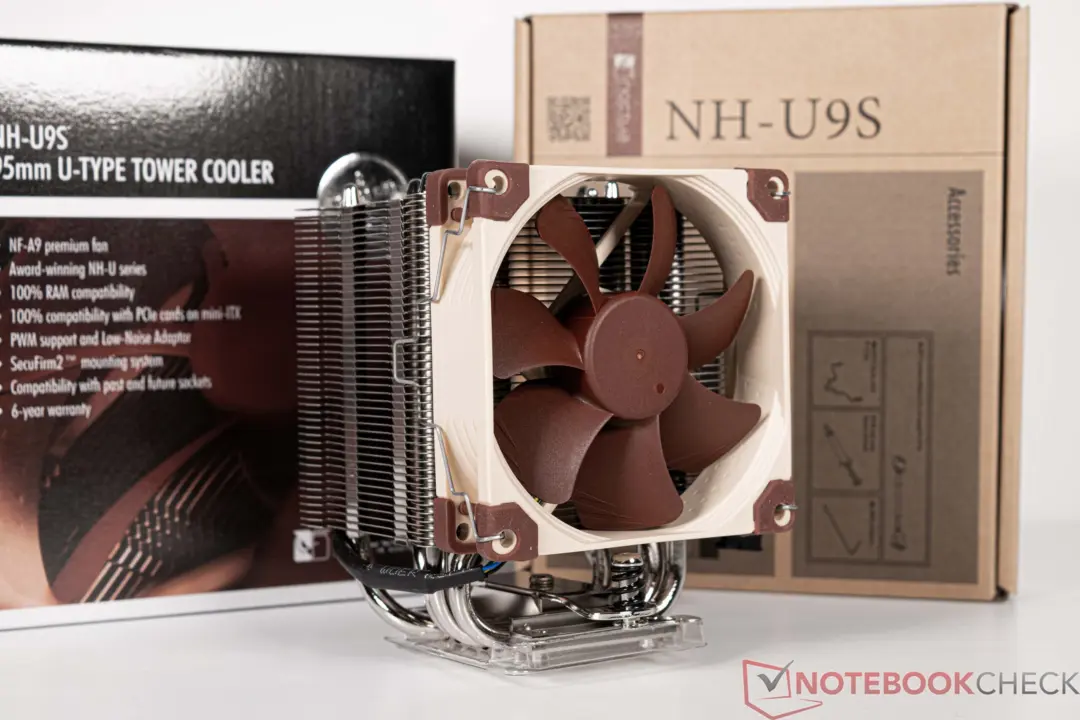
Noctua is exploring a radical shift in desktop cooling by partnering with Forced Physics DCT to adapt server-grade thermal management for consumer PCs. This research effort targets a fundamental limitation in air cooling: the insulating layer of slow-moving air that forms around heat sinks and restricts heat dissipation. For enthusiasts and builders pushing hardware beyond standard thermal envelopes, this partnership signals a potential path to cooling solutions that bypass traditional liquid loops while handling extreme heat loads.
Noctua researches adapting server-grade micro-channel cooling for desktop PCs
The core of this collaboration centers on Forced Physics DCT's JouleForce micro-channel technology. This system uses arrays of tiny channels to manage airflow at high pressure, allowing it to dissipate over 2,000W of heat using air alone. Noctua is investigating how to integrate this technology into desktop environments, where space and noise constraints differ significantly from server racks.
- Cooling Technology: JouleForce micro-channel array
- Heat Dissipation Capacity: 2000W
- Cooling Method: Air cooling
Current implementations of JouleForce require industrial blowers or vacuum pumps to generate the necessary pressure for effective cooling. These high-pressure requirements create significant sealing challenges that must be addressed before the technology can be viable for consumer use. Noctua aims to reduce these pressure demands or discover quieter methods to generate the required airflow, which would make the system practical for home or office desktops.
At this stage, the project remains strictly a research endeavor with no commercial product or release date announced. Noctua and Forced Physics have not confirmed when or if a consumer-ready cooling solution based on this technology will reach the market. The focus is currently on solving the engineering hurdles of sealing and noise reduction rather than preparing for immediate production.
Source: NotebookCheck
Discussion
0 comments