Rising costs for console and PC hardware are pushing major publishers to reconsider how players access games. Take-Two Interactive CEO Strauss Zelnick argues that game streaming offers a practical escape from these escalating prices. This shift matters because it could allow players to run high-end titles on inexpensive devices like phones or basic laptops. The strategy relies on moving the heavy processing load to remote servers rather than demanding powerful local hardware.
Take-Two Interactive CEO Strauss Zelnick argues that game streaming offers a practical escape from these escalating prices.
Zelnick predicts that low-latency game streaming will become commercially viable within the next three years. He believes this technology will transform devices that previously could not run games into viable gaming platforms. The goal is to widen the install base by removing the barrier of expensive dedicated gaming consoles. This approach contrasts with the current industry standard where players must buy expensive hardware to access new releases.
The executive acknowledges that significant technical and market barriers still exist for widespread adoption. Latency issues and complex licensing agreements continue to slow down the rollout of reliable streaming services. Consumer preference for physical controllers also poses a hurdle for mobile-focused streaming experiences. These factors explain why streaming has remained just around the corner for over a decade despite earlier predictions.
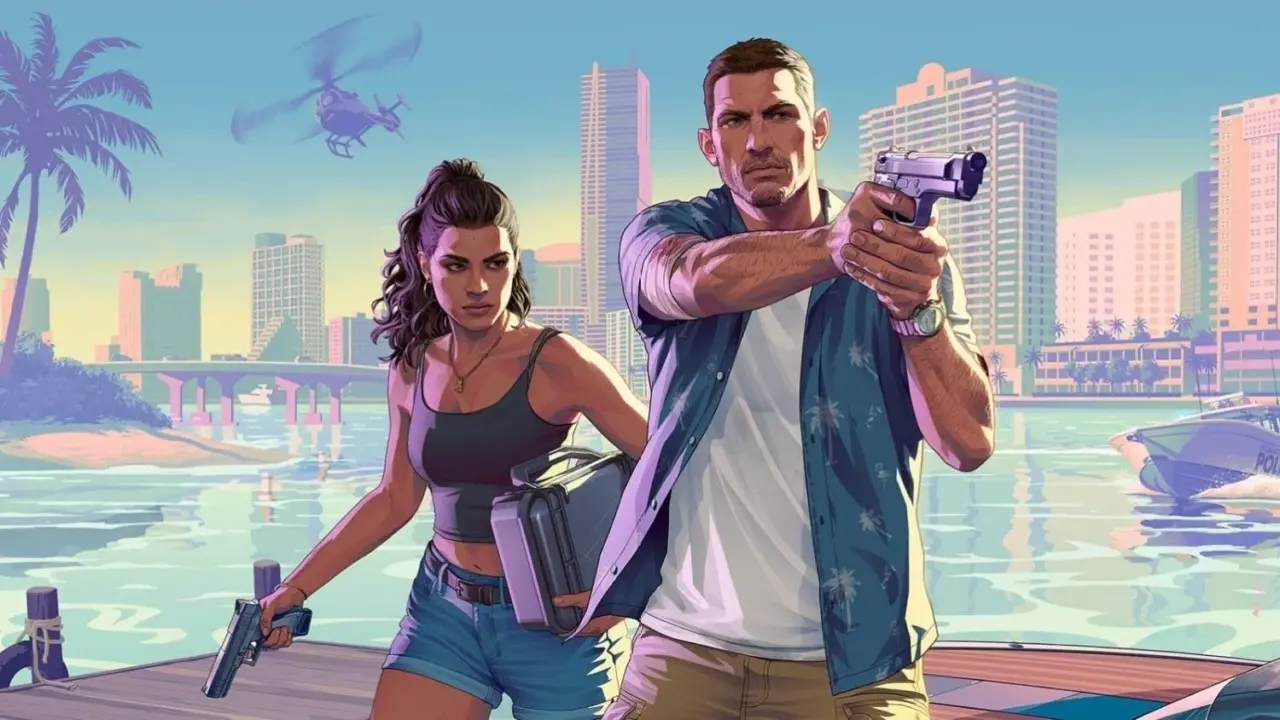
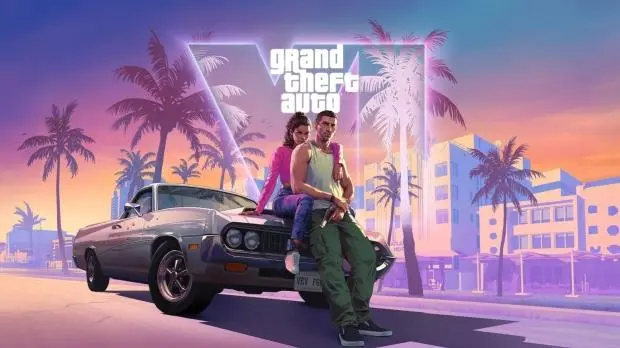
Take-Two's own upcoming title, GTA 6, will launch as a console exclusive with no PC or streaming version. This decision highlights the current limitations of the streaming model for flagship releases. The article notes that underlying hardware costs, such as memory shortages, affect streaming servers just as they do consumer devices. Streaming does not eliminate the need for expensive components in the data centers that power these services.
We looked at Take-Two CEO Strauss Zelnick says AI earlier while tracking Take-two interactive launches. Zelnick's comments suggest a long-term industry pivot toward cloud-based access models. The company continues to support traditional hardware sales while preparing for a streaming future. Players should expect a gradual transition rather than an immediate replacement of physical consoles.
Source: TweakTown