The Federal Communications Commission has expanded its list of restricted imported electronics to include smart power inverters. This regulatory shift targets devices with remote connectivity features due to national security concerns. Homeowners relying on off-grid power systems or emergency backup units should expect immediate supply chain disruptions. The move effectively halts the certification of new imported inverter models that rely on foreign manufacturing.
Regulatory action halts certification for foreign-made connected power units
The restriction focuses on inverters that enable remote firmware updates or wireless communication. Most portable power stations and home battery systems depend on these components for grid-tie functionality. Manufacturers currently source the majority of this hardware from facilities in China. The FCC cites potential risks associated with unauthorized remote access and data surveillance as the primary justification for the ban.
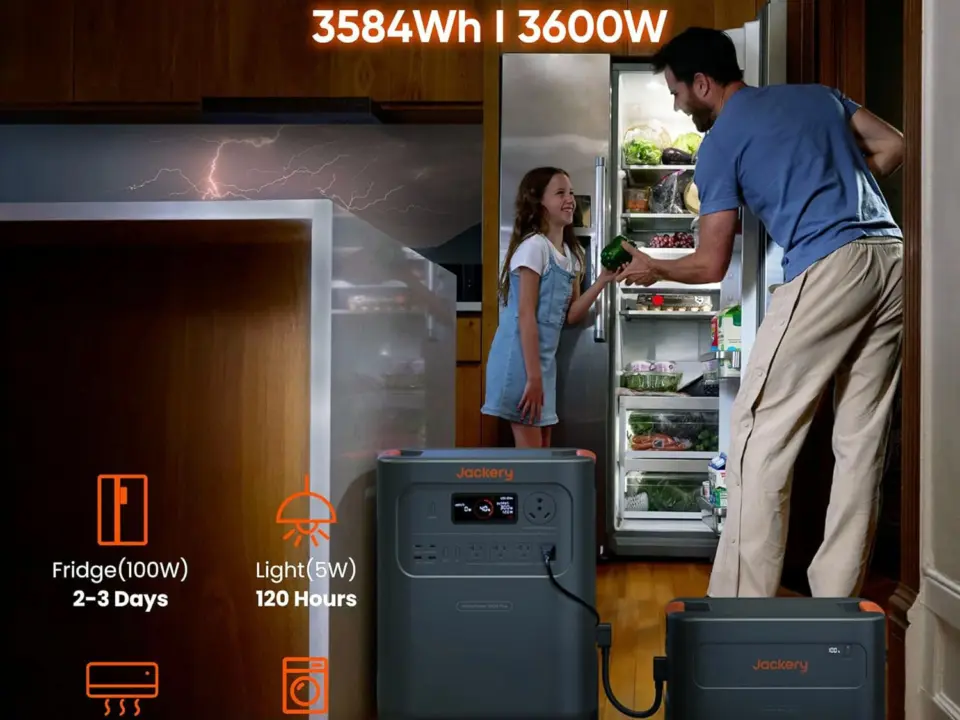
New Bluetooth- and Wi-Fi-enabled power stations will face significant certification hurdles under the updated rules. Companies must now establish compliant domestic supply chains to secure equipment authorizations. The policy blocks new import approvals for non-compliant foreign-made units. Portable energy storage devices that previously relied on imported inverter modules can no longer enter the US market through standard certification paths.
Existing authorized products remain unaffected by the new restrictions. However, the pipeline for new smart home backup units faces potential depletion. The ban targets only newly authorized equipment, leaving current inventory in circulation. Consumers may encounter reduced availability of next-generation smart backup systems as manufacturers adjust their sourcing strategies.
This regulatory action marks a significant tightening of hardware import controls for connected power electronics. The FCC aims to mitigate national security risks by restricting remote access capabilities in critical infrastructure components. The policy effectively shifts the manufacturing base for compliant inverters toward domestic suppliers. Market participants must adapt to these new compliance requirements for future product launches.
Source: NotebookCheck