Sony has filed a patent for a PlayStation 6 controller that removes physical buttons in favor of touch surfaces, a design shift that could fundamentally change how players interact with the next console. This move matters because it challenges the long-standing expectation that console controllers require tactile switches for precision gaming. If implemented, the hardware would force a reevaluation of control schemes that gamers have relied on for decades.
Patent shows touch surfaces replacing physical buttons
The patent application describes a device where traditional inputs like triggers and face buttons are replaced by capacitive touch zones on the controller body. This design relies on the system to interpret finger pressure and position rather than mechanical switches. The concept mirrors touch-based input methods found on other modern gaming handhelds, though applying it to a home console controller presents unique ergonomic hurdles.
Key technical details from the patent suggest the use of advanced haptic feedback to simulate the sensation of pressing a button. The design also proposes hand anchors to help users maintain consistent finger placement on the touch surfaces. These features aim to compensate for the lack of physical travel and tactile confirmation that physical buttons provide during intense gameplay sessions.
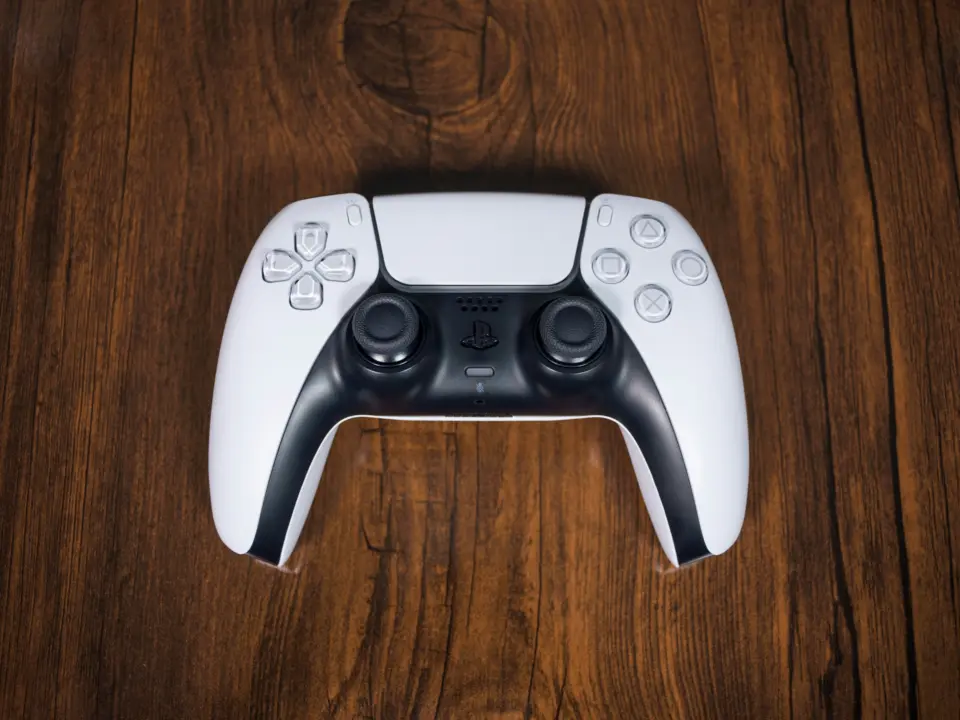
Community reaction to the patent resurfacing on Reddit has been sharply divided, with many users expressing skepticism about the practicality of the design. Critics argue that virtual buttons lack the tactile feedback necessary for competitive gaming and may reduce precision. Some users have stated they would not purchase a console that lacks physical buttons, highlighting a potential divide between design innovation and user preference.
We looked at Sony PS5 Drops Physical Discs in our earlier Sony coverage, noting a pattern of Sony pushing digital and hardware simplification trends. This controller patent fits into that broader strategy of reducing physical components, though hardware design changes often face more scrutiny than software or media format shifts. The patent remains a theoretical design, and there is currently no reason to believe the standard PS6 controller will actually ship without physical buttons.
Sony has not confirmed any plans to release a buttonless controller, and patents do not guarantee commercial products. The company files many patents for concepts that never reach the market, so this design should be viewed as speculative. Until Sony announces official hardware, the PS6 controller will likely retain the physical button layout that defines the current generation.
Source: NotebookCheck