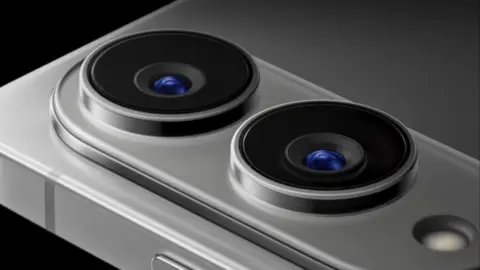
Samsung is exploring silicon-carbon (Si-C) battery technology for the upcoming Galaxy S27 Ultra, a move that could finally break the industry's long-standing energy density ceiling. This shift matters because current flagship smartphones in Europe and the US remain capped at a single-cell limit of approximately 20 Wh, forcing manufacturers to choose between thin designs and short battery life. If Samsung successfully integrates this new chemistry, the S27 Ultra could offer significantly longer runtime without increasing the device's physical bulk. Buyers who prioritize all-day endurance over marginal weight savings will find this potential upgrade highly relevant.
Silicon-carbon cells could push capacity beyond the standard 5,000 mAh limit
The Galaxy S27 Ultra represents Samsung's mainline Android flagship, distinct from its foldable lineup where the new technology has already debuted. Samsung has confirmed the deployment of silicon-carbon batteries in the Galaxy Z Fold 8, Z Fold 8 Ultra, and Z Flip 8. These foldable models demonstrate that the company can manufacture and integrate Si-C cells at scale. The S27 Ultra would be the first upright slab phone to potentially utilize this same advanced power architecture.
Current flagship phones consistently stay at or under the 20 Wh single-cell limit to comply with regional regulations and safety standards. Samsung's projected capacity for the S27 Ultra sits around 5,500 mAh, which would exceed the typical 5,000 mAh range seen in recent iterations. This increase relies on the higher energy density inherent to silicon-carbon chemistry compared to traditional lithium-ion cells. The company must navigate regulatory hurdles in Europe and the US, where single-cell batteries over 20 Wh face strict scrutiny.
Samsung Vice President Moon Sung-hoon of the Mobile Experience division stated that adoption depends on whether the battery actually makes a meaningful difference to the user experience. This cautious stance suggests that Samsung will not rush the technology into every product if the practical benefits are negligible. Earlier reports indicate the company has been actively exploring ways to improve the S27 Ultra's battery capacity. The final implementation will likely depend on balancing these technical gains against consumer feedback and regulatory constraints.
We've been tracking Galaxy S27 Ultra closely — see our earlier coverage on Samsung Galaxy S27 Ultra and S27 Pro. The S27 Ultra remains a rumor at this stage, with no confirmed pricing or availability dates. Samsung has not officially verified the 5,500 mAh capacity or the inclusion of Si-C batteries for this specific model. The technology is currently confirmed only for the Galaxy Z series, leaving the S27 Ultra's final specifications uncertain until launch.
Source: GIZMOCHINA