Valve now considers its Steam Machine hardware a commercial success just one month after launch. This shift in internal stance matters because it signals the company is doubling down on its custom Linux-based gaming ecosystem rather than treating the device as a failed experiment. Buyers interested in dedicated PC gaming consoles should note that the project has moved from speculative niche product to confirmed strategic priority.
All initial inventory cleared as Valve doubles down on Linux gaming ecosystem
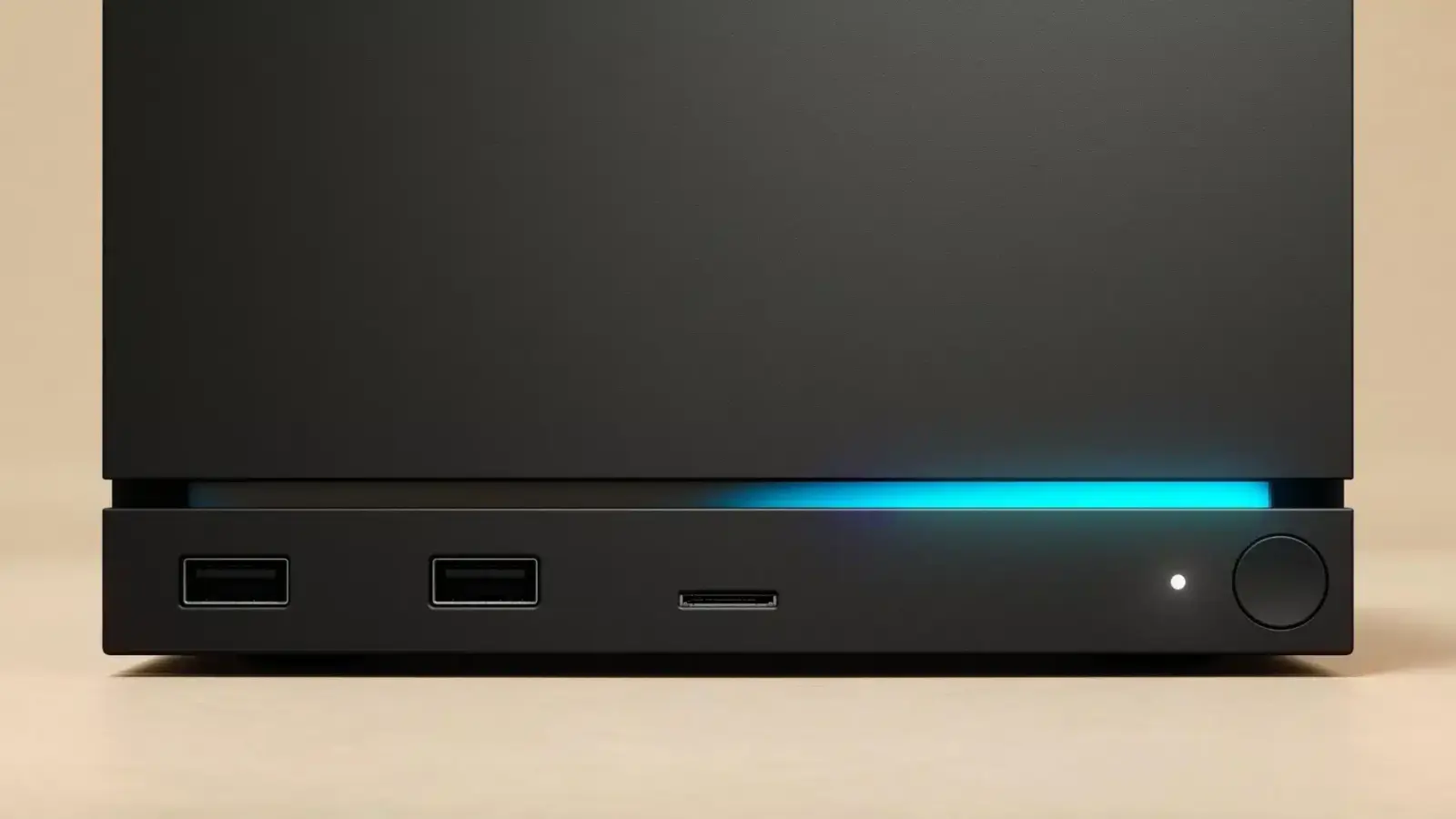
The Steam Machine serves as a compact gaming PC designed to run SteamOS. It targets users who want a console-like experience on PC hardware without relying on Windows. The device represents Valve's long-term effort to bring Linux gaming to the mainstream living room.
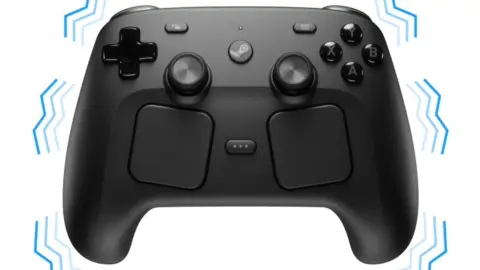
The base model features 512 GB of storage and ships with a dedicated controller. Bloomberg journalist Jason Schreier reports that Valve has sold every available unit to customers on the waiting list. The initial price for this configuration was $1,128.
Valve's definition of success for this hardware differs from traditional console metrics. The company aims to strengthen the PC gaming ecosystem and expand SteamOS adoption rather than competing directly with PlayStation or Xbox on sales volume. Jason Schreier stated, "I think this thing has proven to be a success for them. And that is because Valve’s goal here is not necessarily to make this hardware that sells millions and millions of units and competes with the PlayStation and the Xbox."
The project traces its origins to 2012 when Valve began exploring Linux-based alternatives to Windows. We've been tracking Steam Machine closely — see our earlier coverage on Valve Steam Machine Red Line of Death. The immediate sellout suggests strong initial demand from early adopters willing to buy into the platform.
Source: MP1ST