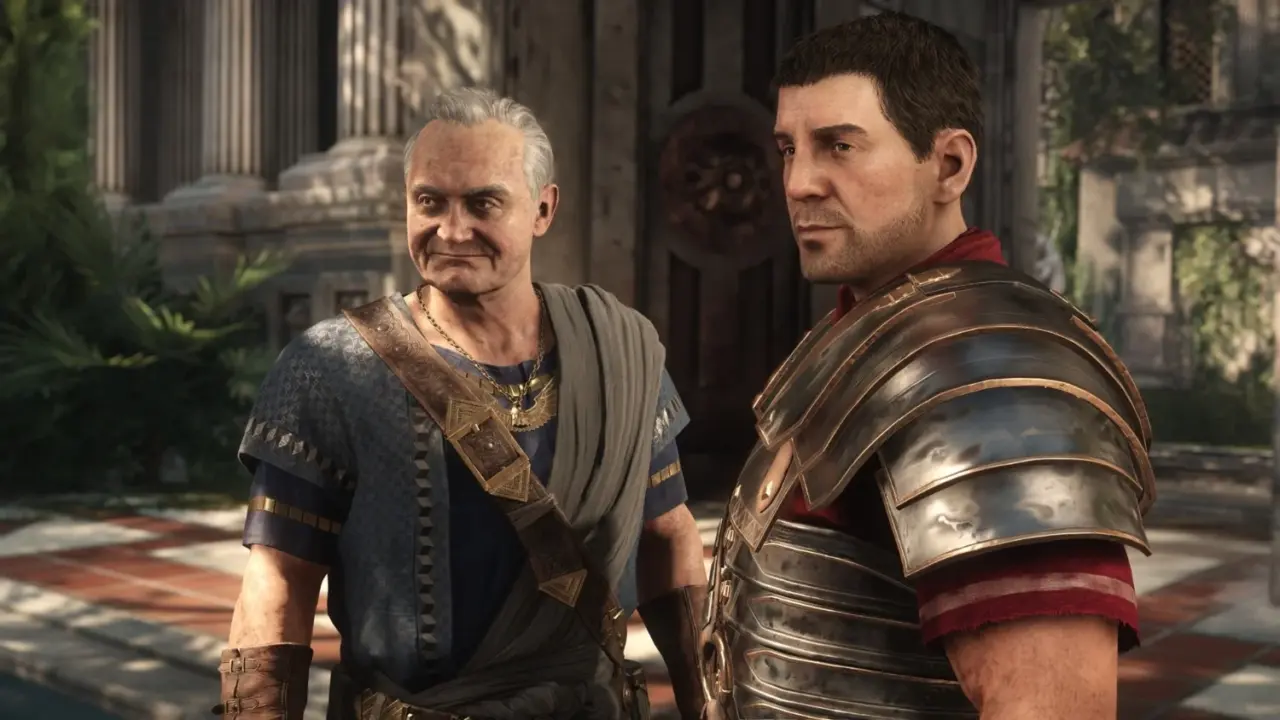
Xbox players hoping for a historical epic rivaling Assassin's Creed never got the full picture. The original Ryse: Son of Rome launched in 2013 as a cinematic action title, but it was always meant to be the foundation of a much larger series. That ambition has now been brought to light through recent reports from former developers.
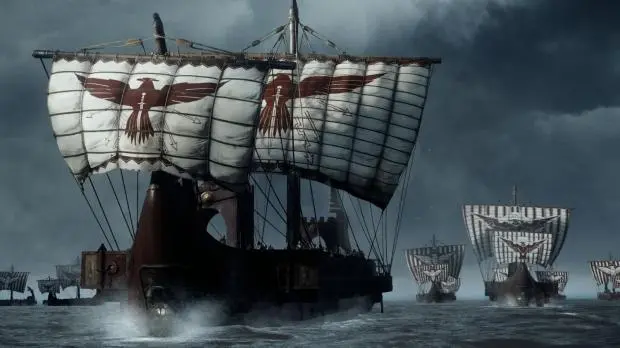
Former developers reveal planned Viking and Japan eras that never launched
Crytek designed the franchise to compete directly with Ubisoft's Assassin's Creed series. The studio planned to expand the historical scope far beyond the initial Roman setting. Former staff revealed that the roadmap included distinct eras such as Viking-era Europe, feudal Japan, and the Ottoman Empire.
The sequel concepts marked a significant shift in gameplay design. Developers moved away from the linear, corridor-style levels of the first game. The planned entries would have featured semi-open structures, player-versus-player modes, and vehicle sections to broaden the appeal.
Commercial and critical results ultimately halted the project. The launch title sold over one million copies but received mixed reviews, averaging around 60 on Metacritic. This performance failed to justify the continued investment required for a multi-era franchise.
The rights dispute between Crytek and Microsoft sealed the franchise's fate. Crytek refused to sell the intellectual property outright, while Microsoft would not fund further development without owning the rights. This standoff prevented any official continuation of the series.
Microsoft is currently navigating significant internal restructuring and potential studio closures. These corporate shifts underscore the unstable conditions that affect major game franchises. The halted Ryse project illustrates how intellectual property rights and financial viability influence game development.
Source: Ryse, TweakTown