Smartphone buyers waiting for faster memory and better battery life have a concrete timeline to watch. SK Hynix confirmed it will begin mass producing LPDDR6 memory in the second half of 2026. This shift matters because next-generation flagship phones will rely on this chip to handle heavier workloads without draining batteries as quickly.
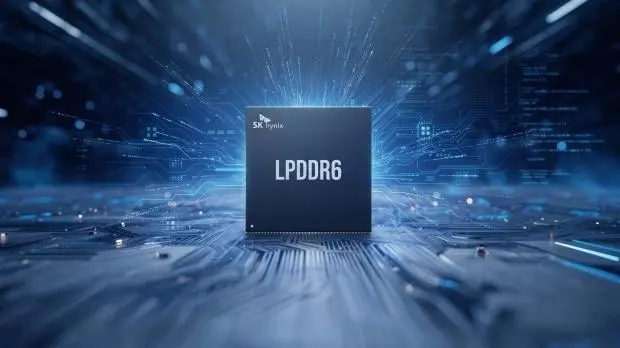
Next-gen smartphone memory brings faster speeds and better battery life
The new LPDDR6 standard runs on SK Hynix's sixth-generation 10nm-class process, which the company calls the 1c node. This manufacturing node allows the memory to push data at speeds up to 14.4 Gbps. That speed represents a 33 percent jump over the 10.7 Gbps ceiling of the current LPDDR5X standard.
Specifications
- Process Node: 10nm-class (1c)
- Data Transfer Speed: 14.4 Gbps
- Power Efficiency: Over 20% improvement
- Mass Production: Second half of 2026
- First Customer: Xiaomi
SK Hynix designed the chip to cut power consumption by more than 20 percent compared to previous generations. The company achieves this efficiency through a new sub-channel structure and Dynamic Voltage and Frequency Scaling technology. These technical changes help devices maintain performance while extending usage time between charges.
Xiaomi is expected to become the first customer to ship devices using this new memory. The Chinese manufacturer plans to integrate LPDDR6 into its upcoming flagship smartphone. Oppo and Vivo are reportedly next in line to adopt the technology in their own high-end devices.
We have been tracking LPDDR6 closely and previously covered how the Qualcomm Snapdragon 8 Elite Gen 6 will also feature an LPDDR6 Pro variant. Samsung has independently announced its own LPDDR6 chips based on a different 1b process node. SK Hynix remains focused on its 1c node production schedule for the second half of 2026.
Source: TweakTown