AMD NBA 2K27 DLSS 5 Benchmarks Show 60% Performance Hit on RTX 5090 GAMES FromSoftware Avoids Fixed Game Formula, Miyazaki Says Fresh Ideas Rule ACCESSORIES Sony GTA 6 DualSense Controllers Launch November 19 for $85 CONSOLES Final Fantasy Resonance Brings HD-2D to PS5, Xbox, Switch 2, PC NINTENDO SWITCH 2 Maneater 2 Announced for PS5, Xbox Series, Switch 2, and PC GAMES Arma Reforger Update 1.080.013 Fixes Crashes and Visual Glitches PLAYSTATION 5 GTA 6 Netflix Deep Dive Drives 33% PS5 and 34% Xbox Sales in UK PLAYSTATION 5 Konami’s Rev. NOiR RPG Confirmed for PlayStation 5 in 2027 PLAYSTATION 5 Gundam Rogue Orbit Sets March 5, 2027 Launch for PS5, Xbox, PC CONSOLES Vampire Survivors Hotfix Fixes Glitches on Consoles PLAYSTATION 5 PS5 and Xbox Sales Jump Over 30% After GTA 6 Reveal AMD Minisforum UM750 Neo Mini PC Launches With AMD Ryzen Z1 for $463 GAMES Marvel Rivals Patch 1.71 Adds X-Men ’97 Bundles and Fixes Psylocke AYN ODIN AYN Odin 3 Triple-Boot Setup Combines Android, Armada, and ROCKNIX

Samsung Exec Predicts Memory Crisis Ends by Late 2027

Owen Carter 1 min read

A former Samsung executive predicts the memory chip crisis will end by late 2027, driven by a surge in Chinese manufacturing that could stabilize pricing and alleviate shortages.

Samsung Exec Predicts Memory Crisis Ends by Late 2027
PC HARDWARE

Samsung Electronics executive Kyung Kye-hyun predicts the global memory chip shortage may conclude by the second half of 2027. He attributes this potential resolution to a significant expansion in Chinese manufacturing capacity for memory components.

Kyung Kye-hyun cites rising Chinese manufacturing capacity as the primary driver for resolving the global shortage and stabilizing prices.

The expected increase in production from China could flood the market with additional chips, which would alleviate current shortages and stabilize pricing for consumers. This surge in supply represents a major shift in the semiconductor industry landscape.
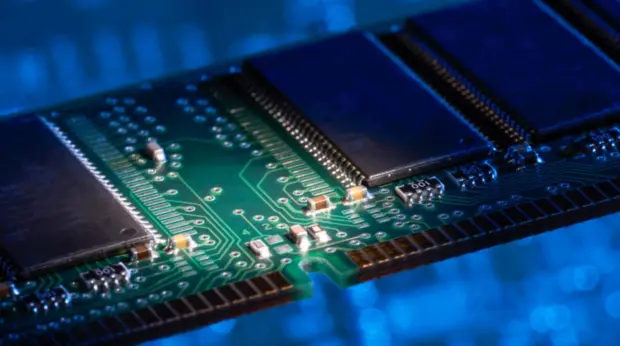
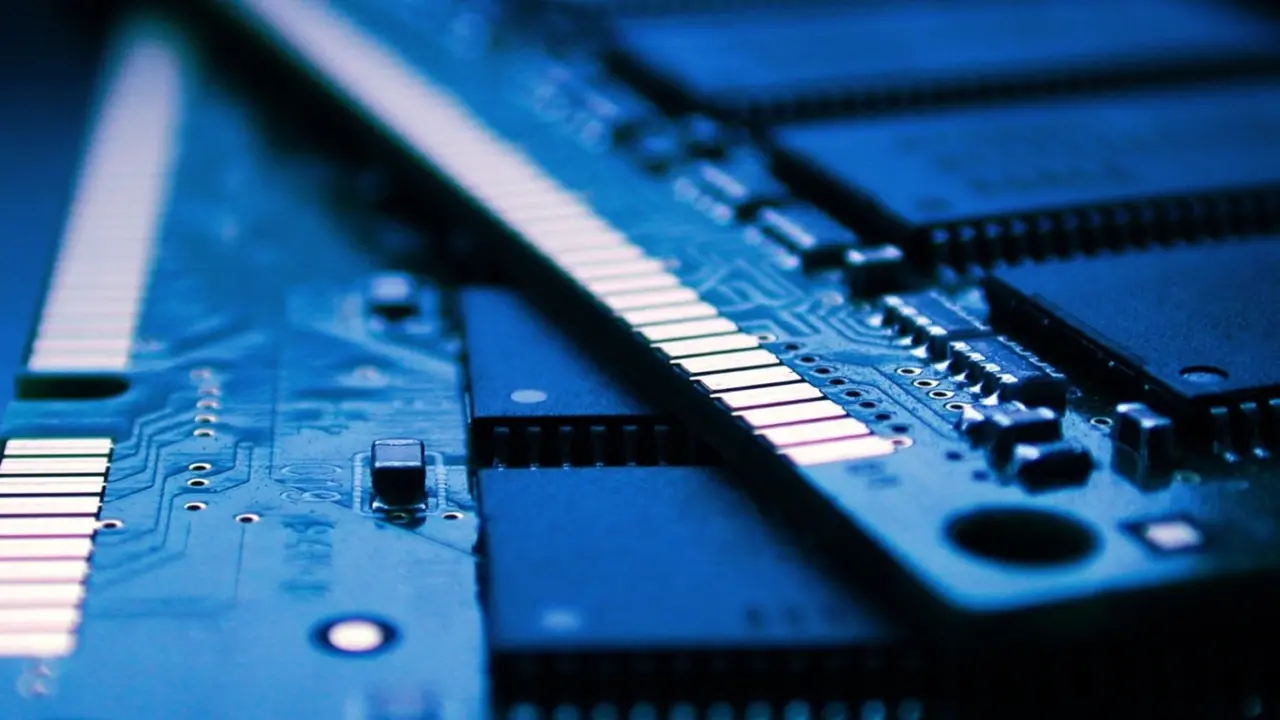
Samsung Electronics memory chip manufacturing facility expansion

Kyung also theorized that artificial intelligence companies might slow their demand for hardware upgrades if they fail to achieve positive returns on investment. A lack of profitability could reduce the pressure on memory chip manufacturers from the AI sector.

Some analysts forecast a potential downturn in memory prices and demand after 2028, though this depends on numerous moving factors including AI adoption rates. The long-term market trajectory remains uncertain amid these competing forces.

Source: TweakTown