Initial PC performance benchmarks for five upcoming titles reveal how the hardware handles modern rendering techniques. The data covers frame rates across different games and settings, highlighting both strengths and current software issues.
Early benchmarks reveal frame rates and rendering behavior across five upcoming titles on the latest hardware.
The testing environment uses an RTX 5090 graphics card to evaluate native 4K performance. The review spans five distinct demos that utilize varying upscaling technologies like DLSS 4, FSR 4.1, TSR, and AMD FSR 3.1.
The Sinking City 2 demo runs between 50 and 62 FPS on Quality settings at Native 4K while supporting DLSS 4 and FSR 4.1. The 1666 Amsterdam demo achieves 54 to 65 FPS at 4K Epic settings using TSR, though the build suffers from severe mouse acceleration issues.
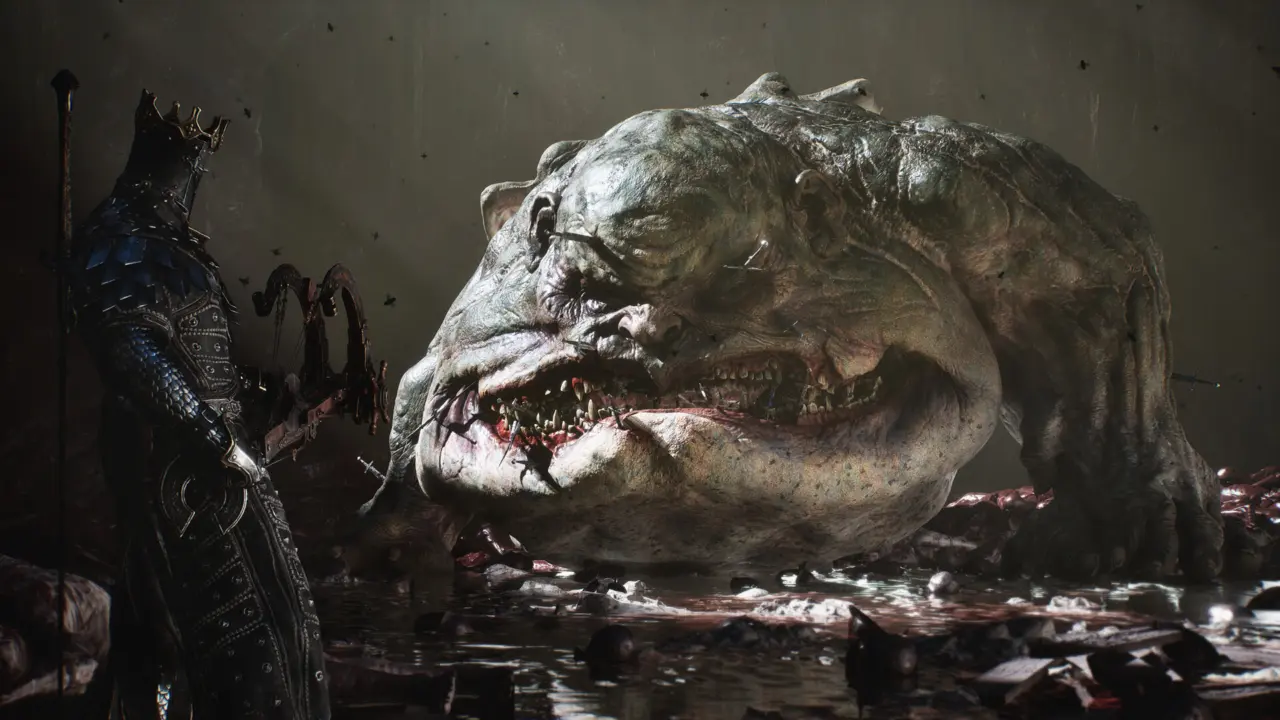
Valor Mortis delivers between 52 and 84 FPS at Native 4K with Epic settings enabled through AMD FSR 3.1. Frame Generation remains non-functional during this specific testing phase. Mortal Shell 2 pushes over 90 FPS on Very High settings, but Ray Tracing appears broken and traversal stutters persist throughout the demo.
Onimusha: Way of the Sword hits a minimum of 119 FPS with Max settings or drops to 98 FPS when Ray Tracing is active. The tested components maintained stable performance under heavy loads during the benchmarks.
These benchmarks provide early visibility into how next-generation GPUs manage complex lighting and upscaling pipelines. The results show varying degrees of optimization across different engines and rendering stacks.