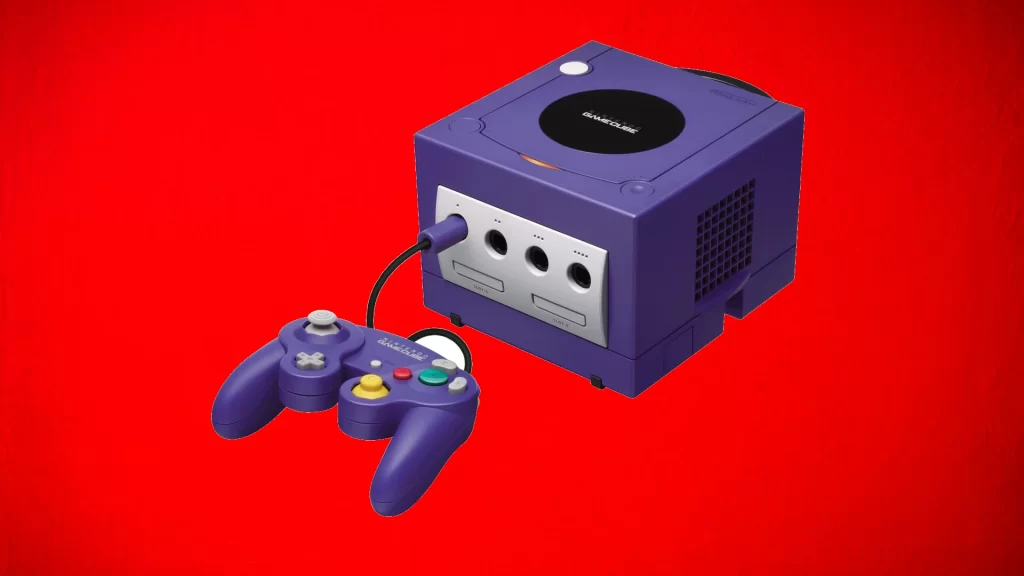
Nintendo changed its hardware strategy after the GameCube failed to gain strong market traction. This strategic change explains the transition from high-performance specifications to motion controls and broader accessibility. Those interested in console history now have a clear view of how past performance issues shaped future designs.
Executive confirms hardware pivot followed consumer demand
The Nintendo Wii and Nintendo DS emerged as direct responses to the GameCube's commercial limitations. Shigeru Miyamoto stated that the poor sales performance of the GameCube inspired this new direction. The narrative frames these two devices as strategic corrections rather than isolated product launches.
Miyamoto aligns with former president Satoru Iwata on the assessment that the GameCube's market reception was insufficient. Their shared perspective suggests that hardware direction should follow consumer demand rather than technical ambition alone. This alignment underscores the internal consensus that drove the pivot to the Wii and DS.
The strategic shift prioritized reaching a wider audience over competing on raw processing power. Nintendo focused on innovative input methods and portable gameplay to differentiate its offerings. This approach redefined the company's identity in the console market for years to come.
Source: Insider Gaming